Recommended health screenings for seniors
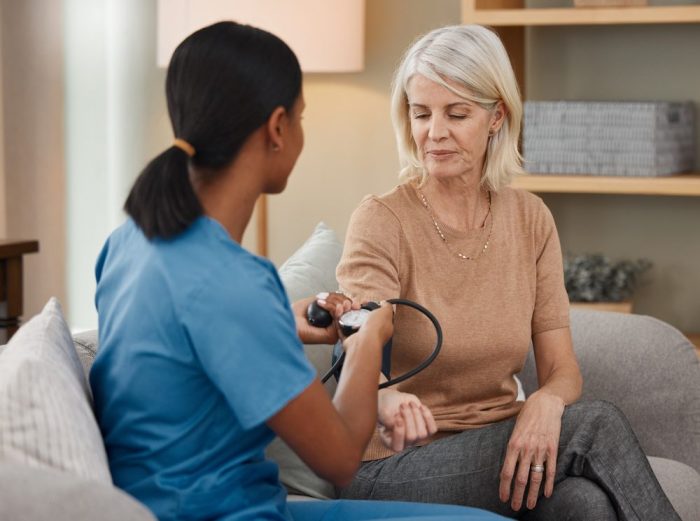
Regular health screenings are essential for seniors to detect any potential health issues early on. These screenings can help in preventing diseases or managing them effectively. Here are some common health screenings recommended for seniors:
Blood Pressure Screening
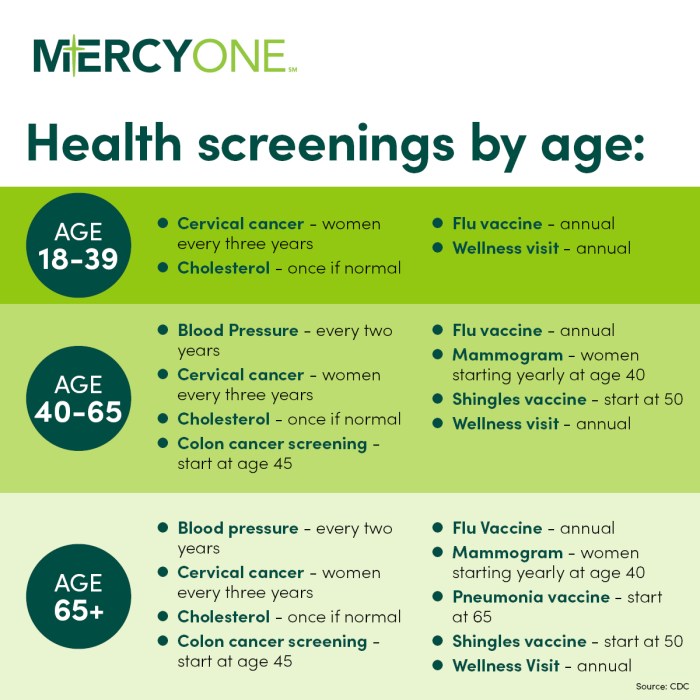
Regular blood pressure screenings are crucial for seniors as high blood pressure can lead to serious health issues like heart disease and stroke. Seniors should have their blood pressure checked at least once a year.
Cholesterol Screening
Cholesterol levels should be monitored regularly to prevent heart disease. Seniors should have their cholesterol levels checked every 4-6 years, or more frequently if they have risk factors.
Bone Density Screening
Seniors, especially women, should undergo bone density screenings to detect osteoporosis early. The frequency of these screenings will depend on the individual’s risk factors and previous results.
Colonoscopy
Regular colonoscopies are recommended for seniors to screen for colorectal cancer. The frequency of colonoscopies will depend on the individual’s age and risk factors.
Eye and Hearing Tests
Seniors should have their eyes and hearing checked regularly to detect any issues early on and prevent further complications. Eye exams should be done annually, while hearing tests can be done every 3 years.
These preventive health screenings can help seniors maintain their well-being and ensure early detection of any potential health problems. It is important for seniors to follow their healthcare provider’s recommendations and stay proactive about their health.
Stress Management
Stress management is crucial for seniors to maintain their overall health and well-being. As we age, our bodies may become more susceptible to the negative effects of stress, making it essential to incorporate stress-reducing activities into our daily routines.
Effective Stress Management Techniques
- Practice relaxation techniques such as deep breathing exercises or progressive muscle relaxation to calm the mind and body.
- Engage in physical activities like walking, gentle yoga, or tai chi to release endorphins and reduce stress levels.
- Connect with friends, family, or support groups to share your feelings and experiences, fostering a sense of belonging and reducing feelings of isolation.
Impact of Stress on Senior Health
- Chronic stress can weaken the immune system, making seniors more susceptible to illnesses and infections.
- High levels of stress can exacerbate existing health conditions such as hypertension, diabetes, or heart disease.
- Stress can also contribute to cognitive decline and memory problems in older adults.
Benefits of Stress Reduction Activities
- Meditation, yoga, or mindfulness practices can help seniors relax, improve focus, and enhance emotional well-being.
- Reducing stress levels can lead to better sleep quality, improved digestion, and increased energy levels.
- Engaging in stress-reduction activities may also lower blood pressure and reduce the risk of heart disease.
Creating a Stress-Free Environment
- Establish a daily routine that includes time for relaxation, hobbies, and activities that bring joy.
- Ensure a comfortable and clutter-free living space to promote a sense of calm and peace.
- Avoid overcommitting to obligations or responsibilities, and learn to say no when necessary to prioritize self-care.
Healthy Lifestyle
Maintaining a healthy lifestyle is crucial for seniors to enhance their overall well-being and quality of life. Proper nutrition, regular exercise, and strong social connections play a significant role in promoting a healthy lifestyle for older adults.
Proper Nutrition
Recommended health screenings for seniors – Proper nutrition is essential for seniors to support their immune system, maintain muscle mass, and prevent chronic diseases. It is important for seniors to consume a balanced diet rich in fruits, vegetables, whole grains, lean proteins, and healthy fats. Encouraging the intake of vitamins and minerals through a variety of foods can help seniors meet their nutritional needs.
Regular Exercise
Regular exercise is key to maintaining strength, flexibility, and cardiovascular health in seniors. Engaging in activities such as walking, swimming, yoga, or tai chi can help improve balance, reduce the risk of falls, and boost overall physical well-being. It is recommended for seniors to aim for at least 150 minutes of moderate-intensity exercise per week.
Social Connections
Strong social connections are important for seniors to combat feelings of loneliness and isolation. Maintaining relationships with friends, family members, or participating in community activities can help improve mental health and emotional well-being. Seniors should prioritize staying connected with others to enhance their overall quality of life.
Healthy Habits
- Stay hydrated by drinking an adequate amount of water throughout the day.
- Avoid smoking and limit alcohol consumption to promote better health outcomes.
- Get regular check-ups and screenings to monitor health status and address any concerns promptly.
- Aim for quality sleep by establishing a consistent bedtime routine and creating a comfortable sleep environment.
Maintaining a Balanced and Active Lifestyle
Seniors can maintain a balanced and active lifestyle by incorporating a variety of activities into their daily routine. This may include engaging in hobbies, volunteering, participating in group fitness classes, or joining social clubs. By staying physically active, mentally stimulated, and socially connected, seniors can lead a fulfilling and healthy lifestyle in their older age.
Medical Innovations: Recommended Health Screenings For Seniors
In recent years, there have been remarkable advancements in medical innovations that have significantly benefited senior health. Technology has played a crucial role in improving healthcare for the elderly population, leading to the development of treatments, devices, and therapies specifically designed to enhance the quality of life for seniors.
Telemedicine
Telemedicine has revolutionized healthcare delivery for seniors by allowing remote consultations with healthcare providers through video calls or phone calls. This technology enables seniors to access medical advice and treatment without leaving the comfort of their homes, reducing the need for frequent hospital visits.
Wearable Health Devices
Wearable health devices, such as smartwatches and fitness trackers, have become increasingly popular among seniors. These devices can monitor vital signs, activity levels, and sleep patterns, providing valuable health data that can help seniors and their healthcare providers make informed decisions about their well-being.
Robotic Assistance
Robotic assistance devices are being developed to help seniors with daily tasks and mobility issues. From robotic exoskeletons to assist with walking to robotic companions for social interaction, these innovations aim to improve independence and quality of life for seniors.
Personalized Medicine
Advancements in genetic testing and personalized medicine have allowed healthcare providers to tailor treatment plans to individual seniors based on their genetic makeup. This personalized approach can lead to more effective treatments with fewer side effects, ultimately improving the overall health outcomes for seniors.
Nutritional Supplements
As seniors age, their nutritional needs may change, and incorporating supplements into their diet can play a crucial role in supporting their overall health and well-being.
Common Supplements for Seniors, Recommended health screenings for seniors
- Vitamin D: Essential for bone health and immune function, especially important for older adults who may have limited sun exposure.
- Calcium: Important for maintaining bone density and strength, reducing the risk of fractures and osteoporosis.
- Vitamin B12: Helps with nerve function, red blood cell production, and energy levels, as absorption may decrease with age.
Choosing High-Quality Supplements
- Look for supplements with third-party testing certifications to ensure quality and purity.
- Consult with a healthcare provider or nutritionist to determine the appropriate dosage and form of supplements for individual needs.
- Consider supplements from reputable brands known for their commitment to quality and transparency in ingredients.
Risks and Benefits of Supplement Use in Seniors
- Benefits: Supplements can help fill nutritional gaps, support healthy aging, and improve overall well-being when used appropriately.
- Risks: Overconsumption of certain supplements can lead to adverse effects or interactions with medications, emphasizing the importance of moderation and informed choices.
Fitness Routine
Regular physical activity is crucial for seniors to maintain their overall health and well-being. Staying active and following a fitness routine can help improve strength, flexibility, balance, and even mental health in older age. It is important to incorporate suitable exercises into a senior’s daily routine to ensure they can continue to live an independent and fulfilling life.
Importance of Staying Active
- Regular exercise can help improve cardiovascular health, reduce the risk of chronic diseases, such as diabetes and osteoporosis, and enhance overall quality of life.
- Engaging in physical activity can also boost mood, reduce stress, and improve cognitive function, helping seniors maintain their mental acuity as they age.
- By maintaining a fitness routine, older adults can preserve muscle mass, prevent falls, and maintain their independence for longer.
Suitable Exercises for Seniors
- Strength Training: Incorporate exercises using light weights, resistance bands, or body weight to improve muscle strength and prevent muscle loss.
- Flexibility Exercises: Include stretching exercises to improve flexibility and range of motion, reducing the risk of injuries and improving posture.
- Balance Exercises: Practice exercises like standing on one leg, heel-to-toe walk, or Tai Chi to enhance balance and prevent falls.
Creating a Personalized Fitness Plan
- Consult with a healthcare provider or a fitness professional to create a personalized fitness plan tailored to individual needs, abilities, and health conditions.
- Set specific goals, incorporate a variety of exercises, and gradually increase intensity to challenge the body and see progress over time.
- Include a combination of aerobic, strength, flexibility, and balance exercises to ensure a well-rounded fitness routine.
Examples of Low-Impact Exercises
- Walking: A simple and effective low-impact exercise that can be done indoors or outdoors to improve cardiovascular health and boost mood.
- Swimming: A gentle exercise that is easy on the joints, improves muscle strength, and provides a full-body workout.
- Cycling: An excellent low-impact exercise that can be done on a stationary bike or outdoors to improve leg strength and cardiovascular fitness.
Disease Prevention
As seniors age, disease prevention becomes crucial to maintaining their overall health and well-being. By implementing strategies to prevent common age-related diseases, older adults can improve their quality of life and reduce the risk of complications.
Common Age-Related Diseases and Prevention
Older adults are more susceptible to age-related diseases such as heart disease, diabetes, osteoporosis, and certain types of cancer. To reduce the risk of developing these conditions, seniors can take proactive steps such as:
- Engaging in regular physical activity to maintain a healthy weight and strengthen the body.
- Following a balanced diet rich in fruits, vegetables, whole grains, and lean protein.
- Getting regular health screenings and check-ups to detect any potential health issues early.
- Quitting smoking and limiting alcohol consumption to reduce the risk of cardiovascular diseases and certain cancers.
Vaccinations for Seniors
Vaccinations play a crucial role in disease prevention for older adults by boosting immunity against common infections and diseases. Some important vaccinations for seniors include:
- Annual flu shot to protect against seasonal influenza.
- Pneumococcal vaccine to prevent pneumonia and other respiratory infections.
- Shingles vaccine to reduce the risk of developing shingles and post-herpetic neuralgia.
Managing Chronic Conditions
Seniors with chronic conditions such as hypertension, diabetes, and arthritis can prevent complications by effectively managing their conditions. Some tips for managing chronic conditions include:
- Adhering to prescribed medications and treatment plans as directed by healthcare providers.
- Maintaining regular follow-up appointments to monitor disease progression and make necessary adjustments to treatment.
- Adopting healthy lifestyle habits such as regular exercise, stress management, and adequate sleep to improve overall health.
Sleep Hygiene
Good sleep hygiene is crucial for seniors’ overall health as it plays a vital role in maintaining cognitive function, emotional well-being, and physical health. As we age, our sleep patterns tend to change, with many seniors experiencing difficulty falling asleep, staying asleep, or waking up too early. Poor sleep can lead to a variety of health issues, including increased risk of chronic conditions such as heart disease, diabetes, and depression.
Tips for Improving Sleep Quality
- Avoid caffeine and heavy meals close to bedtime.
- Establish a consistent sleep schedule by going to bed and waking up at the same time every day.
- Create a relaxing bedtime routine to signal your body that it’s time to wind down.
- Ensure your sleep environment is comfortable, cool, dark, and quiet.
- Avoid using electronic devices before bed as the blue light can interfere with melatonin production.
Creating a Sleep-Conducive Environment
Seniors should prioritize creating a sleep-conducive environment to promote better sleep quality. This includes investing in a comfortable mattress and pillows, blocking out noise with earplugs or white noise machines, and controlling room temperature to ensure it’s neither too hot nor too cold. Additionally, using blackout curtains to eliminate light disturbances can help seniors achieve a more restful night’s sleep.
Mental Clarity
Maintaining mental clarity and cognitive function is crucial for seniors to lead a healthy and fulfilling life. As we age, it’s important to find ways to keep our minds sharp and active. In this section, we will explore various strategies to promote mental clarity and brain health in older adults.
Importance of Mental Stimulation
Mental stimulation is key to maintaining cognitive function in seniors. Engaging in activities that challenge the brain can help improve memory, focus, and overall cognitive abilities. By staying mentally active, seniors can reduce the risk of cognitive decline and keep their minds sharp.
Social Engagement
Interacting with others and participating in social activities can also contribute to mental clarity. Social engagement helps seniors stay connected, ward off feelings of isolation, and stimulate the brain through conversations and social interactions.
Brain Exercises
Regularly engaging in brain exercises and puzzles can help seniors improve cognitive function and enhance memory retention. Activities like crossword puzzles, Sudoku, and memory games can provide mental challenges and keep the brain active.
Preventing Cognitive Decline
There are several lifestyle changes that can help prevent cognitive decline in seniors. Eating a healthy diet rich in antioxidants, staying physically active, getting enough sleep, and managing stress are all important factors in maintaining brain health. Additionally, staying intellectually curious and continuously learning new things can also help prevent cognitive decline.
Hydration Importance
Proper hydration is crucial for seniors to maintain their overall health and well-being. As we age, our bodies undergo changes that can impact hydration levels, making older adults more susceptible to dehydration.
Aging Effects on Hydration
As we get older, our bodies have a reduced ability to conserve water and regulate fluid balance. This can lead to a decreased sensation of thirst, making seniors less likely to drink an adequate amount of fluids. Additionally, aging can affect kidney function, which plays a key role in maintaining proper hydration levels.
- Seniors may experience a decrease in total body water percentage, making them more prone to dehydration.
- Changes in skin elasticity and sweat gland function can affect the body’s ability to cool down, increasing the risk of dehydration.
Tips for Staying Hydrated
To ensure seniors stay properly hydrated, it is important to:
- Encourage regular fluid intake throughout the day, even if they do not feel thirsty.
- Offer a variety of beverages such as water, herbal teas, and low-sugar juices to increase fluid consumption.
- Monitor urine color – pale yellow to clear urine indicates good hydration.
- Include hydrating foods in their diet, such as fruits and vegetables with high water content.
Recognizing Dehydration Signs
It is essential to be aware of the signs of dehydration in seniors, which may include:
- Dry mouth and lips
- Dark urine color
- Dizziness or lightheadedness
- Confusion or irritability
Ensuring Adequate Fluid Intake
To help seniors maintain proper hydration levels, caregivers can:
- Set reminders for regular fluid intake throughout the day.
- Provide easy access to liquids by keeping water bottles or cups within reach.
- Encourage seniors to drink fluids with meals and snacks to increase overall intake.
FAQ
How often should seniors undergo health screenings?
Seniors should follow their healthcare provider’s recommendations, but generally, annual screenings are advised to monitor their health proactively.
What are some preventive health screenings for seniors?
Common preventive screenings for seniors include blood pressure checks, cholesterol tests, mammograms, colonoscopies, and bone density scans.
How do nutritional supplements support senior health?
Nutritional supplements can help fill in nutrient gaps in a senior’s diet, especially when certain vitamins or minerals are lacking in their regular meals.