Benefits of HIIT workouts for fitness routines: Improve Cardiovascular Health, Burn Calories, Increase Metabolism, Enhance Muscle Strength

Benefits of HIIT workouts for fitness routines

Benefits of HIIT Workouts for Fitness Routines

High-Intensity Interval Training (HIIT) offers a wide range of benefits for individuals looking to improve their overall fitness levels and achieve their health goals. Let’s delve into some of the key advantages of incorporating HIIT workouts into your fitness routine.

Improved Cardiovascular Health

HIIT workouts are known for their ability to significantly enhance cardiovascular health. The intense bursts of exercise followed by short periods of rest help to strengthen the heart and improve its efficiency. This can lead to a reduced risk of heart disease, lower blood pressure, and improved overall cardiovascular function.

Effective Calorie Burning and Weight Loss

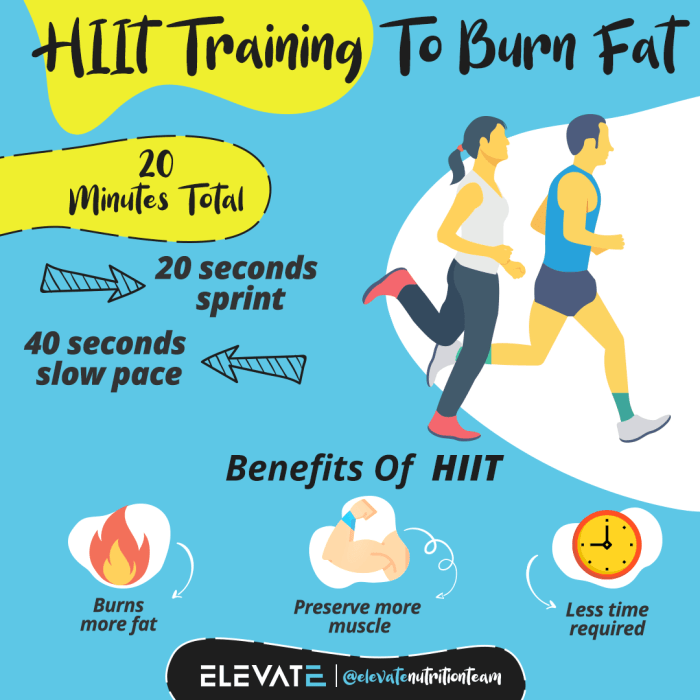
One of the most appealing aspects of HIIT is its effectiveness in burning calories and promoting weight loss. The high-intensity nature of the workouts allows individuals to burn a large number of calories in a shorter amount of time compared to traditional steady-state cardio exercises. This can help individuals achieve their weight loss goals more efficiently.

Increased Metabolism and Fat Loss

HIIT has been shown to increase metabolism not only during the workout but also for hours after the session has ended. This is known as the “afterburn effect” or excess post-exercise oxygen consumption (EPOC), where the body continues to burn calories at an elevated rate to recover from the intense workout. Additionally, HIIT can target stubborn fat stores, making it an effective method for promoting fat loss.

Enhanced Muscle Strength and Endurance

Incorporating HIIT workouts into your fitness routine can also help improve muscle strength and endurance. The combination of intense bursts of exercise with short recovery periods helps to challenge the muscles and stimulate growth. Over time, this can lead to increased muscle strength, endurance, and overall athletic performance.

These are just a few of the many benefits that HIIT workouts can offer for individuals looking to optimize their fitness routines and achieve their health and wellness goals.

Stress Management

Regular HIIT workouts can be highly effective in reducing stress levels and improving overall mental well-being. The intense bursts of activity followed by short rest periods in HIIT sessions can help release pent-up tension and provide a sense of accomplishment, leading to reduced stress and anxiety.

Relationship Between HIIT and Stress Reduction

  • HIIT workouts can help distract the mind from daily stressors by focusing on the physical intensity of the exercises.
  • The endorphins released during HIIT can act as natural mood elevators, promoting a sense of well-being and relaxation.
  • Engaging in HIIT can also improve sleep quality, which is essential for stress management and overall mental health.

Role of Endorphins in Managing Stress

  • Endorphins, often referred to as ‘feel-good’ hormones, are released during HIIT workouts, acting as natural painkillers and stress relievers.
  • These endorphins can help combat the effects of stress hormones like cortisol, promoting a more balanced emotional state.
  • Regular HIIT sessions can contribute to a more positive outlook on life and increased resilience to stressors.

HIIT Exercises for Stress Relief

  • High Knees: Performing high knees at a fast pace can help elevate heart rate and release endorphins, reducing stress levels.
  • Burpees: The combination of strength and cardio in burpees can offer a full-body workout and a release of tension, aiding in stress management.
  • Mountain Climbers: This dynamic exercise engages multiple muscle groups and boosts endorphin production, promoting stress relief.

Healthy Lifestyle
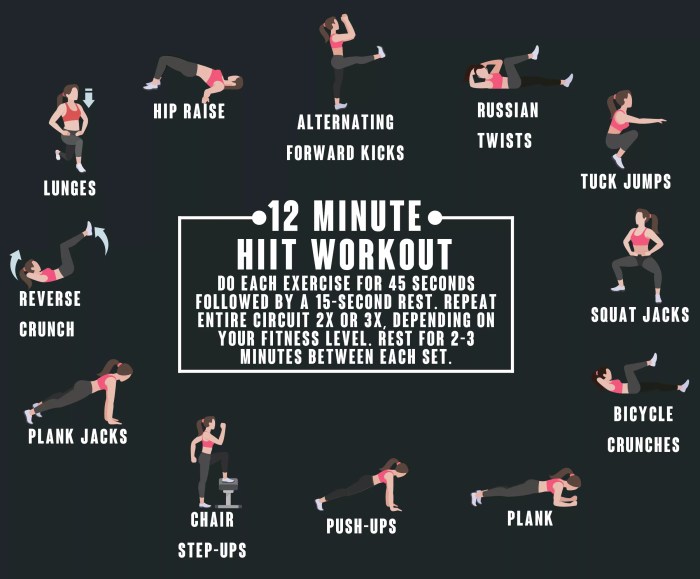
Benefits of HIIT workouts for fitness routines
Incorporating High-Intensity Interval Training (HIIT) into a fitness routine plays a crucial role in promoting a healthy lifestyle. Not only does it improve physical fitness, but it also has numerous benefits for mental and emotional well-being.

Importance of Balance

Finding the right balance between HIIT workouts and rest is essential for overall health. Overtraining can lead to burnout, injuries, and decreased performance. Rest days are crucial for muscle recovery and preventing fatigue. It’s important to listen to your body and give it the rest it needs to perform at its best.

Integrating HIIT with Healthy Habits

To maximize the benefits of HIIT, it’s important to integrate it with other healthy habits like nutrition and sleep. Fueling your body with the right nutrients before and after a workout can enhance performance and recovery. Getting an adequate amount of sleep is also crucial for muscle repair and overall well-being.

Mental and Emotional Well-being

HIIT workouts not only improve physical fitness but also have a positive impact on mental and emotional health. The release of endorphins during exercise can help reduce stress, anxiety, and symptoms of depression. Engaging in HIIT can boost confidence, improve mood, and enhance overall quality of life.

Medical Innovations

Benefits of HIIT workouts for fitness routines – As the integration of High-Intensity Interval Training (HIIT) continues to gain popularity in fitness routines, it is also making significant strides in the medical field. Healthcare professionals are recognizing the potential of HIIT in treating various medical conditions and improving overall health outcomes.

Cardiovascular Health

Studies have shown that HIIT can be highly effective in improving cardiovascular health by increasing aerobic capacity and reducing the risk of heart disease. Healthcare professionals are now incorporating HIIT into the treatment plans of patients with heart conditions to enhance their cardiac function and overall well-being.

Diabetes Management

Research has demonstrated that HIIT can help regulate blood sugar levels and improve insulin sensitivity in individuals with diabetes. Healthcare professionals are recommending HIIT as part of the treatment regimen for diabetic patients to better manage their condition and reduce the risk of complications.

Obesity and Weight Management

HIIT has been found to be a powerful tool in combating obesity and aiding in weight management. Healthcare professionals are encouraging individuals struggling with weight issues to incorporate HIIT into their fitness routines to increase calorie burn, improve metabolism, and achieve sustainable weight loss.

Technology Integration

Advancements in technology have revolutionized the way HIIT programs are delivered in healthcare settings. Wearable devices, fitness trackers, and mobile applications are being used to monitor patients’ progress, provide real-time feedback, and customize HIIT workouts to suit individual needs. This technology-enhanced approach is optimizing the effectiveness of HIIT interventions and facilitating better health outcomes for patients.

Nutritional Supplements: Benefits Of HIIT Workouts For Fitness Routines

Regular HIIT workouts can have a significant impact on the body’s need for certain nutritional supplements. These high-intensity exercises can deplete energy stores and increase the demand for specific nutrients to support muscle recovery and overall performance. Incorporating the right supplements into your diet can help optimize your results and enhance your HIIT sessions.

Role of Supplements in Enhancing Performance

Supplements play a crucial role in enhancing performance during HIIT sessions by providing the body with essential nutrients that may be lacking in your regular diet. For example, branched-chain amino acids (BCAAs) can help reduce muscle fatigue and improve endurance during intense workouts. Creatine supplements can also increase energy levels and muscle strength, allowing you to push harder during HIIT exercises.

Importance of a Balanced Diet

Maintaining a balanced diet is crucial when incorporating HIIT into a fitness routine. A well-rounded diet rich in lean proteins, complex carbohydrates, healthy fats, and a variety of fruits and vegetables can provide the necessary nutrients to support your workouts. Nutritional supplements should complement a healthy diet, not replace it, to ensure you are meeting all your nutritional needs for optimal performance.

Specific Supplements for HIIT Training

There are several specific supplements that can complement HIIT training for optimal results. In addition to BCAAs and creatine mentioned earlier, protein powder can help support muscle recovery and growth after intense workouts. Omega-3 fatty acids can reduce inflammation and improve cardiovascular health, while caffeine supplements can enhance focus and energy levels during HIIT sessions. It is essential to consult with a healthcare professional or a nutritionist before incorporating any new supplements into your routine to ensure they are safe and effective for your individual needs.

Fitness Routine

When structuring a HIIT workout routine for maximum benefits, it’s essential to consider factors like intensity, duration, and rest periods. Start with a warm-up to prepare your body for the high-intensity intervals, followed by alternating periods of intense exercise and rest or lower intensity. As you progress, you can increase the intensity or duration of the work intervals while adjusting the rest periods accordingly.

HIIT exercises are incredibly versatile and can be adapted to suit individuals with varying fitness levels. Beginners can start with modified versions of exercises and gradually increase the intensity as they build strength and endurance. Advanced individuals can incorporate more challenging movements or increase the speed and intensity of their intervals.

Examples of HIIT Routines

  • Full-Body HIIT Workout: Combine exercises like burpees, mountain climbers, and jumping jacks to target multiple muscle groups and elevate your heart rate.
  • Lower Body HIIT Routine: Focus on exercises like squats, lunges, and leg lifts to strengthen and tone your legs and glutes.
  • Core HIIT Circuit: Incorporate planks, Russian twists, and bicycle crunches to engage your core muscles and improve stability.

Importance of Progression and Variety

Progression and variety are crucial in a HIIT routine to prevent plateaus and ensure continued improvements in fitness. Gradually increasing the intensity, duration, or complexity of exercises challenges your body and helps you avoid adaptation to the same routine. Incorporating different exercises and movement patterns also helps target various muscle groups and prevent overuse injuries.

Health Screenings

Regular health screenings are crucial for monitoring our overall well-being and catching any potential health issues early on. When it comes to incorporating HIIT workouts into your fitness routine, these high-intensity sessions can have a significant impact on the results of your health screenings.

Cardiovascular Health and Screening Outcomes

High-intensity interval training is known for its ability to improve cardiovascular health. By engaging in HIIT workouts regularly, you can strengthen your heart and improve blood flow throughout your body. This can lead to positive outcomes in your health screenings related to heart health, such as improved resting heart rate and better overall cardiovascular function.

Influence on Blood Pressure and Cholesterol Levels

HIIT workouts have been shown to help lower blood pressure and improve cholesterol levels. These changes can directly impact the results of your health screenings, showing improvements in these key markers of heart health. By incorporating HIIT into your fitness regimen, you can work towards maintaining healthy blood pressure and cholesterol levels.

Incorporating Health Screenings with HIIT

It is important to schedule regular health screenings alongside your HIIT workouts to track your progress and overall health. By monitoring key indicators like blood pressure, cholesterol levels, and other important health markers, you can ensure that your fitness routine is positively impacting your well-being. Consult with your healthcare provider to determine the frequency and specific screenings that are most beneficial for you.

Disease Prevention

Regular HIIT workouts play a crucial role in reducing the risk of various diseases and improving overall health. HIIT has been shown to have a positive impact on conditions like diabetes, heart disease, and obesity, making it an effective preventive measure for a range of health issues.

Impact on Diabetes

  • HIIT workouts can help improve insulin sensitivity, leading to better blood sugar control.
  • Regular HIIT sessions have been linked to lower blood sugar levels and reduced risk of developing type 2 diabetes.
  • High-intensity intervals can aid in weight management, a key factor in diabetes prevention.

Impact on Heart Disease

  • HIIT can improve cardiovascular health by strengthening the heart and reducing the risk of heart disease.
  • The intense nature of HIIT workouts can help lower blood pressure and cholesterol levels.
  • Regular HIIT sessions may decrease inflammation and improve overall heart function.

Impact on Obesity

  • HIIT is an effective way to burn calories and fat, supporting weight loss efforts and reducing obesity risk.
  • The metabolic boost from HIIT workouts can help increase resting metabolic rate, aiding in weight management.
  • HIIT promotes the development of lean muscle mass, which can contribute to a higher metabolism and reduced risk of obesity-related complications.

Immune Function and Overall Health

  • HIIT can boost immune function by reducing inflammation and oxidative stress in the body.
  • Regular exercise, including HIIT, can enhance overall health and well-being, lowering the risk of infections and illnesses.
  • The stress-reducing effects of HIIT workouts can have a positive impact on immune function and overall health.

Preventive Measure for Various Health Conditions

  • HIIT workouts can serve as a preventive measure for a wide range of health conditions, from metabolic disorders to mental health issues.
  • Engaging in HIIT regularly can help maintain a healthy weight, reduce inflammation, and improve overall fitness levels, all of which contribute to disease prevention.
  • By incorporating HIIT into your fitness routine, you can proactively protect your health and reduce the risk of developing chronic diseases in the future.

Sleep Hygiene

Regular exercise, such as HIIT workouts, can have a significant impact on your sleep quality. By understanding the relationship between HIIT and improved sleep patterns, you can optimize your fitness routine for better rest.

Timing and Intensity

When it comes to HIIT workouts and sleep, the timing and intensity of your exercise sessions can play a crucial role in affecting your sleep patterns. High-intensity workouts close to bedtime may lead to difficulty falling asleep due to increased adrenaline levels. It is recommended to schedule your HIIT sessions earlier in the day to allow your body to wind down before bedtime.

Benefits of Regular Exercise

Engaging in regular exercise, such as HIIT, helps regulate your circadian rhythm, making it easier to fall asleep and stay asleep throughout the night. Exercise also promotes the release of endorphins, which can reduce stress and anxiety levels, further improving your sleep quality.

Tips for Incorporating HIIT

To enhance your sleep hygiene through HIIT workouts, consider the following tips:
– Schedule your HIIT workouts in the morning or early afternoon to avoid disrupting your sleep.
– Create a consistent exercise routine to establish a healthy sleep-wake cycle.
– Practice relaxation techniques, such as deep breathing or yoga, post-workout to help your body transition into a state of relaxation.
– Avoid caffeine and heavy meals close to bedtime to prevent sleep disturbances.

Mental Clarity

Regular HIIT workouts have been shown to have a positive impact on cognitive function and mental clarity. The high-intensity intervals combined with short rest periods not only improve physical fitness but also benefit mental well-being.

Enhanced Cognitive Function

HIIT workouts stimulate the release of endorphins and neurotransmitters like dopamine and serotonin, which are known to improve mood and reduce stress levels. These chemicals contribute to enhanced cognitive function, leading to increased mental clarity and focus.

  • Endorphins act as natural painkillers and mood elevators, promoting a sense of well-being and mental alertness.
  • Dopamine is associated with motivation, reward, and attention, enhancing cognitive function and decision-making skills.
  • Serotonin helps regulate mood, sleep, and appetite, contributing to overall mental well-being and clarity.

Improved Focus and Concentration

The intense nature of HIIT workouts requires full concentration and focus, training the mind to stay present and engaged. This mental discipline transfers to daily tasks and challenges, leading to improved focus, concentration, and productivity.

  • By pushing the body beyond its limits during HIIT, individuals learn to overcome mental barriers and stay focused on the task at hand.
  • The fast-paced nature of HIIT routines keeps the mind engaged, preventing distractions and enhancing mental clarity.

Personal Experiences

Many individuals who regularly engage in HIIT workouts report feeling sharper, more alert, and mentally refreshed after each session. The sense of accomplishment and mental clarity gained from completing a challenging workout contributes to a positive mindset and improved cognitive function throughout the day.

“After incorporating HIIT into my fitness routine, I noticed a significant increase in my mental clarity and focus. The endorphin rush and sense of accomplishment after each workout have made a noticeable difference in my overall well-being.”

Hydration Importance

Benefits of HIIT workouts for fitness routines
Proper hydration is crucial for maximizing the benefits of HIIT workouts and ensuring overall performance and recovery. Dehydration can significantly impact your ability to push through intense exercises and hinder your body’s ability to recover effectively.

Role of Electrolytes

Electrolytes play a key role in maintaining hydration levels during HIIT workouts. These essential minerals, such as sodium, potassium, and magnesium, help regulate fluid balance in the body and support muscle function. Including electrolyte-rich foods or drinks in your pre, during, and post-workout routine can help replenish what is lost through sweat and optimize your hydration levels.

Tips for Staying Hydrated, Benefits of HIIT workouts for fitness routines

  • Drink water before, during, and after your HIIT workout to prevent dehydration and support performance.
  • Consider incorporating electrolyte-rich sports drinks or coconut water to replenish lost minerals and maintain hydration levels.
  • Monitor your urine color – pale yellow indicates proper hydration, while dark yellow may signal dehydration.
  • Avoid excessive caffeine or alcohol consumption, as they can contribute to dehydration.
  • Listen to your body’s thirst cues and drink water regularly throughout the day, not just during exercise.

User Queries

How often should I do HIIT workouts?

It is recommended to do HIIT workouts 2-3 times per week to allow for adequate recovery and maximize results.

Can beginners try HIIT workouts?

While HIIT can be intense, beginners can start with modified exercises and gradually increase intensity as they build endurance.

Will HIIT workouts help in losing belly fat?

Yes, HIIT workouts are effective in burning calories and promoting fat loss, including reducing stubborn belly fat.

Is it necessary to use equipment for HIIT workouts?

No, HIIT workouts can be done with bodyweight exercises or minimal equipment, making them accessible for everyone.
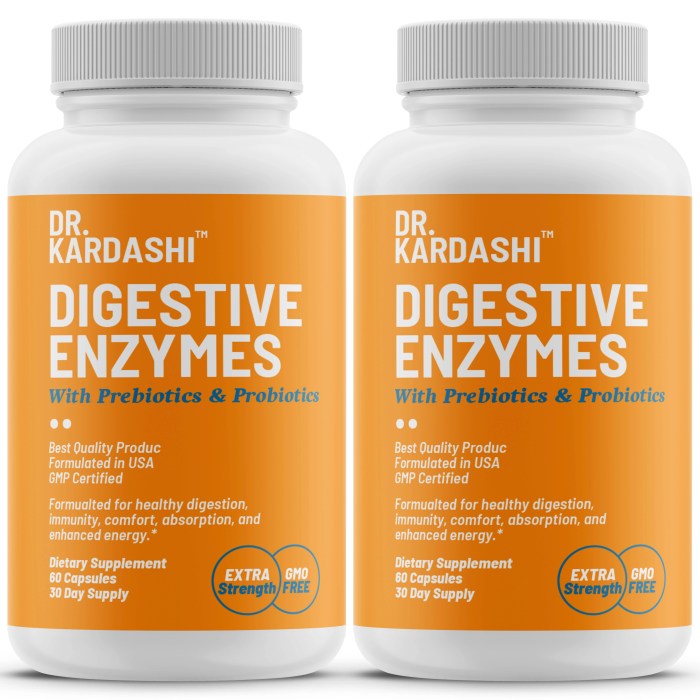
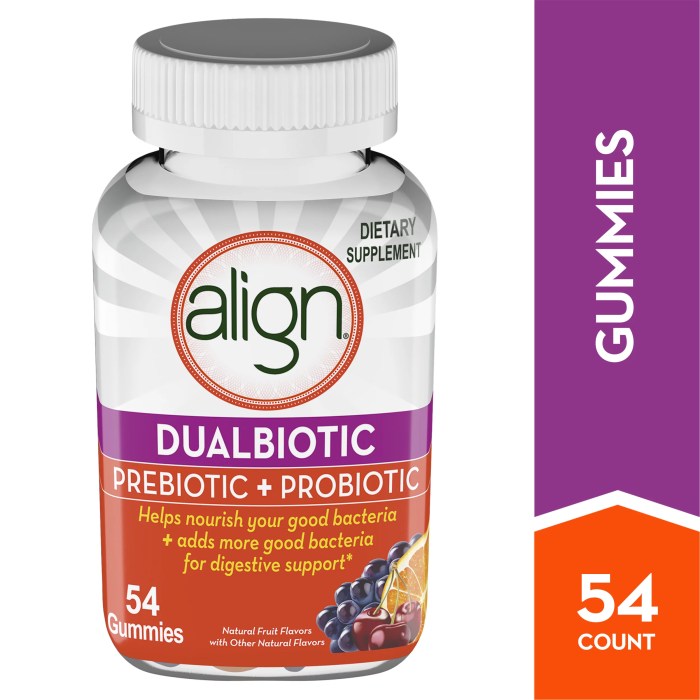
Best prebiotic supplements for digestive health: Enhancing gut health naturally

Best prebiotic supplements for digestive health

Prebiotic Supplements for Digestive Health

Prebiotic supplements play a crucial role in supporting digestive health by providing the necessary food for beneficial bacteria in the gut, known as probiotics. These supplements contain non-digestible fibers that help nourish the gut microbiota, promoting a healthy balance of bacteria in the digestive system.

Best Sources of Prebiotics for Promoting Gut Health

Prebiotics can be found in various foods, with some of the best sources including:

  • Chicory root: Rich in inulin, a type of prebiotic fiber that supports the growth of beneficial bacteria in the gut.
  • Artichokes: Contain inulin and other prebiotic fibers that promote gut health.
  • Garlic: Contains fructooligosaccharides (FOS), a prebiotic fiber that can help support the growth of probiotics.
  • Onions: Rich in inulin and FOS, which act as prebiotics in the gut.

Benefits of Incorporating Prebiotic Supplements in One’s Diet

Including prebiotic supplements in one’s diet can offer a range of benefits, such as:

  • Improved digestion: Prebiotics help support the growth of beneficial bacteria in the gut, which can aid in digestion and nutrient absorption.
  • Enhanced immune function: A healthy gut microbiome is linked to a stronger immune system, and prebiotics can help promote a balanced gut flora.
  • Reduced inflammation: By supporting a healthy gut environment, prebiotics may help reduce inflammation in the body.

Comparison of Different Types of Prebiotic Supplements Available

There are various types of prebiotic supplements available in the market, including:

  • Inulin supplements: Derived from sources like chicory root, inulin is a popular prebiotic supplement known for its ability to support gut health.
  • FOS supplements: Fructooligosaccharides are another common type of prebiotic supplement that can help nourish the gut microbiota.
  • Galactooligosaccharides (GOS) supplements: GOS are prebiotic fibers that can also promote the growth of beneficial bacteria in the gut.

Stress Management

Stress can have a significant impact on gut health as it can disrupt the balance of gut microbiota, leading to digestive issues such as bloating, constipation, or diarrhea. Managing stress is crucial for maintaining a healthy gut and overall well-being.

The Gut-Brain Connection

The gut-brain axis is a bidirectional communication system between the gut and the brain, linking emotional and cognitive centers of the brain with peripheral intestinal functions. When you’re stressed, the brain sends signals to the gut that can alter its normal functioning, affecting digestion and nutrient absorption.

  • Practice relaxation techniques such as deep breathing, meditation, or yoga to reduce stress levels and promote gut health.
  • Engage in regular physical activity to release endorphins, which are mood-boosting hormones that can help alleviate stress and improve gut motility.
  • Ensure an adequate amount of sleep to allow the body to rest and recover, as sleep deprivation can exacerbate stress levels and negatively impact gut health.
  • Consider seeking professional help or counseling if stress levels are overwhelming and affecting your daily life.

Nutrition and Stress

Diet plays a crucial role in managing stress and promoting gut health. Certain foods can either exacerbate or alleviate stress levels, impacting the gut microbiota composition.

  1. Include prebiotic-rich foods such as garlic, onions, bananas, and asparagus in your diet to support the growth of beneficial gut bacteria.
  2. Consume probiotic foods like yogurt, kefir, or sauerkraut to maintain a healthy balance of gut microbiota, which can help reduce stress and anxiety.
  3. Avoid or limit the intake of processed foods, sugar, and caffeine, as they can negatively impact gut health and exacerbate stress levels.
  4. Stay hydrated by drinking an adequate amount of water throughout the day, as dehydration can increase stress and hinder digestion.

Healthy Lifestyle

Living a healthy lifestyle is crucial for maintaining optimal digestive health. When we take care of our bodies through proper nutrition, regular exercise, and sufficient sleep, we also support the functioning of our gut. A healthy lifestyle can help prevent digestive issues such as bloating, constipation, and diarrhea, while also promoting overall well-being.

Benefits of Adopting a Healthy Lifestyle for Gut Health

  • Eating a balanced diet rich in fiber, fruits, vegetables, and probiotic-rich foods can promote the growth of beneficial bacteria in the gut, improving digestion.
  • Regular physical activity can help regulate bowel movements and reduce the risk of gastrointestinal disorders.
  • Adequate sleep is essential for gut health as it allows the body to repair and restore digestive functions overnight.

Tips for Supporting Gut Function through Healthy Lifestyle Choices

  • Stay hydrated by drinking plenty of water throughout the day to aid in digestion and prevent constipation.
  • Avoid processed foods high in sugar, fat, and artificial ingredients that can disrupt the balance of gut bacteria.
  • Incorporate stress-reducing activities such as yoga, meditation, or deep breathing exercises to support a healthy gut-brain connection.

Relationship between Exercise, Sleep, and Nutrition in Maintaining Gut Health

Regular exercise, quality sleep, and a balanced diet work together to promote optimal gut health. Exercise helps stimulate digestion, while sleep allows the body to repair and regenerate cells, including those in the digestive system. Proper nutrition provides essential nutrients for gut bacteria to thrive and support overall digestive function.

Daily Routine for Overall Wellness and Digestive Health

Start your day with a nutritious breakfast, engage in physical activity throughout the day, and prioritize getting at least 7-8 hours of quality sleep each night to support gut health.

Medical Innovations

In recent years, medical innovations have significantly contributed to improving digestive health outcomes through the development of advanced technologies and treatments. These innovations have revolutionized the way we diagnose and treat digestive disorders, leading to more effective and personalized care for patients.

Microbiome Analysis

Best prebiotic supplements for digestive health – One of the groundbreaking technologies in the field of digestive health is microbiome analysis. This involves studying the complex community of microorganisms living in our gut, known as the microbiome, to understand its role in maintaining overall health. By analyzing the composition of the gut microbiome, healthcare providers can identify imbalances and tailor treatment plans to restore gut health.

Telemedicine for Digestive Disorders

Telemedicine has emerged as a convenient and efficient way to diagnose and manage digestive disorders remotely. Patients can now consult with gastroenterologists through virtual visits, allowing for timely interventions and continuity of care. This technology has improved access to specialized care for individuals in remote areas or with limited mobility.

Precision Medicine

Advancements in precision medicine have paved the way for personalized treatment approaches in digestive health. By considering an individual’s genetic makeup, lifestyle factors, and gut microbiome composition, healthcare providers can tailor therapies to target specific digestive disorders more effectively. This approach not only improves treatment outcomes but also reduces the risk of adverse effects.

Nutritional Supplements

When it comes to supporting digestive health, nutritional supplements play a crucial role in providing essential nutrients that may be lacking in our diets. Let’s explore how prebiotic supplements compare with other types of nutritional supplements and the key nutrients important for gut health.

Key Nutrients for Gut Health

Ensuring a healthy gut involves incorporating key nutrients that support digestive functions. Some essential nutrients for gut health include:

  • Probiotics: Live bacteria that promote a healthy balance of gut flora.
  • Fiber: Helps regulate bowel movements and supports the growth of beneficial bacteria.
  • Prebiotics: Non-digestible fibers that serve as food for probiotics and promote their growth.
  • Omega-3 fatty acids: Reduce inflammation in the gut and support overall digestive health.

Importance of Nutritional Supplements

Nutritional supplements can bridge the gap between our diet and the nutrients required for optimal gut health. Incorporating these supplements can help improve digestion, nutrient absorption, and overall well-being.

Choosing the Right Nutritional Supplements

When selecting nutritional supplements for digestive health, consider the following guidelines:

  • Look for supplements with a diverse range of probiotic strains to support overall gut health.
  • Choose supplements with prebiotics to nourish the beneficial bacteria in your gut.
  • Opt for supplements that are free from unnecessary additives, fillers, and artificial ingredients.
  • Consult with a healthcare provider or nutritionist to determine the best supplements for your specific needs.

Fitness Routine

Regular physical activity plays a crucial role in maintaining overall health, including gut health. Exercise can help improve digestion, reduce inflammation, and promote the growth of beneficial gut bacteria. Here, we will explore how different types of exercises can benefit digestive health and overall well-being.

Examples of Exercises for Digestive Health

  • Cardiovascular exercises like running, cycling, or swimming can help boost metabolism and improve digestion.
  • Yoga and Pilates are great for reducing stress, which can have a positive impact on gut health.
  • Strength training exercises such as weightlifting or bodyweight exercises can help increase muscle mass and metabolism, promoting a healthy gut microbiota.

Connection Between Fitness, Metabolism, and Gut Microbiota

Regular physical activity not only helps improve metabolism but also influences the composition of gut microbiota. A balanced gut microbiome is essential for proper digestion and overall health. Exercise can help maintain this balance by promoting the growth of beneficial bacteria and reducing inflammation in the gut.

Designing a Fitness Routine for Digestion and Well-being

  • Include a mix of cardiovascular, strength training, and flexibility exercises in your routine.
  • Focus on activities that reduce stress, such as yoga or meditation, to support gut health.
  • Aim for at least 150 minutes of moderate-intensity exercise per week for optimal digestive health.

Health Screenings

Best prebiotic supplements for digestive health
Regular health screenings play a crucial role in assessing and maintaining digestive health. These screenings help in early detection of potential issues and can significantly impact treatment outcomes.

Common Health Screenings for Digestive Health

  • Colonoscopy: A procedure to examine the colon for abnormalities or signs of disease.
  • Endoscopy: Allows doctors to see inside the digestive tract and detect issues like ulcers or inflammation.
  • Stool Tests: Help identify digestive disorders, infections, or abnormalities in the gastrointestinal system.

Importance of Regular Health Screenings

Regular health screenings are essential in preventing digestive disorders by detecting problems at an early stage. Early detection can lead to timely intervention and effective treatment, improving overall gut health.

Early Detection and Its Impact on Treatment

Early detection through health screenings can significantly impact treatment outcomes for digestive disorders. It allows healthcare providers to intervene promptly, potentially preventing complications and improving the prognosis for patients.

Role of Health Screenings in Maintaining Optimal Gut Function, Best prebiotic supplements for digestive health

Health screenings play a vital role in maintaining optimal gut function by identifying any potential issues or abnormalities that may affect digestive health. By addressing these problems early on, individuals can take proactive steps to preserve gut health and overall well-being.

Disease Prevention

Preventing digestive disorders is essential for maintaining overall health and well-being. By making certain lifestyle changes and adopting healthy dietary habits, individuals can significantly reduce their risk of developing common digestive diseases.

Preventive Measures for Common Digestive Disorders

  • Avoiding excessive consumption of high-fat, spicy, or processed foods.
  • Incorporating fiber-rich foods such as fruits, vegetables, and whole grains into your diet.
  • Drinking an adequate amount of water throughout the day to support digestion.
  • Engaging in regular physical activity to promote healthy digestion.

Role of Early Detection in Disease Prevention

Early detection plays a crucial role in preventing digestive diseases as it allows for timely intervention and treatment. Regular health screenings and check-ups can help identify potential issues before they escalate into more serious conditions.

Successful Disease Prevention Strategies

  • Implementing a balanced and nutritious diet tailored to individual needs.
  • Maintaining a healthy weight through proper diet and exercise.
  • Reducing stress levels through relaxation techniques such as meditation or yoga.
  • Seeking medical advice promptly if experiencing persistent digestive symptoms.

Sleep Hygiene

Having good sleep hygiene is crucial for overall health, including digestive function. Poor sleep quality can negatively impact gut health and disrupt the balance of gut microbiota.

Connection between Sleep Quality and Gut Health

Maintaining a regular sleep schedule and getting enough restful sleep is essential for a healthy gut. Sleep deprivation can lead to a decrease in beneficial gut bacteria, increased inflammation, and a compromised immune system.

Tips for Improving Sleep Hygiene

  • Avoid caffeine and heavy meals close to bedtime.
  • Create a relaxing bedtime routine, such as reading or taking a warm bath.
  • Ensure your sleep environment is comfortable, dark, and quiet.
  • Avoid screens before bed and try to limit exposure to blue light.

Impact of Sleep Disorders on Gut Microbiota

Sleep disorders like insomnia or sleep apnea can disrupt the balance of gut bacteria and contribute to gastrointestinal issues. Chronic sleep deprivation can also increase the risk of conditions like obesity, diabetes, and heart disease.

Designing a Bedtime Routine for Better Sleep and Digestion

  • Establish a consistent sleep schedule and aim for 7-9 hours of quality sleep each night.
  • Practice relaxation techniques like deep breathing or meditation before bed.
  • Avoid stimulating activities or stressful situations close to bedtime.
  • Consider incorporating prebiotic-rich foods like bananas, garlic, and onions into your evening snack.

Mental Clarity

Mental well-being plays a crucial role in digestive health. The connection between stress, anxiety, and gut function is profound, impacting the body’s ability to digest food properly and absorb nutrients. Enhancing mental clarity can significantly improve digestion and overall gut health. Practicing mindfulness techniques can help alleviate stress and promote a healthy gut environment.

Techniques for Enhancing Mental Clarity

  • Practice deep breathing exercises to reduce stress levels and promote relaxation.
  • Engage in regular physical activity to boost endorphins and improve mood.
  • Get an adequate amount of sleep each night to support cognitive function and mental clarity.
  • Try meditation or yoga to calm the mind and reduce anxiety levels.

Hydration Importance: Best Prebiotic Supplements For Digestive Health

Best prebiotic supplements for digestive health
Maintaining optimal hydration is crucial for supporting a healthy digestive system and overall well-being. Water plays a vital role in various bodily functions, including digestion and nutrient absorption. Dehydration can have negative effects on gut function, leading to issues like constipation and bloating.

Role of Hydration in Digestive Health

  • Water helps in the breakdown of food and the absorption of nutrients in the digestive tract.
  • Proper hydration aids in the movement of food through the digestive system, preventing constipation.
  • Drinking enough water ensures that the mucosal lining of the intestines remains intact, promoting optimal nutrient absorption.

Benefits of Staying Hydrated

  • Improved digestion and regular bowel movements.
  • Reduced risk of constipation, bloating, and gastrointestinal issues.
  • Supports the body’s natural detoxification processes.

Impact of Dehydration on Digestion

  • Dehydration can slow down the digestive process, leading to irregular bowel movements.
  • Lack of water can cause the mucosal lining in the intestines to become less effective, affecting nutrient absorption.
  • Digestive enzymes may not function optimally in a dehydrated state, hindering the breakdown of food.

Guidelines for Optimal Daily Water Intake

  • General recommendation: 8-10 glasses of water per day, but individual needs may vary based on activity level, climate, and health conditions.
  • Monitor urine color: Aim for pale yellow to clear urine as an indicator of adequate hydration.
  • Include hydrating foods like fruits and vegetables in your diet to supplement water intake.

Quick FAQs

What are prebiotic supplements and how do they support digestive health?

Prebiotic supplements contain specialized fibers that promote the growth of beneficial bacteria in the gut, improving digestion and nutrient absorption.

How can I incorporate prebiotic supplements into my diet effectively?

You can add prebiotic-rich foods like garlic, onions, bananas, and chicory root to your meals or opt for prebiotic supplements in powder or capsule form.

Are there any side effects of taking prebiotic supplements for digestive health?

While most people tolerate prebiotic supplements well, some may experience mild digestive issues like bloating or gas initially. It’s essential to start with small doses and gradually increase intake.

Benefits of collagen supplements for skin: Enhancing Skin Health with Collagen

Benefits of collagen supplements for skin

Benefits of Collagen Supplements for Skin

Collagen is a crucial protein that plays a significant role in maintaining the health and appearance of our skin. As we age, the production of collagen in our bodies decreases, leading to sagging skin, wrinkles, and other signs of aging. Collagen supplements can help replenish the collagen levels in our skin, providing a range of benefits to improve skin health and appearance.

Improved Skin Elasticity and Hydration

Collagen helps to maintain the skin’s elasticity, making it appear more youthful and firm. By boosting collagen levels through supplements, you can enhance the skin’s ability to stretch and bounce back, reducing the appearance of sagging skin. Additionally, collagen aids in retaining moisture, keeping the skin hydrated and preventing dryness and dullness.

Reduction of Wrinkles and Fine Lines

One of the most well-known benefits of collagen supplements is their ability to reduce the visibility of wrinkles and fine lines on the skin. Collagen promotes skin regeneration and repair, smoothing out the skin’s surface and diminishing the depth of wrinkles. Regular intake of collagen supplements can help combat the signs of aging, resulting in a smoother and more youthful complexion.

Promotion of Skin Firmness and Overall Skin Health

Collagen is essential for maintaining the structure and firmness of the skin. By incorporating collagen supplements into your routine, you can support the structural integrity of the skin, leading to improved firmness and resilience. Furthermore, collagen aids in the repair of damaged skin cells, promoting overall skin health and a radiant complexion.

Potential Benefits for a Youthful Appearance

In addition to its role in improving skin elasticity, reducing wrinkles, and promoting skin firmness, collagen supplements can have a transformative effect on your overall appearance. By enhancing the skin’s health from within, collagen can help you achieve a more youthful and radiant complexion, giving you a natural glow and boosting your confidence.

Stress Management

Benefits of collagen supplements for skin

Benefits of collagen supplements for skin – Stress can have a significant impact on skin health, leading to various skin conditions such as acne, eczema, and psoriasis. High stress levels can trigger inflammation in the body, which in turn can worsen skin issues and accelerate the aging process.

Strategies for Managing Stress to Improve Skin Conditions

  • Practice relaxation techniques such as deep breathing, meditation, or yoga to reduce stress levels.
  • Engage in regular physical activity, which can help release endorphins and improve overall mood.
  • Ensure an adequate amount of sleep each night to promote skin repair and regeneration.
  • Maintain a healthy diet rich in antioxidants and nutrients that support skin health.
  • Consider seeking support from a therapist or counselor to address underlying stressors.

Correlation Between Stress Levels and Skin Aging

Elevated stress levels can contribute to premature skin aging by increasing the production of cortisol, a hormone that can break down collagen and elastin in the skin. This results in the formation of wrinkles, fine lines, and sagging skin.

Reducing Stress for a Healthier Complexion

  • Implement stress-reducing activities into your daily routine, such as mindfulness practices or spending time in nature.
  • Establish boundaries and learn to say no to tasks or commitments that cause excessive stress.
  • Prioritize self-care activities that promote relaxation and rejuvenation, such as taking baths or getting a massage.
  • Stay connected with loved ones for emotional support and social interaction, which can help alleviate stress.

Healthy Lifestyle

Adopting a healthy lifestyle plays a crucial role in maintaining skin health. A combination of balanced nutrition, regular exercise, and healthy habits can contribute to glowing and radiant skin.

Balanced Nutrition for Healthy Skin

Consuming a well-rounded diet rich in vitamins, minerals, and antioxidants is essential for skin health. Nutrients like Vitamin C, E, and A help in repairing and protecting the skin from damage caused by free radicals.

  • Eat a variety of fruits and vegetables to ensure a good intake of essential vitamins and minerals.
  • Incorporate healthy fats like omega-3 fatty acids found in fish and nuts to maintain skin elasticity.
  • Stay hydrated by drinking an adequate amount of water daily to keep the skin hydrated and plump.

Role of Exercise in Skin Vitality

Regular physical activity not only benefits overall health but also promotes skin vitality. Exercise helps in improving blood circulation, which in turn nourishes the skin cells and carries away waste products.

  • Include cardiovascular exercises like running or cycling to increase blood flow to the skin.
  • Practice yoga or Pilates to reduce stress levels, which can have a positive impact on skin health.
  • Sweating during exercise helps in clearing out pores and detoxifying the skin.

Incorporating Healthy Habits for Glowing Skin

Aside from nutrition and exercise, adopting healthy habits can significantly contribute to achieving glowing skin. Simple lifestyle changes can make a big difference in the overall appearance and health of your skin.

  • Get an adequate amount of sleep to allow the skin to repair and regenerate overnight.
  • Avoid smoking and limit alcohol consumption, as they can accelerate skin aging.
  • Protect your skin from the sun by using sunscreen daily to prevent premature aging and damage.

Medical Innovations: Benefits Of Collagen Supplements For Skin

When it comes to enhancing skin appearance, medical innovations have played a crucial role in revolutionizing skincare treatments. From the latest advancements in dermatology to the use of cutting-edge technology, these innovations have changed the way we approach skincare routines and address various skin concerns.

Innovative Treatments for Skin Rejuvenation, Benefits of collagen supplements for skin

  • One of the innovative treatments gaining popularity is laser skin resurfacing, which uses concentrated beams of light to improve skin tone and texture.
  • Another breakthrough is the use of microneedling, a procedure that stimulates collagen production and enhances skin elasticity.
  • Cryotherapy, a treatment that involves exposing the skin to extremely cold temperatures, is also being used to reduce inflammation and promote skin rejuvenation.

Advancements in Dermatology

  • Dermatologists are now using advanced imaging techniques like high-frequency ultrasound and optical coherence tomography to diagnose skin conditions more accurately.
  • The development of personalized skincare treatments based on genetic testing and analysis has also revolutionized the field of dermatology.
  • New topical formulations containing growth factors and peptides are being used to promote collagen production and improve skin health.

Role of Technology in Skincare

  • The rise of telemedicine and virtual consultations has made skincare more accessible to people from all walks of life, allowing them to seek expert advice from the comfort of their homes.
  • Devices like at-home LED masks and microcurrent devices are becoming popular for improving skin tone and reducing signs of aging.
  • Artificial intelligence and machine learning algorithms are being used to analyze skin conditions and recommend personalized skincare routines tailored to individual needs.

Addressing Various Skin Concerns

  • Medical innovations have paved the way for targeted treatments for specific skin concerns such as acne, hyperpigmentation, and aging skin.
  • New injectable fillers and neuromodulators are being used to restore volume, reduce wrinkles, and rejuvenate the skin without invasive surgery.
  • Advancements in regenerative medicine, such as stem cell therapy and platelet-rich plasma injections, offer promising solutions for skin rejuvenation and repair.

Nutritional Supplements

Nutritional supplements play a crucial role in supporting overall skin health by providing essential nutrients that may be lacking in our diets. These supplements can help nourish the skin from within, promoting a radiant and healthy complexion.

Key Nutrients for Skin Nourishment

  • Vitamin C: Known for its antioxidant properties, vitamin C helps in collagen production, promoting firmness and elasticity in the skin.
  • Vitamin E: Another powerful antioxidant, vitamin E protects the skin from damage caused by free radicals and UV rays.
  • Omega-3 Fatty Acids: Essential for maintaining skin hydration and reducing inflammation, omega-3 fatty acids contribute to a supple and smooth skin texture.
  • Zinc: Supports the skin’s natural healing process and helps in controlling oil production, preventing acne breakouts.

Role of Vitamins and Minerals in Skin Radiance

  • Vitamin A: Supports skin cell turnover and repair, promoting a brighter complexion and reducing signs of aging.
  • Selenium: Helps protect the skin from sun damage and reduces inflammation, contributing to a healthy glow.
  • Collagen Peptides: Not technically a vitamin or mineral, collagen peptides in supplement form can improve skin elasticity and hydration, reducing wrinkles and fine lines.

Recommendations for Incorporating Supplements into Skincare Regimen

  • Consult with a healthcare professional or dermatologist to determine the right supplements for your skin type and concerns.
  • Introduce one supplement at a time to monitor its effects on your skin and overall health.
  • Follow the recommended dosage instructions provided by the supplement manufacturer to avoid any adverse effects.
  • Combine supplements with a healthy diet rich in fruits, vegetables, and whole grains for optimal skin nourishment.

Fitness Routine

Regular exercise plays a crucial role in maintaining skin health and appearance. By incorporating a fitness routine into your lifestyle, you can positively impact the vitality of your skin. Let’s explore the relationship between physical activity and skin health, along with tips for creating a fitness routine that benefits your skin.

Impact of Regular Exercise on Skin Health

Regular physical activity can improve blood circulation, which helps deliver essential nutrients and oxygen to the skin cells. This process promotes skin cell regeneration, leading to a healthier and more vibrant complexion. In addition, exercise can help reduce stress levels, which is beneficial for overall skin health.

  • Increased blood flow to the skin can enhance collagen production, improving skin elasticity and firmness.
  • Exercise promotes sweating, which helps unclog pores and removes toxins from the skin, reducing the risk of breakouts.
  • Physical activity can reduce inflammation in the body, which may help alleviate skin conditions such as acne and eczema.

Creating a Skin-Boosting Fitness Routine

When designing a fitness routine to benefit your skin, consider incorporating a mix of cardiovascular exercises, strength training, and flexibility exercises. Aim for at least 150 minutes of moderate-intensity exercise per week to experience the skin-boosting benefits of physical activity.

  • Include activities like brisk walking, running, cycling, or dancing to get your heart rate up and improve blood circulation.
  • Integrate strength training exercises using weights or resistance bands to build muscle tone, which can contribute to a more youthful appearance.
  • Don’t forget to stretch regularly to maintain flexibility and prevent muscle stiffness, which can affect skin health.

Effects of Exercise on Skin Aging and Complexion

Regular exercise can help slow down the aging process by promoting collagen production and reducing oxidative stress. As a result, you may notice improvements in skin texture, firmness, and overall radiance. Additionally, physical activity can help maintain a healthy weight, which is essential for skin health and preventing premature aging.

  • Exercise can boost circulation, delivering nutrients and oxygen to the skin for a youthful glow.
  • Reduced stress levels from exercise can prevent the formation of stress-related skin issues like wrinkles and fine lines.
  • Consistent physical activity can improve sleep quality, allowing for better skin repair and regeneration overnight.

Health Screenings

Regular health screenings play a crucial role in maintaining overall well-being, especially when it comes to skin health. Detecting skin conditions early through screenings can significantly impact treatment outcomes and prevent more serious issues from developing.

Importance of Skin Checks for Skin Cancer Prevention

Regular skin checks are essential for the early detection of skin cancer. Skin screenings can help identify suspicious moles or lesions that may require further evaluation. By catching skin cancer in its early stages, the chances of successful treatment and recovery are significantly higher.

Significance of Health Screenings for Detecting Skin Conditions Early

Health screenings for skin conditions such as eczema, psoriasis, or other dermatological issues can help diagnose these conditions before they worsen. Early detection can lead to more effective treatment options and better management of skin-related concerns.

Role of Screenings in Maintaining Overall Skin Health

In addition to detecting specific skin conditions, regular screenings can also help assess overall skin health. Skin screenings can identify signs of aging, sun damage, or other skin issues that may require preventive measures or treatment. By staying proactive with skin health screenings, individuals can take steps to maintain healthy skin and address any concerns promptly.

Guidance on Scheduling Routine Health Screenings for Skin Concerns

It is recommended to consult with a dermatologist or healthcare provider to determine the appropriate frequency of skin screenings based on individual risk factors and medical history. Generally, annual skin checks are recommended for early detection of skin cancer and other dermatological conditions. By prioritizing regular health screenings, individuals can take proactive steps towards maintaining healthy skin and overall well-being.

Disease Prevention

Maintaining skin health is not just about looking good; it can also play a vital role in disease prevention. The condition of our skin can often reflect our overall health, making it essential to take care of it to prevent potential diseases.

Link between Skin Conditions and Underlying Health Issues

Skin conditions such as eczema, psoriasis, and acne can sometimes be indicators of underlying health issues like hormonal imbalances, autoimmune disorders, or even allergies. It is crucial to pay attention to changes in your skin as they could be early signs of more serious health problems.

Tips for Preventing Skin-Related Diseases Through Proper Skincare

  • Stay hydrated by drinking plenty of water to keep your skin moisturized and healthy.
  • Protect your skin from sun damage by using sunscreen daily and wearing protective clothing.
  • Follow a skincare routine that includes cleansing, moisturizing, and exfoliating to maintain skin health.
  • Eat a balanced diet rich in vitamins and antioxidants to promote skin regeneration and repair.

Importance of Early Detection and Treatment in Disease Prevention

Early detection of skin-related diseases such as skin cancer can significantly improve treatment outcomes and increase the chances of recovery. Regular skin screenings and self-checks can help identify potential issues early on, leading to timely intervention and better prognosis.

Sleep Hygiene

Maintaining good sleep hygiene is crucial for overall health, including skin health. Adequate sleep plays a significant role in skin regeneration and appearance.

Impact of Sleep Quality on Skin Health

Poor sleep quality can lead to a dull complexion, puffy eyes, and even exacerbate skin conditions such as acne and eczema. When we sleep, our body undergoes repair and regeneration processes, including skin cell turnover. Lack of quality sleep can disrupt these processes, leading to skin issues.

Benefits of Adequate Sleep for Skin Regeneration

  • Improved collagen production: During deep sleep, collagen is synthesized, which helps maintain skin elasticity and firmness.
  • Enhanced skin repair: Adequate sleep allows the skin to repair and regenerate, leading to a healthier complexion.
  • Reduced inflammation: Quality sleep can help reduce inflammation in the body, which can contribute to clearer skin.

Tips for Improving Sleep Hygiene

  1. Establish a regular sleep schedule and stick to it, even on weekends.
  2. Create a relaxing bedtime routine to signal your body that it’s time to sleep.
  3. Avoid screens and stimulating activities before bed to promote better sleep quality.
  4. Ensure your sleep environment is conducive to rest, with comfortable bedding and a cool, dark room.

Effects of Lack of Sleep on Skin Aging

Chronic lack of sleep can accelerate the aging process of the skin. It can lead to increased fine lines, wrinkles, and uneven skin tone. Additionally, insufficient sleep can impair the skin’s ability to recover from environmental stressors, making it more susceptible to damage.

Mental Clarity

Maintaining mental clarity is crucial for overall well-being, including skin health. The mind-body connection plays a significant role in how our skin looks and feels. High stress levels and poor mental well-being can have a direct impact on skin appearance, leading to dullness, breakouts, and premature aging.

Influence of Mental Clarity on Skin Health

  • Stress can trigger inflammation in the body, leading to skin issues like acne and eczema.
  • Chronic stress can disrupt the skin’s natural barrier function, making it more prone to damage and dehydration.
  • Poor mental health can result in unhealthy lifestyle habits like poor diet and lack of sleep, which can further impact skin health.

Strategies for Enhancing Mental Clarity for Healthier Skin

  • Practice mindfulness techniques such as meditation and deep breathing exercises to reduce stress levels.
  • Engage in regular physical activity to boost endorphins and improve mental well-being.
  • Ensure a balanced diet rich in antioxidants, vitamins, and minerals to support brain function and skin health.

Role of Mindfulness and Stress Management in Promoting Skin Radiance

  • Mindfulness practices can help reduce cortisol levels, a stress hormone that can negatively impact skin health.
  • Stress management techniques like yoga and tai chi can improve blood circulation, promoting a healthy glow in the skin.
  • By taking care of your mental well-being, you can achieve a clearer mind and radiant skin from within.

Hydration Importance

Proper hydration is crucial for maintaining healthy skin and preserving its elasticity. Dehydration can have negative effects on skin health, leading to dryness, dullness, and premature aging.

Significance of Hydration for Skin Health and Elasticity

  • Hydration helps to maintain the skin’s natural barrier function, preventing moisture loss and maintaining a plump, smooth appearance.
  • Collagen production in the skin is dependent on adequate hydration, supporting skin elasticity and firmness.
  • Well-hydrated skin is more resistant to environmental stressors and shows fewer signs of aging.

Improving Skin Texture and Tone through Proper Hydration

  • Drinking enough water and using hydrating skincare products can help improve skin texture, making it soft and supple.
  • Proper hydration can enhance skin tone by promoting an even complexion and reducing the appearance of redness or blotchiness.
  • Moisturizing regularly can help maintain the skin’s hydration levels and improve overall skin health.

Effects of Dehydration on Skin Aging and Wrinkles

  • Dehydration can lead to the formation of fine lines and wrinkles, making the skin look older than it is.
  • Loss of hydration can weaken the skin’s structure, causing it to sag and lose elasticity, resulting in more prominent wrinkles.
  • Long-term dehydration can accelerate the aging process and contribute to the development of deep wrinkles.

Tips for Maintaining Optimal Hydration Levels for Healthy Skin

  • Drink an adequate amount of water throughout the day to keep your skin hydrated from within.
  • Use a moisturizer suitable for your skin type to lock in moisture and prevent water loss.
  • Avoid excessive consumption of dehydrating beverages like alcohol and caffeine.
  • Incorporate hydrating foods rich in water content, such as fruits and vegetables, into your diet.
  • Consider using a humidifier in dry environments to help maintain skin hydration.

FAQ Corner

How do collagen supplements improve skin elasticity?

Collagen supplements help boost the body’s collagen production, resulting in improved skin elasticity over time.

Can collagen supplements reduce wrinkles effectively?

Yes, collagen supplements can help reduce the appearance of wrinkles and fine lines by promoting skin firmness and hydration.

Are collagen supplements suitable for all skin types?

Collagen supplements are generally safe for most skin types, but it’s advisable to consult a dermatologist before starting any new supplement regimen.

Advances in fertility treatments: Exploring the Latest Innovations in Reproductive Health

Advances in fertility treatments

Advances in Fertility Treatments

Advances in fertility treatments – With the continuous advancement in technology, assisted reproductive techniques have seen significant progress in recent years. These innovations have revolutionized the field of fertility treatments, offering new possibilities for individuals struggling with infertility.

Latest Technology in Assisted Reproductive Techniques

One of the latest technologies in assisted reproductive techniques is the use of time-lapse imaging systems. These systems allow embryologists to monitor embryo development without disturbing the embryos, providing valuable information to select the best embryo for transfer, increasing the chances of a successful pregnancy.

Comparison of Traditional Fertility Treatments with Modern Advancements

  • Traditional fertility treatments, such as intrauterine insemination (IUI) and in vitro fertilization (IVF), have been enhanced with modern advancements like intracytoplasmic sperm injection (ICSI) and preimplantation genetic testing (PGT). These advancements have improved success rates and reduced the risk of genetic abnormalities in offspring.
  • Modern fertility treatments also include techniques like egg freezing and sperm freezing, providing individuals with the option to preserve their fertility for future use.

Impact of Genetic Testing on Fertility Treatment Outcomes

Genetic testing plays a crucial role in fertility treatment outcomes by identifying genetic abnormalities in embryos before implantation. This helps in selecting the healthiest embryos for transfer, reducing the risk of miscarriage and genetic disorders in offspring.

Role of Cryopreservation in Fertility Preservation

Cryopreservation, the process of freezing and storing eggs, sperm, or embryos, has become a vital component of fertility preservation. It allows individuals to preserve their fertility potential before undergoing treatments that may affect their reproductive capacity, such as chemotherapy or radiation therapy.

Stress Management

Stress can have a significant impact on fertility, as it can disrupt hormone levels and interfere with the reproductive system. High levels of stress can lead to irregular menstrual cycles, decreased libido, and even affect sperm quality in men.

Strategies for Reducing Stress During Fertility Treatments

  • Practice relaxation techniques such as deep breathing, yoga, or tai chi to help calm the mind and body.
  • Engage in regular physical activity like walking or swimming to release endorphins and reduce stress levels.
  • Seek support from loved ones or join a support group to share your feelings and experiences during this challenging time.
  • Consider therapy or counseling to address any underlying emotional issues that may be contributing to stress.

Mindfulness and Meditation for Stress Management

  • Practice mindfulness by staying present in the moment and accepting your thoughts and feelings without judgment.
  • Engage in daily meditation to promote relaxation, reduce anxiety, and improve overall well-being.
  • Use guided imagery or visualization techniques to create a sense of calm and positivity during fertility treatments.

Importance of Seeking Professional Help for Stress-Related Issues

  • Consult a mental health professional or therapist if you are struggling to cope with stress during fertility treatments.
  • Consider seeing a fertility counselor who can provide emotional support and help you develop coping strategies.
  • Explore alternative therapies such as acupuncture or massage to promote relaxation and reduce stress levels.

Healthy Lifestyle: Advances In Fertility Treatments

Maintaining a healthy lifestyle is crucial when it comes to fertility. Diet, nutrition, exercise, and habits like smoking and alcohol consumption can significantly impact fertility.

Impact of Diet and Nutrition on Fertility

Eating a balanced diet rich in nutrients is essential for reproductive health. Nutrients like folate, iron, and antioxidants play a key role in fertility. A diet high in processed foods, sugar, and unhealthy fats can negatively affect reproductive function.

Tips for Maintaining a Healthy Lifestyle to Improve Fertility

  • Include a variety of fruits, vegetables, whole grains, and lean proteins in your diet.
  • Stay hydrated and limit caffeine intake.
  • Manage stress through relaxation techniques like yoga or meditation.
  • Get regular exercise to maintain a healthy weight and improve overall health.

Role of Exercise in Enhancing Fertility

Regular physical activity can help regulate hormones, improve circulation, and reduce stress – all of which can positively impact fertility. However, excessive exercise can also have a negative effect on fertility, so it’s important to find a balance.

Effects of Smoking and Alcohol Consumption on Fertility

Smoking and alcohol consumption can significantly decrease fertility in both men and women. Smoking can damage eggs and sperm, while alcohol can disrupt hormone levels and affect reproductive function.

It’s important to quit smoking and limit alcohol intake when trying to conceive.

Medical Innovations

Medical innovations in fertility treatments have been rapidly evolving, offering new hope to individuals struggling with infertility. From breakthrough research to cutting-edge technologies, the field of fertility care continues to advance at a remarkable pace.

Recent Breakthroughs in Fertility Treatment Research

Research in fertility treatments has led to significant breakthroughs in recent years. Scientists have made progress in understanding the complex mechanisms involved in infertility, paving the way for more effective treatment options. For example, studies on mitochondrial replacement therapy have shown promising results in addressing certain types of infertility issues.

Potential of Artificial Intelligence in Fertility Diagnostics

Artificial intelligence (AI) is revolutionizing fertility diagnostics by analyzing vast amounts of data to identify patterns and predict outcomes. AI algorithms can help in predicting a woman’s chances of conceiving through IVF or natural conception based on various factors like age, hormone levels, and previous fertility treatments. This technology has the potential to personalize fertility care and improve success rates.

Personalized Medicine in Fertility Care

Personalized medicine is transforming fertility care by tailoring treatment plans to individual patients based on their genetic makeup, lifestyle, and medical history. By utilizing genetic testing and other advanced techniques, fertility specialists can optimize treatment strategies for better outcomes. This personalized approach allows for more precise and effective interventions, ultimately increasing the chances of successful conception.

Robotic Surgery in Fertility Procedures

Robotic surgery has become increasingly prominent in fertility procedures, offering higher precision, smaller incisions, and faster recovery times. This innovative technology allows surgeons to perform complex fertility surgeries with enhanced dexterity and control, leading to improved outcomes for patients. Robotic-assisted procedures have revolutionized the field of fertility care, making treatments safer and more efficient.

Nutritional Supplements

When it comes to improving fertility, incorporating essential vitamins and minerals into your diet can play a crucial role in enhancing reproductive health.

Essential Vitamins and Minerals for Improving Fertility

  • Vitamin D: Helps regulate hormone levels and improve egg quality.
  • Folic Acid: Essential for fetal development and reducing the risk of birth defects.
  • Zinc: Supports healthy sperm production and overall reproductive health.
  • Iron: Important for maintaining healthy blood levels and supporting fertility.

Benefits of Herbal Supplements in Fertility Treatments

  • Herbal supplements like chasteberry and maca root can help regulate menstrual cycles and improve hormonal balance.
  • Ginseng and Tribulus terrestris are known to enhance libido and improve reproductive function.

Role of Antioxidants in Boosting Fertility

  • Antioxidants like Vitamin C, E, and selenium help reduce oxidative stress, which can negatively impact fertility.
  • These antioxidants protect reproductive cells from damage and improve overall fertility health.

Recommendations for Incorporating Supplements into a Fertility Diet

  • Consult with a healthcare provider or fertility specialist to determine the right supplements for your individual needs.
  • Choose high-quality supplements from reputable brands to ensure effectiveness and safety.
  • Integrate supplements into your daily routine by establishing a consistent schedule for consumption.
  • Monitor your progress and make adjustments as needed based on your fertility goals and overall health.

Fitness Routine

Regular exercise plays a crucial role in enhancing fertility and overall reproductive health. Creating an ideal fitness routine can help improve fertility outcomes and increase the chances of successful conception.

Impact of Weight Management on Fertility

Maintaining a healthy weight is essential for optimizing fertility. Excess body fat can disrupt hormone levels and menstrual cycles, leading to ovulatory issues. On the other hand, being underweight can also negatively impact fertility by affecting hormone production. Finding a balance through a combination of regular exercise and a nutritious diet is key to achieving a healthy weight for fertility.

Balancing Exercise Intensity during Fertility Treatments

When undergoing fertility treatments, it is important to adjust your exercise routine to avoid putting excessive strain on the body. Opt for low-impact exercises such as walking, swimming, or gentle yoga to reduce stress and support reproductive health. Consult with your healthcare provider to determine the appropriate level of intensity for your fitness routine during fertility treatments.

Benefits of Yoga or Pilates for Fertility Health

Yoga and Pilates are excellent forms of exercise for improving fertility health. These practices help reduce stress, increase circulation to the reproductive organs, and promote relaxation. By incorporating yoga or Pilates into your fitness routine, you can enhance your overall well-being and support your fertility journey.

Health Screenings

Preconception health screenings play a crucial role in identifying any underlying issues that may affect fertility. These screenings are essential for both partners to ensure a healthy start to the journey of conception.

Importance of Preconception Health Screenings

  • Health screenings before conception can help identify any medical conditions or lifestyle factors that could impact fertility.
  • These screenings can also detect any potential risks that may affect the health of the mother and baby during pregnancy.
  • By addressing any health concerns early on, couples can take proactive steps to optimize their chances of conception and have a healthy pregnancy.

Common Fertility-Related Tests and Significance

  • Common fertility tests for women include hormone level testing, ovarian reserve testing, and imaging tests like ultrasounds to assess the reproductive organs.
  • For men, semen analysis is a key test to evaluate sperm count, motility, and morphology.
  • These tests provide valuable insights into the reproductive health of both partners and help determine the best course of action for fertility treatment.

Identifying Underlying Fertility Issues

  • Health screenings can uncover underlying conditions such as polycystic ovary syndrome (PCOS), endometriosis, or hormonal imbalances that may affect fertility.
  • Identifying these issues early on allows for targeted treatment strategies to improve fertility outcomes.
  • Health screenings can also help rule out any potential obstacles to conception, ensuring a smoother path to pregnancy.

Fertility Assessments for Both Partners, Advances in fertility treatments

  • Both partners should undergo fertility assessments to evaluate their reproductive health and identify any potential concerns.
  • These assessments may include blood tests, imaging studies, and physical exams to assess overall health and fertility potential.
  • Understanding the fertility status of both partners is essential in developing a personalized treatment plan to address any fertility challenges they may face.

Disease Prevention

Advances in fertility treatments
Fertility health can be affected by various diseases, which can hinder the ability to conceive. Preventive measures are crucial to protect fertility health and improve outcomes. Managing chronic conditions effectively can also play a significant role in enhancing fertility. Additionally, vaccinations are essential in preventing infections that can impact fertility.

Diseases Affecting Fertility

  • Sexually transmitted infections (STIs) such as Chlamydia and Gonorrhea can lead to infertility if left untreated.
  • Endometriosis, a condition where tissue similar to the lining of the uterus grows outside the uterus, can cause fertility issues.
  • Polycystic ovary syndrome (PCOS) can disrupt ovulation and affect fertility.

Preventive Measures for Fertility Health

  • Practice safe sex to reduce the risk of STIs that can impact fertility.
  • Maintain a healthy weight through diet and exercise to manage conditions like PCOS and improve fertility outcomes.
  • Seek early treatment for conditions such as endometriosis to prevent complications that may affect fertility.

Managing Chronic Conditions for Improved Fertility

  • Regularly monitor and manage conditions like diabetes and hypertension to minimize their impact on fertility.
  • Consult with healthcare providers to develop a treatment plan that addresses both the chronic condition and fertility goals.
  • Adopt a healthy lifestyle that includes regular exercise and a balanced diet to support overall health and fertility.

Vaccinations for Preventing Infections Affecting Fertility

  • Ensure that vaccinations for diseases such as HPV and Rubella are up to date to prevent infections that can affect fertility.
  • Discuss with healthcare providers about recommended vaccinations based on individual health history and fertility goals.
  • Stay informed about new vaccination developments that may impact fertility health and discuss them with healthcare providers.

Sleep Hygiene

Sleep plays a crucial role in overall health and well-being, including fertility. Quality sleep is essential for reproductive health, hormone regulation, and overall stress management during fertility treatments.

Link between Sleep Quality and Fertility

Poor sleep quality can disrupt hormonal balance, leading to irregular menstrual cycles, decreased ovulation, and reduced sperm quality. Adequate rest is essential for the body to repair tissues, regulate hormones, and maintain a healthy reproductive system.

Tips for Improving Sleep Hygiene during Fertility Treatments

  • Avoid caffeine and heavy meals close to bedtime.
  • Create a relaxing bedtime routine to signal to your body that it’s time to sleep.
  • Keep your bedroom dark, cool, and quiet to promote restful sleep.
  • Avoid screens and electronic devices before bed to reduce exposure to blue light that can disrupt sleep patterns.

Impact of Sleep Disorders on Reproductive Health

Sleep disorders such as insomnia, sleep apnea, and restless leg syndrome can negatively impact fertility by disrupting hormone production, ovulation, and sperm quality. Seeking treatment for sleep disorders is crucial for optimizing reproductive health.

Benefits of a Consistent Sleep Schedule for Fertility

  • Regulates hormone production essential for fertility.
  • Improves overall mental and emotional well-being during fertility treatments.
  • Enhances immune function and overall health, supporting reproductive processes.

Mental Clarity

Advances in fertility treatments
Maintaining mental well-being is crucial during fertility treatments as stress and emotional challenges can impact the overall success of the procedures. It is essential to focus on strategies that promote emotional balance and a positive mindset throughout the fertility journey.

Importance of Mental Well-being

  • Emotional well-being can influence hormone levels and reproductive functions, affecting fertility outcomes.
  • Stress management techniques can help reduce anxiety and improve the body’s response to fertility treatments.
  • Mental clarity can enhance decision-making abilities and increase resilience during challenges in the fertility journey.

Strategies for Emotional Balance

  • Practice mindfulness and relaxation techniques such as meditation or deep breathing exercises.
  • Engage in hobbies or activities that bring joy and distract from fertility-related stress.
  • Seek support from loved ones, support groups, or mental health professionals to express emotions and receive guidance.

Benefits of Therapy or Counseling

  • Therapy can provide a safe space to explore emotions, fears, and concerns related to fertility treatments.
  • Counseling can offer coping strategies, communication skills, and tools to manage stress effectively.
  • Professional guidance can improve mental health outcomes and overall well-being during the fertility journey.

Tips for Cultivating a Positive Mindset

  • Acknowledge and accept your emotions without judgment, allowing yourself to feel and process them.
  • Focus on gratitude and positive affirmations to shift your perspective towards hope and optimism.
  • Avoid comparing your fertility journey to others and practice self-compassion and kindness towards yourself.

Hydration Importance

Proper hydration plays a crucial role in optimizing fertility and reproductive health. Dehydration can have a significant impact on reproductive functions, affecting hormone levels and the overall health of the reproductive system.

Fluid Choices and Fertility Health

Staying adequately hydrated is essential for fertility. Different fluids can have varying effects on fertility health:

  • Water: The best choice for hydration, as it helps regulate body temperature, aids in nutrient absorption, and supports overall bodily functions.
  • Herbal Teas: Certain herbal teas like green tea or red raspberry leaf tea can provide additional benefits for reproductive health.
  • Fruit Juices: While natural fruit juices can contribute to hydration, it’s important to consume them in moderation due to their sugar content.

Recommendations for Hydration

It is recommended to drink at least 8-10 glasses of water per day to stay adequately hydrated for optimal fertility. Additionally, monitoring urine color can be a simple way to check hydration levels – clear or light-colored urine indicates proper hydration.

Essential FAQs

How do modern advancements in fertility treatments differ from traditional methods?

Modern advancements in fertility treatments utilize cutting-edge technology and personalized approaches, offering higher success rates and fewer risks compared to traditional methods.

What role does cryopreservation play in fertility preservation?

Cryopreservation allows individuals to preserve their fertility by freezing eggs, embryos, or sperm for future use, providing options for fertility preservation in cases of medical treatments or personal choice.

Are there any potential side effects of genetic testing in fertility treatments?

Genetic testing in fertility treatments may uncover genetic abnormalities that could impact treatment outcomes, leading to difficult decisions regarding the viability of embryos and potential emotional challenges for individuals undergoing the process.

How can individuals incorporate nutritional supplements into their fertility diet?

Individuals can incorporate essential vitamins, minerals, and antioxidants into their fertility diet through supplements, ensuring they meet their nutritional needs for optimal reproductive health.

What are the benefits of yoga or Pilates for fertility health?

Yoga and Pilates offer benefits for fertility health by reducing stress, improving circulation, and promoting overall well-being, making them valuable additions to a fertility-focused fitness routine.

Advances in cancer treatment technology: Latest Innovations and Breakthroughs

Advances in cancer treatment technology

Advances in Cancer Treatment Technology

Advances in cancer treatment technology
Cancer treatment technology has made significant strides in recent years, offering new hope to patients worldwide. From cutting-edge treatments like immunotherapy to precision medicine, the field has seen remarkable advancements that are transforming the way we approach cancer care.

Immunotherapy

Immunotherapy is a revolutionary treatment that harnesses the power of the immune system to target and destroy cancer cells. By stimulating the body’s natural defenses, immunotherapy has shown remarkable success in treating various types of cancer, offering new options for patients who may not respond to traditional treatments.

Precision Medicine

Precision medicine takes into account the unique genetic makeup of each patient’s cancer to tailor treatment plans specifically to their needs. By analyzing specific genetic mutations and biomarkers, doctors can identify targeted therapies that are more effective and less toxic than traditional treatments, leading to better outcomes for patients.

Early Detection Methods

Technology has also played a crucial role in revolutionizing early detection methods for cancer. From advanced imaging techniques to liquid biopsy tests, early detection tools are becoming more precise and accurate, allowing doctors to diagnose cancer at earlier stages when treatment is most effective.

Role of AI and Machine Learning

Artificial intelligence and machine learning algorithms are increasingly being used to analyze vast amounts of data and optimize personalized cancer treatment plans. By predicting how individual patients will respond to different treatments, AI can help doctors make more informed decisions and improve outcomes for cancer patients.

Stress Management

Advances in cancer treatment technology – When undergoing cancer treatment, managing stress is crucial for overall well-being and treatment effectiveness. Here are some strategies to help you cope with stress during this challenging time.

Importance of Mindfulness and Relaxation Techniques

  • Practice mindfulness: Engage in activities that promote mindfulness, such as meditation, deep breathing exercises, or yoga. This can help you stay present and reduce anxiety.
  • Utilize relaxation techniques: Explore relaxation techniques like progressive muscle relaxation or guided imagery to calm your mind and body.
  • Seek support: Lean on your support system, whether it’s friends, family, or a therapist, to talk about your feelings and alleviate stress.

Tips for Maintaining a Positive Mindset

  • Stay connected: Surround yourself with positive influences and people who uplift you during this challenging time.
  • Focus on the present: Try not to dwell on the past or worry excessively about the future. Focus on what you can control in the present moment.
  • Engage in self-care: Take time for activities that bring you joy and relaxation, such as reading a book, taking a walk in nature, or listening to music.

Healthy Lifestyle

Maintaining a healthy lifestyle during cancer treatment is crucial for supporting the healing process and improving overall well-being. By making conscious choices in nutrition, diet, and physical activity, patients can enhance their body’s ability to fight the disease and manage treatment side effects effectively.

Nutrition and Diet Choices

Proper nutrition plays a vital role in supporting the immune system and providing essential nutrients for the body to repair and recover. Patients undergoing cancer treatment should focus on consuming a well-balanced diet rich in fruits, vegetables, whole grains, lean proteins, and healthy fats. It is important to stay hydrated and avoid processed foods, sugary drinks, and excessive amounts of red meat. Incorporating antioxidant-rich foods such as berries, nuts, and leafy greens can help reduce inflammation and promote healing.

Benefits of Regular Exercise

Engaging in regular exercise and physical activity can have significant benefits for cancer patients. Exercise not only helps improve physical strength and stamina but also boosts mood, reduces stress, and enhances overall quality of life. Patients should aim for a combination of cardiovascular exercises, strength training, and flexibility exercises tailored to their individual abilities and energy levels. Even light activities such as walking, yoga, or swimming can make a positive impact on both physical and mental well-being during cancer treatment.

Medical Innovations

In recent years, there have been significant advancements in medical innovations that have revolutionized cancer treatment outcomes. These breakthroughs have paved the way for more personalized and targeted therapies, ultimately improving patient care and survival rates.

Targeted Therapies and Personalized Medicine

Targeted therapies have been a game-changer in cancer treatment, as they focus on specific molecular targets that are unique to cancer cells. This approach allows for more precise and effective treatment with fewer side effects compared to traditional chemotherapy. Personalized medicine takes this a step further by considering an individual’s genetic makeup, lifestyle, and other factors to tailor treatment plans specifically to each patient. This personalized approach has led to better outcomes and higher success rates in managing various types of cancer.

Liquid Biopsies for Monitoring Cancer Progression

Liquid biopsies have emerged as a non-invasive and convenient method for monitoring cancer progression and treatment response. These tests analyze blood samples for circulating tumor cells, cell-free DNA, and other biomarkers that can provide valuable information about the status of the disease. Liquid biopsies allow for real-time monitoring of cancer evolution, early detection of treatment resistance, and adjustments in therapy as needed. This technology has the potential to transform how cancer patients are monitored and managed, leading to more personalized and effective care.

Nutritional Supplements

Nutritional supplements play a crucial role in supporting the health and recovery of cancer patients. They can help manage treatment side effects, boost immunity, and alleviate symptoms, ultimately improving the overall quality of life during and after cancer treatment.

Common Supplements for Managing Side Effects

  • Probiotics: These can help maintain gut health and reduce digestive issues often associated with cancer treatments like chemotherapy.
  • Omega-3 fatty acids: Known for their anti-inflammatory properties, these supplements can help reduce inflammation and improve overall well-being.
  • Vitamin D: Essential for bone health, vitamin D supplements can support cancer patients who may experience bone density loss due to certain treatments.

Role of Supplements in Boosting Immunity

  • Antioxidants: Supplements like vitamin C and E can help neutralize free radicals in the body, reducing oxidative stress and supporting immune function.
  • Zinc: This mineral is crucial for immune system function and can be beneficial for cancer patients who may have weakened immune systems.

Fitness Routine

Designing a fitness routine tailored to the needs of cancer patients is crucial for their overall well-being and recovery. Regular physical activity can help improve strength, energy levels, and quality of life during and after treatment.

Benefits of Physical Exercise

  • Improves cardiovascular health
  • Boosts mood and reduces anxiety and depression
  • Enhances flexibility and balance
  • Helps manage weight and reduce the risk of other chronic diseases

Low-Impact Exercises for Cancer Patients

Low-impact exercises are gentle on the body yet effective in promoting fitness and mobility. Here are some examples of safe and beneficial exercises for individuals undergoing cancer treatment:

  • Walking or brisk walking
  • Swimming or water aerobics
  • Cycling on a stationary bike
  • Yoga or gentle stretching exercises
  • Tai Chi or Qigong for balance and relaxation

Health Screenings

Regular health screenings play a crucial role in preventing cancer and detecting it early. By undergoing screenings, individuals can identify any abnormalities or signs of cancer at an early stage, increasing the chances of successful treatment.

Types of Screenings

  • Mammograms: Women should start regular mammograms at a certain age, usually around 40, to screen for breast cancer.
  • Colonoscopies: Recommended for adults over the age of 50 to detect colorectal cancer.
  • Pap tests: Important for women to undergo to screen for cervical cancer.
  • PSA tests: Men may consider PSA tests to screen for prostate cancer, although guidelines vary.

Guidelines for Screenings

Regular screenings are essential, but the frequency and type of screenings may vary depending on individual risk factors. It is crucial to consult with healthcare providers to determine the most suitable screening schedule based on factors such as family history, age, and lifestyle choices.

Disease Prevention: Advances In Cancer Treatment Technology

Cancer prevention is a crucial aspect of overall health and well-being. By making lifestyle modifications and taking early interventions, individuals can significantly reduce their risk of developing cancer. In addition to these changes, vaccination against certain types of cancer and the early detection of precancerous conditions play a key role in prevention efforts.

Strategies for Preventing Cancer through Lifestyle Modifications

  • Regular physical activity: Engaging in regular exercise can help maintain a healthy weight and reduce the risk of cancer.
  • Healthy diet: Consuming a balanced diet rich in fruits, vegetables, whole grains, and lean proteins can lower the risk of cancer.
  • Avoiding tobacco and excessive alcohol consumption: Eliminating tobacco use and limiting alcohol intake can decrease the chances of developing cancer.
  • Sun protection: Protecting the skin from harmful UV rays by using sunscreen and wearing protective clothing can prevent skin cancer.

Role of Vaccination in Preventing Certain Types of Cancer

  • HPV vaccine: The human papillomavirus (HPV) vaccine can prevent infections that lead to cervical, anal, and other types of cancer.
  • Hepatitis B vaccine: The hepatitis B vaccine can reduce the risk of liver cancer associated with chronic hepatitis B infection.

Early Detection of Precancerous Conditions for Prevention Efforts

  • Regular screenings: Screening tests such as mammograms, colonoscopies, and Pap smears can detect precancerous conditions early, allowing for prompt intervention.
  • Genetic testing: Individuals with a family history of certain cancers can undergo genetic testing to identify genetic mutations that increase cancer risk, enabling proactive measures to be taken.

Sleep Hygiene

Ensuring good sleep hygiene is crucial for cancer patients undergoing treatment to promote overall health and well-being. Quality sleep plays a vital role in the body’s healing process and immune function.

Tips for Maintaining Good Sleep Hygiene:

  • Avoid stimulants like caffeine and nicotine close to bedtime.
  • Establish a relaxing bedtime routine to signal the body that it’s time to sleep.
  • Create a comfortable sleep environment with a cool, dark, and quiet room.
  • Avoid heavy meals and vigorous exercise close to bedtime.
  • Limit screen time from electronic devices before bed as the blue light can disrupt sleep.

Impact of Sleep Quality on Overall Health:

Poor sleep quality can weaken the immune system, increase inflammation, and impact cognitive function, making it essential for cancer patients to prioritize good sleep hygiene.

Strategies for Addressing Common Sleep Disturbances:

  • Practice relaxation techniques like deep breathing or meditation before bedtime.
  • Consult with healthcare providers for potential sleep aids or medications if necessary.
  • Consider cognitive-behavioral therapy for insomnia to address underlying sleep issues.
  • Keep a consistent sleep schedule to regulate the body’s internal clock.
  • Avoid naps during the day to improve nighttime sleep quality.

Mental Clarity

Maintaining mental clarity and cognitive function is crucial during cancer treatment as it can impact decision-making, emotional well-being, and overall quality of life. Patients often experience mental fog, memory issues, and difficulty concentrating due to the stress of treatment and the disease itself.

Techniques for Enhancing Mental Focus and Concentration, Advances in cancer treatment technology

One technique for enhancing mental focus is mindfulness meditation. This practice involves focusing on the present moment, which can help reduce stress and improve cognitive function. Another effective method is cognitive-behavioral therapy, which can help patients identify and change negative thought patterns that may be affecting their mental clarity.

  • Engaging in regular physical activity, such as walking or yoga, can also boost mental clarity by increasing blood flow to the brain and releasing endorphins that improve mood and focus.
  • Getting an adequate amount of sleep is essential for cognitive function. Establishing a bedtime routine and creating a comfortable sleep environment can promote restful sleep, which is crucial for mental clarity.
  • Consuming a balanced diet rich in fruits, vegetables, whole grains, and lean proteins can provide the nutrients needed for optimal brain function. Omega-3 fatty acids found in fish, nuts, and seeds are particularly beneficial for cognitive health.

Activities That Promote Mental Well-being and Clarity

Engaging in activities that promote mental well-being can help maintain mental clarity during cancer treatment. These activities can include:

  1. Practicing relaxation techniques such as deep breathing, progressive muscle relaxation, or guided imagery to reduce stress and improve focus.
  2. Participating in creative outlets like art therapy, journaling, or music therapy to express emotions and enhance cognitive function.
  3. Connecting with a support group or counselor to share experiences, gain perspective, and receive emotional support during the treatment process.

Hydration Importance

Proper hydration is crucial for individuals undergoing cancer treatment. Staying hydrated can help manage treatment side effects and promote overall health.

Significance of Staying Hydrated

During cancer treatment, the body may experience dehydration due to various factors such as nausea, vomiting, diarrhea, or loss of appetite. Adequate hydration can help prevent these side effects and maintain proper bodily functions.

Impact of Hydration on Treatment Side Effects

  • Hydration can alleviate symptoms like fatigue, dry mouth, and digestive issues commonly associated with cancer treatments.
  • Proper fluid intake can help flush out toxins from the body, aiding in the elimination of waste products from medications and treatments.
  • Hydration supports the immune system, helping the body better cope with the effects of treatment and recover more efficiently.

Tips for Ensuring Adequate Fluid Intake

  • Carry a water bottle with you throughout the day as a reminder to drink water regularly.
  • Include hydrating foods in your diet such as fruits and vegetables with high water content.
  • Avoid sugary drinks and opt for water, herbal teas, or diluted fruit juices instead.
  • Set reminders on your phone or use apps to track your daily water intake and ensure you meet your hydration goals.

General Inquiries

How are AI and machine learning used in personalized cancer treatment plans?

AI and machine learning are utilized to analyze vast amounts of patient data to tailor treatment plans based on individual characteristics, optimizing outcomes.

What are some examples of cutting-edge cancer treatments apart from immunotherapy?

Other cutting-edge treatments include targeted therapies, gene therapy, and CAR-T cell therapy, all of which show promising results in combating cancer.

How do advancements in technology impact early detection methods for cancer?

Technological advancements enable the development of more sensitive diagnostic tools, leading to earlier detection of cancer when treatment is most effective.

Healthy lifestyle tips for improving digestion: Enhance your gut health with simple strategies

Healthy lifestyle tips for improving digestion

Stress Management

Stress can have a significant impact on digestion, leading to issues such as bloating, cramping, and changes in bowel habits. When we are stressed, our body releases hormones like cortisol, which can affect the functioning of the digestive system and lead to inflammation.

Techniques for Reducing Stress

  • Practice deep breathing exercises: Deep breathing can help activate the body’s relaxation response, reducing stress levels.
  • Engage in regular physical activity: Exercise can help release endorphins, which are natural mood lifters and stress relievers.
  • Get enough sleep: Lack of sleep can contribute to increased stress levels, so aim for 7-9 hours of quality sleep each night.
  • Try mindfulness meditation: Mindfulness practices can help you focus on the present moment and reduce anxiety and stress.

Connection Between Mindfulness Practices and Digestive Health

  • Mindfulness practices like meditation and yoga have been shown to reduce stress levels, which can in turn improve digestion.
  • By cultivating mindfulness, you can become more aware of your body’s signals and better regulate your response to stressors that may impact digestion.
  • Studies have indicated that mindfulness practices can help alleviate symptoms of digestive disorders like irritable bowel syndrome (IBS) and improve overall gastrointestinal health.
  • Healthy Lifestyle

    Maintaining a healthy lifestyle is crucial for overall well-being, including digestive health. Making smart food choices, staying active, and nurturing a healthy gut microbiome are key components of a healthy lifestyle.

    Foods that Promote Good Digestion

    Eating a diet rich in fiber, fruits, vegetables, whole grains, and lean proteins can promote good digestion. Some examples of foods that support digestive health include:

    • Yogurt with live probiotics
    • Chia seeds
    • Oats
    • Bananas
    • Broccoli
    • Lean meats

    Importance of Regular Physical Activity

    Regular physical activity is essential for maintaining optimal digestive health. Exercise helps to stimulate the muscles in the digestive tract, promoting regular bowel movements and reducing the risk of constipation. Aim for at least 30 minutes of moderate exercise most days of the week to support a healthy digestive system.

    Tips for Maintaining a Healthy Gut Microbiome

    A healthy gut microbiome is essential for overall health and digestion. Here are some tips to maintain a healthy balance of gut bacteria:

    • Include probiotic-rich foods in your diet, such as yogurt, kefir, and kimchi.
    • Eat plenty of fiber to support the growth of beneficial bacteria in the gut.
    • Avoid excessive use of antibiotics, as they can disrupt the balance of gut bacteria.
    • Manage stress levels, as stress can impact gut health and the microbiome.
    • Stay hydrated by drinking plenty of water throughout the day.

    Medical Innovations: Healthy Lifestyle Tips For Improving Digestion

    Recent advancements in medical technology have greatly improved the treatment options available for digestive disorders. These innovations have revolutionized the way healthcare professionals diagnose and manage digestive health issues, offering patients more effective and personalized care.

    Advances in Treating Digestive Disorders

    • Minimally Invasive Procedures: Techniques such as endoscopy and laparoscopy have made it possible to diagnose and treat digestive disorders with less risk and quicker recovery times.
    • Precision Medicine: Tailoring treatment plans based on an individual’s genetic makeup and specific disease characteristics have led to more targeted and successful outcomes.
    • Microbiome Research: Understanding the role of gut bacteria in digestive health has opened up new treatment avenues, such as probiotics and fecal transplants.

    Role of Technology in Digestive Health Diagnostics

    • Imaging Technology: Advanced imaging techniques like MRI and CT scans provide detailed insights into the digestive system, aiding in accurate diagnosis.
    • Genetic Testing: Genetic tests can identify inherited conditions that may predispose individuals to digestive disorders, allowing for early intervention.
    • Digital Health Platforms: Mobile apps and wearable devices help patients track their symptoms and communicate with healthcare providers, leading to better disease management.

    Telemedicine in Managing Digestive Issues

    • Virtual Consultations: Telemedicine allows patients to consult with gastroenterologists remotely, saving time and improving access to specialized care.
    • Remote Monitoring: Patients can use telehealth platforms to report symptoms and vital signs to their healthcare providers regularly, enabling timely interventions.
    • Educational Resources: Telemedicine platforms offer educational materials and resources to help patients better understand their digestive health conditions and treatment options.

    Nutritional Supplements

    Incorporating nutritional supplements into your diet can help support digestion and overall gut health. Let’s explore some common supplements that aid in digestion and how to choose quality products.

    Probiotics for Gut Health

    Probiotics are live bacteria and yeasts that are good for your digestive system. They can help restore the natural balance of bacteria in your gut, promoting better digestion and overall health. Some benefits of probiotics include:

    • Improving digestive health
    • Boosting the immune system
    • Reducing inflammation in the gut

    It is important to note that while probiotics have many benefits, there can be risks associated with them, such as:

    • Potential side effects like bloating or gas
    • Interactions with certain medications
    • Not all probiotic strains are effective for everyone

    When choosing a probiotic supplement, consider the following tips:

    • Look for products with multiple strains of bacteria
    • Check for a high colony-forming unit (CFU) count
    • Ensure the supplement is backed by scientific research

    By selecting a quality probiotic supplement, you can support your gut health and improve digestion effectively.

    Fitness Routine

    Regular exercise plays a crucial role in maintaining a healthy digestive system. Physical activity helps to stimulate the muscles in the gastrointestinal tract, which can aid in more efficient digestion and prevent issues like constipation.

    Effective Workout Routines

    • Cardiovascular Exercise: Activities like running, cycling, or swimming can help increase blood flow to the digestive organs, promoting better digestion.
    • Strength Training: Building muscle can boost metabolism and contribute to overall digestive health.
    • Yoga: Certain yoga poses are specifically designed to massage the internal organs and improve digestion.

    Importance of Staying Active

    Regular physical activity not only benefits digestion but also contributes to overall well-being. Staying active can help regulate weight, reduce stress levels, and improve mood, all of which can positively impact digestive function.

    Health Screenings

    Regular screenings are essential for maintaining good digestive health. By detecting potential issues early on, screenings can help prevent more serious conditions from developing. It is important to stay proactive and schedule routine screenings to ensure your digestive system is functioning optimally.

    Common Screening Tests

    • Colonoscopy: A procedure that allows the doctor to examine the inside of the colon for abnormalities such as polyps or cancer.
    • Endoscopy: A test that involves inserting a thin, flexible tube with a camera into the esophagus, stomach, and small intestine to check for issues.
    • Stool tests: These tests can help detect signs of blood or abnormalities in the stool that may indicate digestive problems.

    Tips for Preparation

    • Follow your doctor’s instructions carefully regarding fasting or dietary restrictions before the screening.
    • Make sure to inform your doctor about any medications you are taking, as they may need to be adjusted before the test.
    • Stay hydrated and get plenty of rest before the screening to ensure accurate results.

    Disease Prevention

    Healthy lifestyle tips for improving digestion

    Healthy lifestyle tips for improving digestion – Preventing digestive diseases is crucial for maintaining overall health and well-being. Lifestyle choices play a significant role in reducing the risk of common digestive disorders and illnesses.

    Impact of Lifestyle Choices

    Our daily habits and choices can greatly influence the health of our digestive system. By adopting a healthy lifestyle, individuals can lower the chances of developing digestive diseases such as GERD, ulcers, and IBS.

    Strategies for Reducing Risk

    • Avoiding processed foods and consuming a diet rich in fiber, fruits, and vegetables can improve digestion and reduce the risk of gastrointestinal issues.
    • Staying hydrated and maintaining a healthy weight through regular exercise can also support digestive health.
    • Practicing stress management techniques like meditation and yoga can help alleviate digestive symptoms caused by stress.

    Role of Vaccinations

    Vaccinations are essential in preventing certain digestive illnesses caused by infectious agents. Vaccines for diseases such as hepatitis A and B can protect individuals from liver infections that may lead to serious digestive complications.

    Sleep Hygiene

    Maintaining good sleep hygiene is crucial for overall health, including digestive health. Poor sleep quality can disrupt the body’s internal clock, leading to imbalances in hormones and digestion. Here are some tips for improving sleep hygiene to support digestive health:

    Tips for Improving Sleep Hygiene

    • Avoid caffeine and heavy meals close to bedtime to prevent indigestion and reflux.
    • Create a relaxing bedtime routine, such as reading or taking a warm bath, to signal to your body that it’s time to wind down.
    • Keep your bedroom environment cool, dark, and quiet to promote deep, restorative sleep.
    • Avoid electronic devices before bed as the blue light can disrupt melatonin production, affecting your sleep quality.
    • Try to go to bed and wake up at the same time every day to establish a consistent sleep schedule.

    Establishing a consistent sleep schedule can benefit digestion by regulating the body’s internal clock and optimizing digestive processes. When you maintain a regular sleep routine, your body can better digest food, absorb nutrients, and eliminate waste efficiently. Prioritizing good sleep hygiene is essential for supporting digestive health and overall well-being.

    Mental Clarity

    Maintaining mental clarity is essential for overall well-being, including digestion. When our minds are stressed or overwhelmed, it can affect our digestion and lead to issues such as bloating, indigestion, and even irritable bowel syndrome. The mind-gut connection is strong, and taking care of our mental health can significantly improve our digestive health.

    Mindfulness Practices for Enhancing Mental Clarity and Digestion

    Practicing mindfulness can help improve mental clarity and digestion. Mindful eating, where you focus on the taste, texture, and smell of your food, can enhance digestion by allowing your body to properly digest and absorb nutrients. Additionally, activities like meditation, deep breathing exercises, and yoga can reduce stress levels, promoting better mental clarity and digestion.

    Connection between Stress Reduction and Improved Mental Clarity, Healthy lifestyle tips for improving digestion

    Reducing stress levels is crucial for improving mental clarity, which in turn enhances digestion. Chronic stress can lead to inflammation in the gut and disrupt the balance of gut bacteria, affecting digestion. Engaging in stress-reducing activities such as journaling, spending time in nature, or practicing relaxation techniques can help calm the mind and improve digestive health.

    Hydration Importance

    Hydration plays a crucial role in supporting digestive functions. Adequate water intake is essential for the body to break down food, absorb nutrients, and eliminate waste effectively.

    Tips for Staying Adequately Hydrated

    • Carry a reusable water bottle with you throughout the day to remind yourself to drink water regularly.
    • Set reminders on your phone or use apps to track your water intake and ensure you are meeting your daily hydration goals.
    • Include hydrating foods in your diet, such as fruits and vegetables with high water content like watermelon, cucumber, and oranges.
    • Drink a glass of water before meals to aid digestion and prevent overeating.

    Impact of Different Beverages on Digestive Health

    While water is the best choice for staying hydrated and supporting digestion, other beverages can have varying effects on digestive health.

    • Caffeinated Drinks: Beverages like coffee and tea can have a diuretic effect, potentially leading to dehydration if consumed in excess. Limit intake and balance with water.
    • Sugary Drinks: High-sugar beverages like soda can contribute to bloating and discomfort. Opt for water or unsweetened options instead.
    • Alcoholic Beverages: Alcohol can irritate the digestive tract and lead to issues like acid reflux. Moderation is key to maintaining digestive health.

    FAQ Section

    How does stress impact digestion?

    Stress can disrupt the digestive process by slowing down metabolism and reducing blood flow to the stomach, leading to symptoms like indigestion and bloating.

    What are some examples of foods that promote good digestion?

    Foods rich in fiber such as fruits, vegetables, whole grains, and fermented foods like yogurt can support healthy digestion.

    What are the benefits of probiotics for gut health?

    Probiotics can help maintain a healthy balance of gut bacteria, improve digestion, and boost the immune system.

    How does exercise influence digestion?

    Regular physical activity can stimulate bowel movements, reduce constipation, and improve overall gut motility.

    What is the role of hydration in supporting digestive functions?

    Proper hydration is essential for maintaining healthy digestion as it helps soften stool, prevent constipation, and promote nutrient absorption.

Healthy lifestyle tips for men over 40: Expert Advice to Stay Fit and Healthy

Healthy lifestyle tips for men over 40

Stress Management

Healthy lifestyle tips for men over 40

Healthy lifestyle tips for men over 40 – Stress management is crucial for men over 40 to maintain their overall health and well-being. The demands of work, family, and other responsibilities can often lead to increased stress levels in this age group.

Effective Stress Reduction Strategies

  • Regular Exercise: Engaging in physical activity can help reduce stress levels by releasing endorphins, also known as “feel-good” hormones.
  • Healthy Diet: Eating a balanced diet rich in fruits, vegetables, whole grains, and lean proteins can support overall well-being and reduce stress.
  • Mindfulness and Meditation: Practicing mindfulness techniques and meditation can help men over 40 manage stress by promoting relaxation and reducing anxiety.
  • Quality Sleep: Getting enough restful sleep is essential for stress management, as lack of sleep can exacerbate stress levels.
  • Social Support: Maintaining strong social connections with friends and family can provide emotional support and help reduce stress.

Impact of Stress on Men Over 40

Chronic stress can have a detrimental impact on the health of men over 40, leading to increased risk of heart disease, high blood pressure, and other serious health conditions. It can also contribute to mental health issues such as anxiety and depression. Therefore, implementing effective stress management strategies is essential for maintaining overall health and well-being in this age group.

Healthy Lifestyle

Adopting a healthy lifestyle is crucial for men over 40 to maintain their overall well-being and quality of life. Making positive choices in diet, exercise, and daily habits can have a significant impact on their health.

Examples of Healthy Lifestyle Choices

  • Eating a balanced diet rich in fruits, vegetables, lean proteins, and whole grains.
  • Engaging in regular physical activity such as cardio, strength training, and flexibility exercises.
  • Getting enough quality sleep each night to support recovery and overall health.
  • Limiting alcohol consumption and avoiding tobacco products.
  • Managing stress through relaxation techniques, mindfulness, or hobbies.

Benefits of Adopting a Healthy Lifestyle, Healthy lifestyle tips for men over 40

  • Improved cardiovascular health, reducing the risk of heart disease and stroke.
  • Enhanced mental well-being, including better mood and cognitive function.
  • Increased energy levels and overall vitality for daily activities.
  • Better weight management and reduced risk of obesity-related conditions.
  • Enhanced immune function, reducing the likelihood of illness and infections.

Impact of Lifestyle Choices on Men’s Health

  • Before 40: Men may have more flexibility in their choices and may not see immediate consequences of unhealthy habits.
  • After 40: Men may start to experience age-related changes and health issues, making healthy lifestyle choices more critical for long-term well-being.
  • Comparison: Adopting a healthy lifestyle after 40 can help men manage age-related health concerns and maintain their quality of life as they age.

Medical Innovations

As men age past 40, their health needs become more complex and require specialized care. Recent medical innovations have played a crucial role in addressing these needs and improving healthcare for this demographic.

Telemedicine

Telemedicine has revolutionized healthcare delivery for men over 40 by providing convenient access to medical professionals through virtual consultations. This technology allows for remote monitoring of chronic conditions, medication management, and follow-ups without the need for in-person visits.

Minimally Invasive Surgeries

  • Minimally invasive surgeries have become increasingly popular among men over 40 due to reduced recovery times and lower risk of complications. Procedures such as laparoscopic surgeries for prostate issues or heart conditions offer precise treatment with minimal scarring.

Personalized Medicine

Advancements in genetic testing and personalized medicine have enabled healthcare providers to tailor treatment plans specifically to the individual needs of men over 40. This targeted approach ensures optimal outcomes and reduces the risk of adverse reactions to medications.

Nutritional Supplements

As men age, their nutritional needs may change, and incorporating supplements into their daily routine can support overall health and well-being. Nutritional supplements can help fill nutrient gaps, boost energy levels, improve immune function, and promote healthy aging.

Essential Supplements for Men Over 40

Here are some essential supplements recommended for men over 40 and their benefits:

  • Multivitamin: A multivitamin can help cover basic nutrient needs, especially for vitamins and minerals that may be lacking in the diet.
  • Omega-3 Fatty Acids: Omega-3 supplements can support heart health, reduce inflammation, and promote brain function.
  • Vitamin D: Vitamin D is essential for bone health, immune function, and mood regulation, especially important as men age and may spend less time outdoors.
  • Probiotics: Probiotics can help maintain gut health, improve digestion, and support the immune system.
  • Coenzyme Q10 (CoQ10): CoQ10 is an antioxidant that supports heart health, energy production, and overall vitality.

Guidelines for Choosing the Right Supplements

When selecting supplements tailored to the needs of men over 40, consider the following guidelines:

  1. Consult with a healthcare provider or registered dietitian to determine specific nutrient deficiencies and appropriate supplement dosages.
  2. Choose supplements from reputable brands that undergo third-party testing for quality and purity.
  3. Look for supplements with bioavailable forms of nutrients for better absorption, such as methylated B vitamins or chelated minerals.
  4. Avoid mega-dosing and be cautious of supplements that make extravagant health claims without scientific evidence.

Fitness Routine

As men age over 40, it becomes increasingly important to maintain a consistent fitness routine to promote overall health and well-being. A well-rounded fitness regimen that includes both strength training and cardio exercises is crucial for supporting metabolism, muscle mass, and overall physical fitness.

Incorporating Strength Training and Cardio Exercises

  • Strength training exercises such as weightlifting, bodyweight exercises, and resistance bands help build muscle mass, increase bone density, and improve overall strength.
  • Cardio exercises like running, cycling, swimming, or HIIT workouts are essential for cardiovascular health, improving endurance, and burning calories.
  • Combining both types of exercises in a workout routine helps achieve a balanced approach to fitness and enhances overall performance.

Adjusting Fitness Routines for Age-Related Changes

  • Focus on proper form and technique to prevent injuries and accommodate any age-related mobility issues.
  • Incorporate more recovery time between workouts to allow muscles to repair and prevent overtraining.
  • Consider low-impact exercises like yoga or Pilates to improve flexibility and balance, which tend to decrease with age.
  • Consult with a fitness professional or trainer to create a customized workout plan that considers individual health needs and goals.

Health Screenings

Regular health screenings are essential for men over 40 to maintain good health and detect any potential issues early on. These screenings can help in preventing serious health conditions and ensuring a longer and healthier life.

Recommended Health Screenings

  • Blood Pressure: Regular monitoring of blood pressure can help in detecting hypertension, a major risk factor for heart disease and stroke.
  • Cholesterol Levels: Checking cholesterol levels can indicate the risk of heart disease and guide lifestyle changes or medications.
  • Colon Cancer Screening: Recommended to start at age 45-50, this screening can detect colon cancer early when it is most treatable.
  • Prostate Cancer Screening: Men should discuss with their healthcare provider about the benefits and risks of prostate cancer screening.
  • Blood Glucose Levels: Monitoring blood glucose levels can help in early detection of diabetes and prevent complications.

Importance of Regular Health Check-ups

Regular health check-ups are crucial for men over 40 as they can help in early detection of health issues before they become serious. By monitoring key health indicators through screenings, individuals can take proactive steps to maintain their health and well-being.

Contribution to Preventive Healthcare

Routine health screenings play a vital role in preventive healthcare for men over 40 by identifying risk factors and potential health problems early on. By staying proactive and following recommended screening guidelines, individuals can take control of their health and make informed decisions to live a healthier life.

Disease Prevention

In your 40s and beyond, it becomes increasingly important to focus on disease prevention to maintain optimal health and well-being. Men in this age group are at higher risk for various health conditions, making preventive measures crucial for a longer and healthier life.

Common Diseases and Risk Factors

  • Heart Disease: Men over 40 are at an increased risk of heart disease due to factors such as high cholesterol, high blood pressure, and sedentary lifestyle. Regular exercise, a healthy diet low in saturated fats, and stress management can help reduce the risk.
  • Prostate Cancer: The risk of prostate cancer increases with age. Maintaining a healthy weight, eating a balanced diet rich in fruits and vegetables, and getting regular screenings can aid in early detection and prevention.
  • Type 2 Diabetes: Aging increases the risk of developing type 2 diabetes. Managing weight, eating a diet high in fiber and low in sugar, and staying physically active are key preventive measures.

Preventive Measures and Lifestyle Changes

  • Quit Smoking: Smoking is a major risk factor for numerous diseases. Quitting smoking can significantly reduce the risk of developing heart disease, lung cancer, and other health issues.
  • Maintain a Healthy Weight: Obesity is linked to various health conditions. Eating a balanced diet and staying physically active can help prevent obesity and related diseases.
  • Regular Health Screenings: Routine health check-ups can help detect potential health issues early on, allowing for timely intervention and treatment.

Role of Vaccinations

Vaccinations play a crucial role in disease prevention for men over 40. Vaccines such as the flu shot, pneumonia vaccine, and shingles vaccine can help protect against infectious diseases and their potentially serious complications. It is important to consult with a healthcare provider to ensure you are up to date on recommended vaccinations for your age group.

Sleep Hygiene: Healthy Lifestyle Tips For Men Over 40

Maintaining good sleep hygiene is crucial for men over 40 to ensure overall health and well-being. Quality sleep plays a vital role in cognitive function, mood regulation, immune system function, and physical health.

Importance of Good Sleep Hygiene

  • Establishing a consistent sleep schedule can help regulate the body’s internal clock, promoting better sleep quality.
  • Avoiding stimulants like caffeine and electronic devices before bedtime can improve the ability to fall asleep and stay asleep throughout the night.
  • Creating a comfortable sleep environment with a supportive mattress, pillows, and proper room temperature can enhance sleep quality.

Impact of Sleep Deprivation

  • Chronic sleep deprivation can lead to an increased risk of obesity, heart disease, diabetes, and other serious health conditions in men over 40.
  • Poor sleep quality can also affect cognitive function, memory, and concentration, impacting daily productivity and overall quality of life.
  • Addressing sleep issues promptly and implementing healthy sleep habits can significantly improve health outcomes and overall well-being in this demographic.

Mental Clarity

Maintaining mental clarity and cognitive health is crucial for men over 40 as it can significantly impact their overall well-being and quality of life.

Techniques for Improving Mental Focus

  • Engage in regular physical exercise to boost blood flow to the brain and enhance cognitive function.
  • Practice mindfulness meditation to reduce stress, improve concentration, and enhance mental clarity.
  • Get an adequate amount of sleep to allow your brain to rest and recharge, promoting optimal cognitive function.
  • Stay mentally active by challenging yourself with puzzles, games, or learning new skills to keep your brain sharp.

Importance of Mental Clarity in Decision-Making

  • Having mental clarity allows men over 40 to make informed decisions based on logical reasoning rather than emotional impulses.
  • Improved mental focus and concentration can lead to better problem-solving skills and enhanced critical thinking abilities.
  • Enhanced cognitive health contributes to better memory retention and recall, aiding in decision-making processes.

Hydration Importance

Staying hydrated is crucial for men over 40 to maintain optimal health and well-being. Dehydration can lead to a variety of health issues, so it’s essential to ensure you are adequately hydrated throughout the day.

Benefits of Proper Hydration

  • Improves overall physical performance and energy levels
  • Supports proper digestion and nutrient absorption
  • Helps regulate body temperature and prevent overheating
  • Enhances cognitive function and mental clarity
  • Promotes healthier skin and reduces signs of aging

Practical Tips for Hydration

  • Carry a reusable water bottle with you throughout the day
  • Set reminders to drink water regularly, especially if you tend to forget
  • Opt for water-rich foods like fruits and vegetables to boost hydration levels
  • Avoid excessive consumption of sugary drinks and alcohol, as they can dehydrate the body
  • Monitor the color of your urine – pale yellow to clear indicates proper hydration

FAQ Resource

What are some common diseases men over 40 are at higher risk for?

Men in this age group are at higher risk for heart disease, diabetes, prostate cancer, and high blood pressure.

How can men over 40 improve their mental clarity?

Engaging in activities like meditation, regular exercise, and getting quality sleep can help improve mental focus and cognitive health.

Why is hydration important for men over 40?

Proper hydration is essential for overall health, as it helps with digestion, circulation, and maintaining energy levels.