Stress Management
Stress can have a significant impact on weight loss efforts. When we are stressed, our bodies release cortisol, a hormone that can lead to increased appetite and cravings for unhealthy foods. This can sabotage our weight loss goals and make it harder to maintain a healthy lifestyle.
Effective Stress Management Techniques
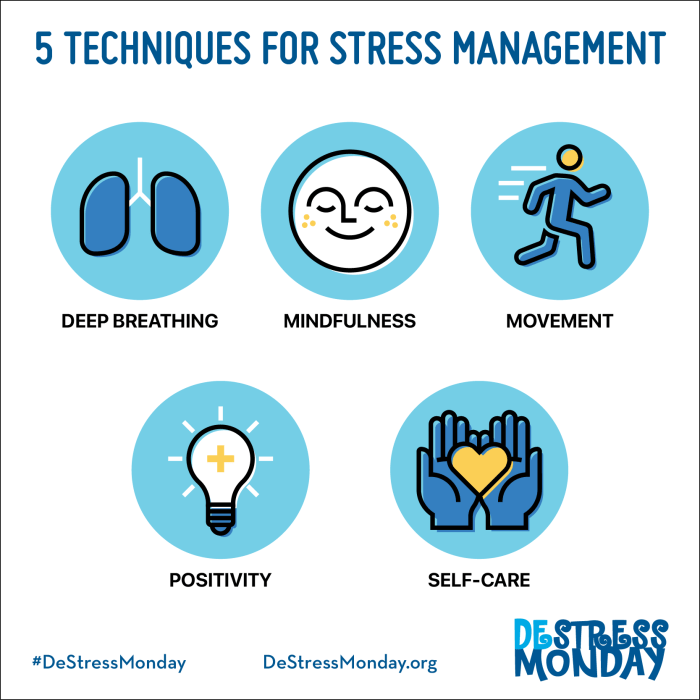
- Practice mindfulness and meditation: Taking time to relax and focus on the present moment can help reduce stress levels.
- Exercise regularly: Physical activity is a great way to relieve stress and improve overall well-being.
- Get enough sleep: Lack of sleep can contribute to increased stress levels, so make sure to prioritize good sleep hygiene.
- Connect with others: Maintaining strong social connections and seeking support from friends and family can help reduce stress.
- Engage in hobbies: Doing activities you enjoy can be a great way to unwind and take your mind off stressors.
Reducing Stress for Weight Management
Stress management is crucial for weight management because it can help prevent emotional eating and promote healthier habits. By incorporating stress-reducing techniques into your daily routine, you can create a more sustainable and effective approach to weight loss. Remember, taking care of your mental and emotional well-being is just as important as focusing on diet and exercise when it comes to achieving your weight loss goals.
Healthy Lifestyle
Maintaining a healthy lifestyle is crucial not only for weight loss but also for overall well-being. It involves a combination of nutritious eating, regular physical activity, adequate sleep, and stress management. By incorporating these essential components into your daily routine, you can achieve sustainable weight loss and improve your quality of life.
Essential Components of a Healthy Lifestyle
- Eating a balanced diet rich in fruits, vegetables, whole grains, lean proteins, and healthy fats.
- Engaging in regular exercise, such as cardio, strength training, and flexibility exercises.
- Prioritizing sleep and aiming for 7-9 hours of quality rest each night.
- Practicing stress management techniques like mindfulness, meditation, or deep breathing exercises.
- Staying hydrated by drinking an adequate amount of water throughout the day.
Daily Habits for a Healthier Lifestyle
- Meal prepping and planning to ensure nutritious choices throughout the week.
- Taking active breaks during the workday to stretch or walk around.
- Incorporating movement into daily activities, such as taking the stairs instead of the elevator.
- Limiting processed foods and sugary drinks in favor of whole, nutrient-dense options.
- Making time for hobbies and activities that bring joy and relaxation.
Benefits of a Healthy Lifestyle vs. Fad Diets
Adopting a healthy lifestyle leads to long-term weight management and improved overall health, while fad diets often result in temporary weight loss followed by regain.
A healthy lifestyle focuses on nourishing the body with essential nutrients, supporting sustainable weight loss and energy levels, unlike restrictive fad diets.
Regular exercise and stress management techniques are integral parts of a healthy lifestyle, promoting mental and emotional well-being in addition to physical health.
Medical Innovations
Medical innovations have been at the forefront of revolutionizing weight loss strategies in recent years. With advancements in technology, the way we approach weight management has drastically changed for the better. These innovations have not only made it easier for individuals to lose weight but have also significantly improved outcomes.
Role of Technology in Promoting Healthy Habits
Technology plays a crucial role in promoting healthy habits for weight management. From wearable fitness trackers to mobile apps that track calorie intake and provide personalized workout plans, technology has made it easier for individuals to monitor their progress and stay motivated. Additionally, the rise of telemedicine has allowed individuals to consult with healthcare professionals remotely, making weight loss more accessible to a wider population.
Specific Medical Advancements for Weight Loss
- Minimally Invasive Procedures: Innovations in minimally invasive procedures such as bariatric surgery have provided effective solutions for individuals struggling with severe obesity.
- Personalized Medicine: Genetic testing and personalized medicine have allowed healthcare providers to tailor weight loss plans to individual genetic profiles, maximizing effectiveness.
- Metabolic Therapies: Advancements in metabolic therapies, such as medications that target hunger hormones or increase metabolism, have shown promising results in aiding weight loss efforts.
- Behavioral Modification Tools: Technology-based tools like cognitive behavioral therapy apps have been developed to address the psychological aspects of weight management, helping individuals adopt healthier habits in the long term.
Nutritional Supplements
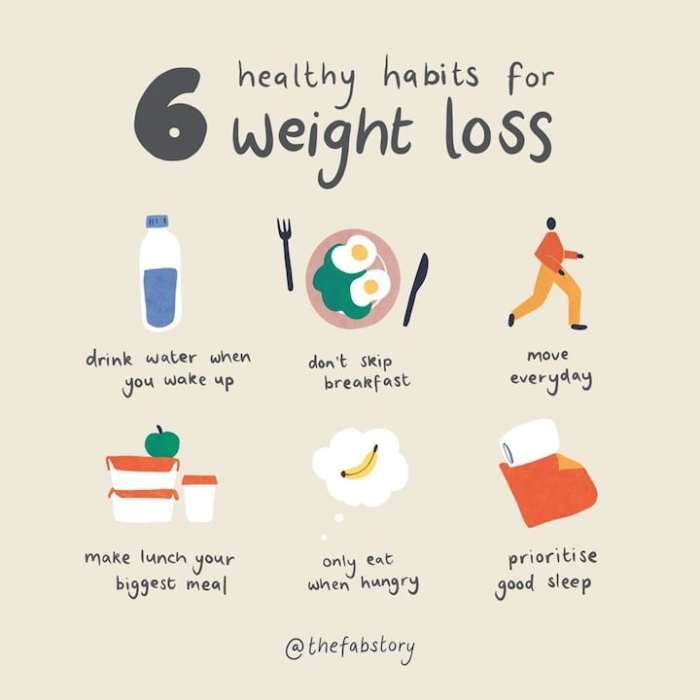
Healthy lifestyle habits for weight loss – When it comes to supporting weight loss goals, nutritional supplements play a crucial role in providing essential vitamins, minerals, and other nutrients that may be lacking in a person’s diet. These supplements can help fill nutritional gaps, boost metabolism, and support overall health and well-being.
Types of Beneficial Supplements
- Omega-3 fatty acids: Known for their anti-inflammatory properties and benefits for heart health, Omega-3 supplements can also aid in weight loss by reducing inflammation and supporting healthy metabolism.
- Probiotics: These supplements promote gut health and digestion, which can positively impact weight management and overall health.
- Vitamin D: Often deficient in many individuals, Vitamin D is important for bone health, immune function, and can also aid in weight loss by supporting metabolism.
- Green tea extract: Rich in antioxidants and known for its metabolism-boosting properties, green tea extract supplements can support weight loss efforts.
Importance of Consulting a Healthcare Professional
Before incorporating any nutritional supplements into your routine, it is crucial to consult with a healthcare professional or a registered dietitian. They can help assess your individual needs, recommend the right supplements, and ensure they do not interact with any medications or health conditions you may have. This personalized guidance can help you achieve your weight loss goals safely and effectively.
Fitness Routine
When it comes to weight loss, incorporating a personalized fitness routine is essential for achieving your goals. Regular exercise not only helps in burning calories but also plays a crucial role in maintaining a healthy weight in the long run.
Designing a Personalized Fitness Routine
Designing a fitness routine tailored to your specific needs and preferences is key to staying motivated and consistent. Consider including a mix of cardiovascular exercises, strength training, and flexibility exercises to target different muscle groups and improve overall fitness.
- Start by setting realistic goals based on your current fitness level and weight loss targets.
- Choose activities that you enjoy and that fit into your schedule to make it easier to stick to your routine.
- Include a variety of exercises to prevent boredom and work different parts of your body.
- Consult with a fitness professional to create a plan that is safe and effective for you.
Relationship Between Exercise and Weight Management
Regular exercise is crucial for weight management as it helps in burning calories, increasing metabolism, and building lean muscle mass. By incorporating a consistent workout routine, you can effectively support your weight loss efforts and improve overall health.
Effective Workouts for Weight Loss
Here are some examples of effective workouts that can help individuals looking to lose weight:
- High-intensity interval training (HIIT) – alternating between intense bursts of exercise and short rest periods to maximize calorie burn.
- Strength training – using weights or resistance bands to build muscle and increase metabolism.
- Cardio exercises – such as running, cycling, or swimming to improve cardiovascular health and burn calories.
- Yoga or Pilates – for improving flexibility, strength, and mental well-being.
Health Screenings: Healthy Lifestyle Habits For Weight Loss
Regular health screenings play a crucial role in maintaining a healthy weight and overall well-being. These screenings help in early detection of any health issues related to weight, allowing for timely intervention and prevention of complications.
Essential Screenings for Monitoring Weight-Related Health Indicators
- Body Mass Index (BMI) Measurement: BMI is a key indicator of whether your weight is in a healthy range based on your height. Regularly monitoring BMI can help in tracking weight changes over time.
- Blood Pressure Screening: High blood pressure can be a risk factor for various weight-related conditions such as heart disease and stroke. Regular blood pressure checks are essential for early detection and management.
- Cholesterol Levels Testing: Monitoring cholesterol levels is important as high cholesterol levels can increase the risk of heart disease, especially in individuals struggling with weight management.
- Blood Sugar Testing: Regular blood sugar screenings are crucial for detecting prediabetes or diabetes, which can be influenced by weight and lifestyle factors.
Preventing Weight-Related Complications through Early Detection
Regular health screenings can help in identifying potential health issues before they escalate into serious complications. Early detection through screenings allows for timely intervention, lifestyle modifications, and medical treatment to prevent weight-related health problems such as diabetes, cardiovascular diseases, and metabolic disorders.
Disease Prevention
Preventing diseases associated with obesity and overweight is crucial for overall health and well-being. By making healthy lifestyle choices, individuals can significantly reduce the risk of weight-related diseases.
Common Diseases Associated with Obesity and Overweight
- Heart Disease: Obesity increases the risk of heart disease due to high cholesterol levels, high blood pressure, and increased strain on the heart.
- Type 2 Diabetes: Being overweight can lead to insulin resistance and an increased risk of developing type 2 diabetes.
- Stroke: Obesity is a major risk factor for stroke, as it contributes to the build-up of plaque in the arteries.
- Certain Cancers: Obesity has been linked to an increased risk of developing cancers such as breast, colon, and kidney cancer.
Preventative Measures for Disease Prevention
- Healthy Diet: Eating a balanced diet rich in fruits, vegetables, whole grains, and lean proteins can help prevent weight-related diseases.
- Regular Exercise: Physical activity plays a key role in weight management and reducing the risk of obesity-related diseases.
- Stress Management: Chronic stress can contribute to weight gain and increase the risk of developing diseases, so practicing stress-reducing activities is important.
- Adequate Sleep: Lack of sleep has been linked to weight gain and an increased risk of obesity-related diseases, so ensuring sufficient rest is essential.
Sleep Hygiene
Sleep hygiene plays a crucial role in both weight loss efforts and overall health. Poor sleep habits can negatively impact metabolism, hormone regulation, and appetite control, making it harder to manage weight effectively.
Importance of Sleep Quality
Quality sleep is essential for weight management as it helps regulate hunger hormones like ghrelin and leptin, which can influence food cravings and intake. When we don’t get enough sleep, our body’s ability to process and store carbohydrates is affected, potentially leading to weight gain.
Tips for Improving Sleep Quality
- Aim for a consistent sleep schedule by going to bed and waking up at the same time every day.
- Create a relaxing bedtime routine to signal your body that it’s time to sleep, such as reading a book or taking a warm bath.
- Avoid stimulants like caffeine and electronics before bedtime to promote better sleep quality.
- Ensure your sleep environment is conducive to rest, with a comfortable mattress, pillows, and a cool, dark room.
Link Between Inadequate Sleep and Weight Gain
Research has shown that individuals who consistently get less than seven hours of sleep per night are more likely to experience weight gain and obesity. This is because insufficient sleep can disrupt the balance of hunger hormones and increase cravings for high-calorie foods.
Mental Clarity
Maintaining mental clarity is crucial when it comes to making healthier lifestyle choices, especially for weight loss goals. When our minds are clear and focused, we are better able to resist temptations, make mindful food choices, and stay motivated on our journey to a healthier weight.
Techniques for Enhancing Mental Clarity
- Adequate Sleep: Prioritize getting enough quality sleep each night to ensure your brain functions optimally.
- Meditation: Practice mindfulness meditation to calm the mind, reduce stress, and enhance mental focus.
- Regular Exercise: Physical activity releases endorphins that boost mood and cognitive function, promoting mental clarity.
- Healthy Diet: Consuming nutrient-dense foods rich in vitamins and minerals supports brain health and cognitive function.
Connection between Mental Well-being and Weight Management
Research has shown that mental well-being plays a significant role in successful weight management. When individuals are in a positive state of mind, they are more likely to make healthier choices, stick to their weight loss plan, and maintain long-term results. On the other hand, stress, anxiety, and mental fatigue can lead to emotional eating, poor food choices, and lack of motivation, hindering weight loss progress.
Hydration Importance
Proper hydration is essential for supporting weight loss and overall health. Water plays a crucial role in various bodily functions, including metabolism, nutrient absorption, and waste removal. Staying hydrated is key to maintaining a healthy body composition and promoting overall well-being.
Role of Hydration in Weight Loss, Healthy lifestyle habits for weight loss
- Drinking an adequate amount of water can help boost metabolism and reduce calorie intake by promoting a feeling of fullness.
- Proper hydration supports the body’s ability to break down fat stores and convert them into energy.
- Dehydration can often be mistaken for hunger, leading to unnecessary calorie consumption.
Maintaining Proper Hydration Levels
- Drink at least 8-10 glasses of water per day to ensure adequate hydration.
- Monitor urine color – pale yellow indicates proper hydration, while dark yellow may signal dehydration.
- Include hydrating foods like fruits and vegetables in your diet to supplement water intake.
Benefits of Staying Hydrated
- Improved digestion and nutrient absorption
- Enhanced physical performance and endurance
- Clearer skin and better overall complexion
FAQ Explained
How important is stress management in relation to weight loss?
Effective stress management is crucial as high stress levels can lead to weight gain and hinder weight loss progress.
Are fad diets more effective than adopting a healthy lifestyle for weight loss?
Adopting a healthy lifestyle is more sustainable and beneficial in the long run compared to following fad diets, which often result in short-term weight loss.
What role do fitness routines play in weight loss?
Designing a personalized fitness routine is essential for burning calories, building muscle, and achieving weight loss goals effectively.
How does hydration impact weight loss?
Proper hydration supports metabolism, digestion, and overall health, making it a key factor in successful weight management.
Why is mental clarity important for weight loss?
Maintaining mental clarity helps individuals stay focused on their weight loss goals and make healthier lifestyle choices consistently.