Benefits of HIIT Workouts for Fitness Routines
High-Intensity Interval Training (HIIT) offers a wide range of benefits for individuals looking to improve their overall fitness levels and achieve their health goals. Let’s delve into some of the key advantages of incorporating HIIT workouts into your fitness routine.
Improved Cardiovascular Health
HIIT workouts are known for their ability to significantly enhance cardiovascular health. The intense bursts of exercise followed by short periods of rest help to strengthen the heart and improve its efficiency. This can lead to a reduced risk of heart disease, lower blood pressure, and improved overall cardiovascular function.
Effective Calorie Burning and Weight Loss
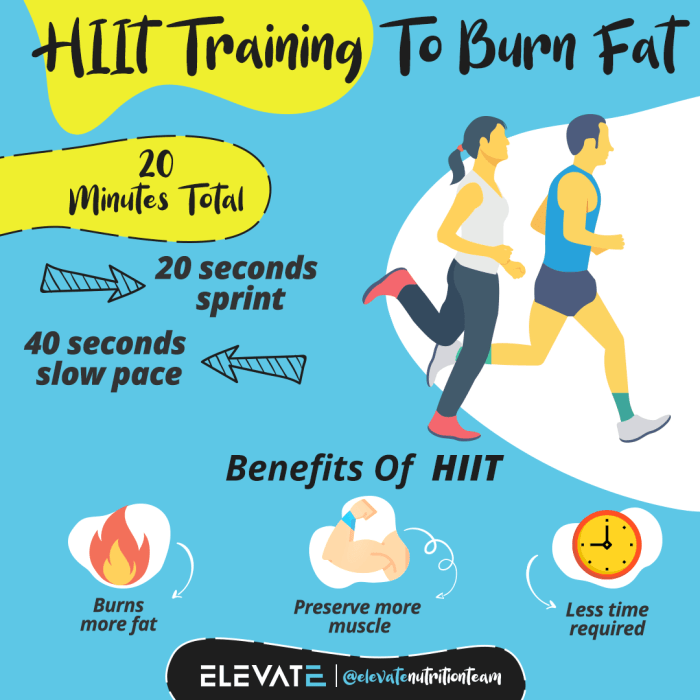
One of the most appealing aspects of HIIT is its effectiveness in burning calories and promoting weight loss. The high-intensity nature of the workouts allows individuals to burn a large number of calories in a shorter amount of time compared to traditional steady-state cardio exercises. This can help individuals achieve their weight loss goals more efficiently.
Increased Metabolism and Fat Loss
HIIT has been shown to increase metabolism not only during the workout but also for hours after the session has ended. This is known as the “afterburn effect” or excess post-exercise oxygen consumption (EPOC), where the body continues to burn calories at an elevated rate to recover from the intense workout. Additionally, HIIT can target stubborn fat stores, making it an effective method for promoting fat loss.
Enhanced Muscle Strength and Endurance
Incorporating HIIT workouts into your fitness routine can also help improve muscle strength and endurance. The combination of intense bursts of exercise with short recovery periods helps to challenge the muscles and stimulate growth. Over time, this can lead to increased muscle strength, endurance, and overall athletic performance.
These are just a few of the many benefits that HIIT workouts can offer for individuals looking to optimize their fitness routines and achieve their health and wellness goals.
Stress Management
Regular HIIT workouts can be highly effective in reducing stress levels and improving overall mental well-being. The intense bursts of activity followed by short rest periods in HIIT sessions can help release pent-up tension and provide a sense of accomplishment, leading to reduced stress and anxiety.
Relationship Between HIIT and Stress Reduction
- HIIT workouts can help distract the mind from daily stressors by focusing on the physical intensity of the exercises.
- The endorphins released during HIIT can act as natural mood elevators, promoting a sense of well-being and relaxation.
- Engaging in HIIT can also improve sleep quality, which is essential for stress management and overall mental health.
Role of Endorphins in Managing Stress
- Endorphins, often referred to as ‘feel-good’ hormones, are released during HIIT workouts, acting as natural painkillers and stress relievers.
- These endorphins can help combat the effects of stress hormones like cortisol, promoting a more balanced emotional state.
- Regular HIIT sessions can contribute to a more positive outlook on life and increased resilience to stressors.
HIIT Exercises for Stress Relief
- High Knees: Performing high knees at a fast pace can help elevate heart rate and release endorphins, reducing stress levels.
- Burpees: The combination of strength and cardio in burpees can offer a full-body workout and a release of tension, aiding in stress management.
- Mountain Climbers: This dynamic exercise engages multiple muscle groups and boosts endorphin production, promoting stress relief.
Healthy Lifestyle
Incorporating High-Intensity Interval Training (HIIT) into a fitness routine plays a crucial role in promoting a healthy lifestyle. Not only does it improve physical fitness, but it also has numerous benefits for mental and emotional well-being.
Importance of Balance
Finding the right balance between HIIT workouts and rest is essential for overall health. Overtraining can lead to burnout, injuries, and decreased performance. Rest days are crucial for muscle recovery and preventing fatigue. It’s important to listen to your body and give it the rest it needs to perform at its best.
Integrating HIIT with Healthy Habits
To maximize the benefits of HIIT, it’s important to integrate it with other healthy habits like nutrition and sleep. Fueling your body with the right nutrients before and after a workout can enhance performance and recovery. Getting an adequate amount of sleep is also crucial for muscle repair and overall well-being.
Mental and Emotional Well-being
HIIT workouts not only improve physical fitness but also have a positive impact on mental and emotional health. The release of endorphins during exercise can help reduce stress, anxiety, and symptoms of depression. Engaging in HIIT can boost confidence, improve mood, and enhance overall quality of life.
Medical Innovations
Benefits of HIIT workouts for fitness routines – As the integration of High-Intensity Interval Training (HIIT) continues to gain popularity in fitness routines, it is also making significant strides in the medical field. Healthcare professionals are recognizing the potential of HIIT in treating various medical conditions and improving overall health outcomes.
Cardiovascular Health
Studies have shown that HIIT can be highly effective in improving cardiovascular health by increasing aerobic capacity and reducing the risk of heart disease. Healthcare professionals are now incorporating HIIT into the treatment plans of patients with heart conditions to enhance their cardiac function and overall well-being.
Diabetes Management
Research has demonstrated that HIIT can help regulate blood sugar levels and improve insulin sensitivity in individuals with diabetes. Healthcare professionals are recommending HIIT as part of the treatment regimen for diabetic patients to better manage their condition and reduce the risk of complications.
Obesity and Weight Management
HIIT has been found to be a powerful tool in combating obesity and aiding in weight management. Healthcare professionals are encouraging individuals struggling with weight issues to incorporate HIIT into their fitness routines to increase calorie burn, improve metabolism, and achieve sustainable weight loss.
Technology Integration
Advancements in technology have revolutionized the way HIIT programs are delivered in healthcare settings. Wearable devices, fitness trackers, and mobile applications are being used to monitor patients’ progress, provide real-time feedback, and customize HIIT workouts to suit individual needs. This technology-enhanced approach is optimizing the effectiveness of HIIT interventions and facilitating better health outcomes for patients.
Nutritional Supplements: Benefits Of HIIT Workouts For Fitness Routines
Regular HIIT workouts can have a significant impact on the body’s need for certain nutritional supplements. These high-intensity exercises can deplete energy stores and increase the demand for specific nutrients to support muscle recovery and overall performance. Incorporating the right supplements into your diet can help optimize your results and enhance your HIIT sessions.
Role of Supplements in Enhancing Performance
Supplements play a crucial role in enhancing performance during HIIT sessions by providing the body with essential nutrients that may be lacking in your regular diet. For example, branched-chain amino acids (BCAAs) can help reduce muscle fatigue and improve endurance during intense workouts. Creatine supplements can also increase energy levels and muscle strength, allowing you to push harder during HIIT exercises.
Importance of a Balanced Diet
Maintaining a balanced diet is crucial when incorporating HIIT into a fitness routine. A well-rounded diet rich in lean proteins, complex carbohydrates, healthy fats, and a variety of fruits and vegetables can provide the necessary nutrients to support your workouts. Nutritional supplements should complement a healthy diet, not replace it, to ensure you are meeting all your nutritional needs for optimal performance.
Specific Supplements for HIIT Training
There are several specific supplements that can complement HIIT training for optimal results. In addition to BCAAs and creatine mentioned earlier, protein powder can help support muscle recovery and growth after intense workouts. Omega-3 fatty acids can reduce inflammation and improve cardiovascular health, while caffeine supplements can enhance focus and energy levels during HIIT sessions. It is essential to consult with a healthcare professional or a nutritionist before incorporating any new supplements into your routine to ensure they are safe and effective for your individual needs.
Fitness Routine
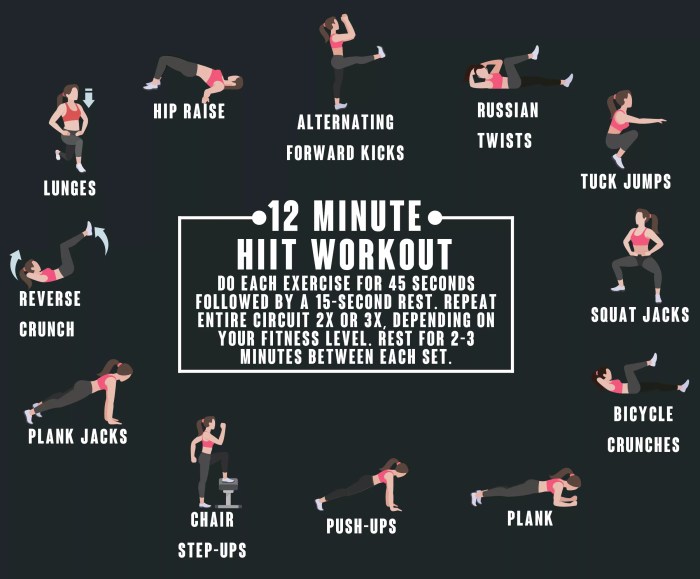
When structuring a HIIT workout routine for maximum benefits, it’s essential to consider factors like intensity, duration, and rest periods. Start with a warm-up to prepare your body for the high-intensity intervals, followed by alternating periods of intense exercise and rest or lower intensity. As you progress, you can increase the intensity or duration of the work intervals while adjusting the rest periods accordingly.
HIIT exercises are incredibly versatile and can be adapted to suit individuals with varying fitness levels. Beginners can start with modified versions of exercises and gradually increase the intensity as they build strength and endurance. Advanced individuals can incorporate more challenging movements or increase the speed and intensity of their intervals.
Examples of HIIT Routines
- Full-Body HIIT Workout: Combine exercises like burpees, mountain climbers, and jumping jacks to target multiple muscle groups and elevate your heart rate.
- Lower Body HIIT Routine: Focus on exercises like squats, lunges, and leg lifts to strengthen and tone your legs and glutes.
- Core HIIT Circuit: Incorporate planks, Russian twists, and bicycle crunches to engage your core muscles and improve stability.
Importance of Progression and Variety
Progression and variety are crucial in a HIIT routine to prevent plateaus and ensure continued improvements in fitness. Gradually increasing the intensity, duration, or complexity of exercises challenges your body and helps you avoid adaptation to the same routine. Incorporating different exercises and movement patterns also helps target various muscle groups and prevent overuse injuries.
Health Screenings
Regular health screenings are crucial for monitoring our overall well-being and catching any potential health issues early on. When it comes to incorporating HIIT workouts into your fitness routine, these high-intensity sessions can have a significant impact on the results of your health screenings.
Cardiovascular Health and Screening Outcomes
High-intensity interval training is known for its ability to improve cardiovascular health. By engaging in HIIT workouts regularly, you can strengthen your heart and improve blood flow throughout your body. This can lead to positive outcomes in your health screenings related to heart health, such as improved resting heart rate and better overall cardiovascular function.
Influence on Blood Pressure and Cholesterol Levels
HIIT workouts have been shown to help lower blood pressure and improve cholesterol levels. These changes can directly impact the results of your health screenings, showing improvements in these key markers of heart health. By incorporating HIIT into your fitness regimen, you can work towards maintaining healthy blood pressure and cholesterol levels.
Incorporating Health Screenings with HIIT
It is important to schedule regular health screenings alongside your HIIT workouts to track your progress and overall health. By monitoring key indicators like blood pressure, cholesterol levels, and other important health markers, you can ensure that your fitness routine is positively impacting your well-being. Consult with your healthcare provider to determine the frequency and specific screenings that are most beneficial for you.
Disease Prevention
Regular HIIT workouts play a crucial role in reducing the risk of various diseases and improving overall health. HIIT has been shown to have a positive impact on conditions like diabetes, heart disease, and obesity, making it an effective preventive measure for a range of health issues.
Impact on Diabetes
- HIIT workouts can help improve insulin sensitivity, leading to better blood sugar control.
- Regular HIIT sessions have been linked to lower blood sugar levels and reduced risk of developing type 2 diabetes.
- High-intensity intervals can aid in weight management, a key factor in diabetes prevention.
Impact on Heart Disease
- HIIT can improve cardiovascular health by strengthening the heart and reducing the risk of heart disease.
- The intense nature of HIIT workouts can help lower blood pressure and cholesterol levels.
- Regular HIIT sessions may decrease inflammation and improve overall heart function.
Impact on Obesity
- HIIT is an effective way to burn calories and fat, supporting weight loss efforts and reducing obesity risk.
- The metabolic boost from HIIT workouts can help increase resting metabolic rate, aiding in weight management.
- HIIT promotes the development of lean muscle mass, which can contribute to a higher metabolism and reduced risk of obesity-related complications.
Immune Function and Overall Health
- HIIT can boost immune function by reducing inflammation and oxidative stress in the body.
- Regular exercise, including HIIT, can enhance overall health and well-being, lowering the risk of infections and illnesses.
- The stress-reducing effects of HIIT workouts can have a positive impact on immune function and overall health.
Preventive Measure for Various Health Conditions
- HIIT workouts can serve as a preventive measure for a wide range of health conditions, from metabolic disorders to mental health issues.
- Engaging in HIIT regularly can help maintain a healthy weight, reduce inflammation, and improve overall fitness levels, all of which contribute to disease prevention.
- By incorporating HIIT into your fitness routine, you can proactively protect your health and reduce the risk of developing chronic diseases in the future.
Sleep Hygiene
Regular exercise, such as HIIT workouts, can have a significant impact on your sleep quality. By understanding the relationship between HIIT and improved sleep patterns, you can optimize your fitness routine for better rest.
Timing and Intensity
When it comes to HIIT workouts and sleep, the timing and intensity of your exercise sessions can play a crucial role in affecting your sleep patterns. High-intensity workouts close to bedtime may lead to difficulty falling asleep due to increased adrenaline levels. It is recommended to schedule your HIIT sessions earlier in the day to allow your body to wind down before bedtime.
Benefits of Regular Exercise
Engaging in regular exercise, such as HIIT, helps regulate your circadian rhythm, making it easier to fall asleep and stay asleep throughout the night. Exercise also promotes the release of endorphins, which can reduce stress and anxiety levels, further improving your sleep quality.
Tips for Incorporating HIIT
To enhance your sleep hygiene through HIIT workouts, consider the following tips:
– Schedule your HIIT workouts in the morning or early afternoon to avoid disrupting your sleep.
– Create a consistent exercise routine to establish a healthy sleep-wake cycle.
– Practice relaxation techniques, such as deep breathing or yoga, post-workout to help your body transition into a state of relaxation.
– Avoid caffeine and heavy meals close to bedtime to prevent sleep disturbances.
Mental Clarity
Regular HIIT workouts have been shown to have a positive impact on cognitive function and mental clarity. The high-intensity intervals combined with short rest periods not only improve physical fitness but also benefit mental well-being.
Enhanced Cognitive Function
HIIT workouts stimulate the release of endorphins and neurotransmitters like dopamine and serotonin, which are known to improve mood and reduce stress levels. These chemicals contribute to enhanced cognitive function, leading to increased mental clarity and focus.
- Endorphins act as natural painkillers and mood elevators, promoting a sense of well-being and mental alertness.
- Dopamine is associated with motivation, reward, and attention, enhancing cognitive function and decision-making skills.
- Serotonin helps regulate mood, sleep, and appetite, contributing to overall mental well-being and clarity.
Improved Focus and Concentration
The intense nature of HIIT workouts requires full concentration and focus, training the mind to stay present and engaged. This mental discipline transfers to daily tasks and challenges, leading to improved focus, concentration, and productivity.
- By pushing the body beyond its limits during HIIT, individuals learn to overcome mental barriers and stay focused on the task at hand.
- The fast-paced nature of HIIT routines keeps the mind engaged, preventing distractions and enhancing mental clarity.
Personal Experiences
Many individuals who regularly engage in HIIT workouts report feeling sharper, more alert, and mentally refreshed after each session. The sense of accomplishment and mental clarity gained from completing a challenging workout contributes to a positive mindset and improved cognitive function throughout the day.
“After incorporating HIIT into my fitness routine, I noticed a significant increase in my mental clarity and focus. The endorphin rush and sense of accomplishment after each workout have made a noticeable difference in my overall well-being.”
Hydration Importance
Proper hydration is crucial for maximizing the benefits of HIIT workouts and ensuring overall performance and recovery. Dehydration can significantly impact your ability to push through intense exercises and hinder your body’s ability to recover effectively.
Role of Electrolytes
Electrolytes play a key role in maintaining hydration levels during HIIT workouts. These essential minerals, such as sodium, potassium, and magnesium, help regulate fluid balance in the body and support muscle function. Including electrolyte-rich foods or drinks in your pre, during, and post-workout routine can help replenish what is lost through sweat and optimize your hydration levels.
Tips for Staying Hydrated, Benefits of HIIT workouts for fitness routines
- Drink water before, during, and after your HIIT workout to prevent dehydration and support performance.
- Consider incorporating electrolyte-rich sports drinks or coconut water to replenish lost minerals and maintain hydration levels.
- Monitor your urine color – pale yellow indicates proper hydration, while dark yellow may signal dehydration.
- Avoid excessive caffeine or alcohol consumption, as they can contribute to dehydration.
- Listen to your body’s thirst cues and drink water regularly throughout the day, not just during exercise.
User Queries
How often should I do HIIT workouts?
It is recommended to do HIIT workouts 2-3 times per week to allow for adequate recovery and maximize results.
Can beginners try HIIT workouts?
While HIIT can be intense, beginners can start with modified exercises and gradually increase intensity as they build endurance.
Will HIIT workouts help in losing belly fat?
Yes, HIIT workouts are effective in burning calories and promoting fat loss, including reducing stubborn belly fat.
Is it necessary to use equipment for HIIT workouts?
No, HIIT workouts can be done with bodyweight exercises or minimal equipment, making them accessible for everyone.