How to use mindfulness and meditation for effective stress management is a topic gaining increasing attention as we navigate the complexities of modern life. The practice of mindfulness, focusing on the present moment without judgment, and meditation, a technique for cultivating mental clarity, have been shown to have profound benefits for our physical and mental well-being.
This article delves into the science behind these practices, exploring how they work to reduce stress, improve emotional regulation, and enhance overall well-being.
Stress, a ubiquitous aspect of modern life, can manifest in various ways, affecting our physical health, mental clarity, and relationships. Mindfulness and meditation offer a powerful toolkit for managing stress, providing us with the tools to cultivate a sense of calm amidst the chaos.
By learning to observe our thoughts and emotions without judgment, we gain a greater understanding of our stress triggers and develop effective coping mechanisms.
Understanding Mindfulness and Meditation
Mindfulness and meditation are powerful tools for managing stress and improving overall well-being. They involve focusing on the present moment, cultivating awareness, and accepting thoughts and feelings without judgment. This approach can help reduce stress, enhance emotional regulation, and promote mental clarity.
The Fundamental Principles of Mindfulness and Meditation
Mindfulness and meditation share common principles that guide their practice. Mindfulness is the practice of paying attention to the present moment without judgment. It involves observing thoughts, feelings, sensations, and external stimuli with a non-reactive and accepting attitude. Meditation, on the other hand, is a practice of focusing the mind on a single object, such as the breath, a mantra, or a visualization.
It aims to cultivate a state of mental calmness and clarity.
The Science Behind Mindfulness and Meditation
Numerous studies have investigated the impact of mindfulness and meditation on the brain and body. Research suggests that these practices can:
- Reduce stress and anxiety: Mindfulness and meditation have been shown to decrease levels of cortisol, the stress hormone, and activate the parasympathetic nervous system, which promotes relaxation.
- Improve emotional regulation: By cultivating awareness of emotions, these practices help individuals identify and manage their feelings more effectively, reducing reactivity and promoting emotional stability.
- Enhance cognitive function: Studies have shown that mindfulness and meditation can improve attention, focus, memory, and cognitive flexibility.
- Promote compassion and empathy: By fostering a sense of self-awareness and understanding, these practices can cultivate empathy and compassion for oneself and others.
Practical Mindfulness Exercises
Mindfulness can be incorporated into daily life through simple exercises:
- Mindful breathing: Sit comfortably and focus on the sensation of your breath as it enters and leaves your body. Notice the rise and fall of your chest and abdomen.
- Body scan: Pay attention to different parts of your body, starting from your toes and moving upwards. Notice any sensations, such as warmth, tingling, or pressure.
- Mindful eating: While eating, focus on the taste, texture, and smell of your food. Chew slowly and savor each bite.
- Mindful walking: Pay attention to the sensation of your feet on the ground, the movement of your body, and the sights and sounds around you.
Step-by-Step Guide to Meditation for Stress Management
Here’s a step-by-step guide to practicing meditation for stress management:
- Find a quiet place: Choose a calm and comfortable environment where you won’t be disturbed.
- Sit comfortably: Sit in a chair or on the floor with your back straight and your shoulders relaxed. You can also lie down if you prefer.
- Focus on your breath: Close your eyes and gently bring your attention to your breath. Notice the sensation of each inhale and exhale.
- Observe your thoughts: As thoughts arise, acknowledge them without judgment. Gently guide your attention back to your breath.
- Practice regularly: Start with 5-10 minutes of meditation daily and gradually increase the duration as you become more comfortable.
Mindfulness for Stress Reduction
Mindfulness, a practice that involves paying attention to the present moment without judgment, has been shown to be an effective strategy for stress reduction. It helps us to become more aware of our thoughts, feelings, and sensations, allowing us to better understand and manage the stressors in our lives.
Mindfulness and Stress Reduction
Mindfulness helps reduce stress by interrupting the automatic, often negative, thought patterns that contribute to stress. It allows us to observe our thoughts and emotions without getting carried away by them, fostering a sense of detachment and reducing the intensity of stress responses.
By practicing mindfulness, we can develop a greater awareness of our stress triggers, enabling us to proactively manage them.
Identifying and Managing Stress Triggers, How to use mindfulness and meditation for effective stress management
Mindfulness provides a framework for identifying the specific situations, thoughts, or feelings that trigger stress. By paying close attention to our internal and external environment, we can become more aware of the patterns that precede stressful reactions. This awareness allows us to develop strategies for avoiding or modifying these triggers.
For example, if you notice that traffic jams trigger feelings of anxiety, you might plan your commute to avoid peak hours or listen to calming music to manage the stress.
Techniques for Regulating Emotions and Reducing Anxiety
Mindfulness techniques can be employed to regulate emotions and reduce anxiety. These techniques involve focusing attention on the present moment, observing thoughts and feelings without judgment, and engaging in activities that promote relaxation.
- Deep Breathing: Slow, deep breaths can help calm the nervous system and reduce feelings of anxiety. By focusing on the sensation of breath, we can shift our attention away from stressful thoughts and bring our body into a state of relaxation.
- Mindful Walking: Paying attention to the sensations of walking, such as the movement of your feet, the rhythm of your breath, and the feeling of the ground beneath you, can help to ground you in the present moment and reduce stress.
- Body Scan Meditation: This technique involves systematically focusing attention on different parts of the body, noticing any sensations without judgment. By becoming aware of bodily sensations, we can learn to recognize and manage stress-related physical symptoms.
Mindfulness Practices in Stressful Situations
Mindfulness practices can be incorporated into daily life to manage stress in various situations.
- During a stressful meeting: Take a few deep breaths and focus on your breath. Notice any physical sensations, such as tension in your shoulders or tightness in your chest. Gently guide your attention back to your breath, allowing yourself to remain calm and centered.
- When faced with a difficult task: Break down the task into smaller, manageable steps. Focus on completing one step at a time, paying attention to the present moment and avoiding dwelling on the overall workload.
- In the midst of a conflict: Take a moment to pause and observe your thoughts and emotions. Notice any physical sensations associated with stress, such as a racing heart or sweating palms. Choose to respond rather than react, allowing yourself to communicate effectively and resolve the conflict peacefully.
Meditation for Stress Relief: How To Use Mindfulness And Meditation For Effective Stress Management
Meditation, a practice rooted in ancient traditions, has gained widespread recognition for its ability to alleviate stress and promote well-being. It involves focusing the mind on a particular object, thought, or activity, allowing you to detach from distracting thoughts and cultivate a sense of calmness and inner peace.
Benefits of Meditation for Stress Relief
Meditation has been shown to have a profound impact on stress reduction. It can help:
- Reduce cortisol levels: Cortisol is a stress hormone that can have detrimental effects on the body when chronically elevated. Meditation has been shown to lower cortisol levels, promoting a sense of relaxation and reducing the negative impact of stress on your physical and mental health.
- Improve emotional regulation: By practicing mindfulness and focusing on the present moment, meditation can help you develop greater awareness of your emotions and learn to manage them more effectively. This can lead to increased emotional resilience and a reduced susceptibility to stress.
- Enhance sleep quality: Stress can significantly disrupt sleep patterns. Meditation, particularly before bed, can promote relaxation and improve sleep quality by calming the mind and reducing racing thoughts.
- Increase self-awareness: Meditation encourages introspection and self-reflection, allowing you to become more aware of your thoughts, feelings, and bodily sensations. This heightened self-awareness can help you identify triggers for stress and develop strategies for managing them effectively.
Types of Meditation Practices
Various meditation practices cater to different needs and preferences. Here are some popular techniques:
- Mindfulness meditation: This practice involves focusing your attention on the present moment without judgment. You observe your thoughts, feelings, and sensations as they arise, acknowledging them without getting carried away by them.
- Transcendental Meditation (TM): TM utilizes a specific mantra or sound to quiet the mind and induce a state of deep relaxation. It is a structured practice that typically involves two 20-minute sessions per day.
- Progressive muscle relaxation: This technique involves systematically tensing and relaxing different muscle groups in the body. It helps release physical tension and promote a sense of relaxation.
- Guided meditation: Guided meditations involve listening to a recording that leads you through a series of visualizations, affirmations, or breathing exercises. This can be particularly helpful for beginners as it provides structure and guidance.
Finding a Comfortable Meditation Posture
Finding a comfortable posture is crucial for effective meditation. Here are some tips:
- Sitting posture: Sit on a cushion or chair with your back straight but not rigid. Your feet should be flat on the floor, and your hands should rest comfortably in your lap.
- Lying down posture: If you find it difficult to sit for extended periods, you can lie down on your back with your arms by your side and your legs slightly apart. However, lying down may increase the risk of falling asleep.
- Walking meditation: This involves focusing on your breath and the sensations of your feet as you walk. It can be a good option for those who find it challenging to sit still.
Choosing the Right Meditation Technique
The best meditation technique for you will depend on your individual needs and preferences. Consider the following factors:
- Your personality and temperament: Some people find structured practices like TM more helpful, while others prefer the flexibility of mindfulness meditation.
- Your goals for meditation: If you’re primarily seeking stress relief, mindfulness or progressive muscle relaxation may be suitable. If you’re looking to improve focus and concentration, TM or guided meditations might be more effective.
- Your time commitment: Some meditation practices, like TM, require a specific time commitment, while others can be done for as little as five minutes.
Integrating Mindfulness and Meditation into Daily Life
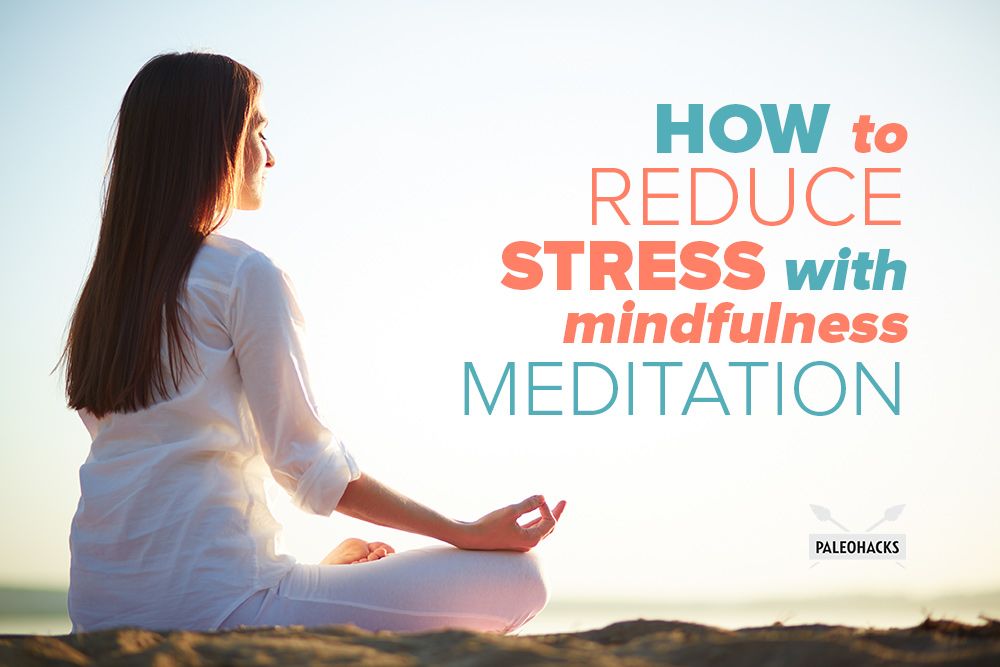
Making mindfulness and meditation a part of your daily life is like building a muscle; it takes practice and consistency. The more you incorporate these practices into your routine, the more you’ll benefit from their stress-reducing effects.
Strategies for Incorporating Mindfulness and Meditation into Daily Routines
Finding ways to weave mindfulness and meditation into your everyday activities is key to making them a habit.
- Start Small:Don’t try to do too much at once. Begin with short sessions of 5-10 minutes and gradually increase the duration as you feel comfortable.
- Choose a Time:Identify a time of day when you’re likely to be less distracted and can dedicate a few minutes to mindfulness or meditation. This might be first thing in the morning, during your lunch break, or before bed.
- Find a Quiet Space:While you can practice mindfulness anywhere, finding a quiet space can be helpful, especially when you’re starting out. This could be a designated meditation corner in your home, a park bench, or even a quiet corner of your office.
- Use a Timer:Setting a timer can help you stay focused and avoid getting lost in your thoughts. This can also help you track your progress and see how long you’re able to meditate or practice mindfulness for.
- Be Patient and Kind to Yourself:Mindfulness and meditation are practices, not achievements. There will be days when you find it challenging to focus or stay present. Don’t get discouraged. Simply return to your breath and try again.
Tips for Maintaining a Consistent Meditation Practice
Consistency is key to reaping the benefits of meditation.
- Set Realistic Goals:Don’t try to meditate for an hour every day if you’re just starting out. Begin with a few minutes each day and gradually increase the duration as you feel comfortable.
- Make it a Habit:Try to meditate at the same time each day, just like you would brush your teeth or eat breakfast. This will help you make it a regular part of your routine.
- Join a Group or Take a Class:Meditation groups and classes can provide support and accountability. They can also offer guidance and techniques to help you deepen your practice.
- Find a Meditation App:There are many meditation apps available that can provide guided meditations, timers, and other helpful features.
- Be Persistent:There will be times when you don’t feel like meditating. But even a few minutes of practice can make a difference. Don’t give up!
Examples of Mindfulness Practices That Can Be Integrated into Daily Life
Mindfulness can be incorporated into many aspects of your life.
- Work:During a stressful meeting, focus on your breath and observe your thoughts and feelings without judgment. Take mindful breaks throughout the day to stretch, walk, or simply observe your surroundings.
- Relationships:When you’re talking to someone, practice active listening by focusing on what they’re saying and paying attention to their body language.
- Eating:Pay attention to the taste, texture, and smell of your food. Notice how your body feels as you eat and savor each bite.
- Exercise:Focus on the sensations in your body as you move. Notice your breath and the rhythm of your movements.
Setting Realistic Goals and Expectations for Mindfulness and Meditation
It’s important to set realistic goals and expectations for mindfulness and meditation.
- Don’t Expect Perfection:Mindfulness and meditation are practices, not achievements. There will be days when you find it challenging to focus or stay present. Don’t get discouraged. Simply return to your breath and try again.
- Be Patient:It takes time to develop a mindfulness practice. Be patient with yourself and don’t expect to see results overnight.
- Focus on the Process:Rather than focusing on achieving a specific outcome, focus on the process of being present and mindful.
- Enjoy the Journey:Mindfulness and meditation can be a source of peace and joy. Enjoy the journey and appreciate the benefits that come with these practices.
Mindfulness and Stress Management in Different Contexts
Mindfulness and meditation are powerful tools for managing stress in various aspects of life, including work, relationships, and health challenges. They can help us cultivate a greater awareness of our thoughts, feelings, and bodily sensations, allowing us to respond to stressful situations with more clarity and resilience.
Mindfulness at Work
The workplace can be a significant source of stress, with demanding deadlines, interpersonal conflicts, and overwhelming workloads. Mindfulness can be a valuable resource for navigating these challenges.
- Mindful Breathing:Taking a few deep breaths throughout the day can help calm the nervous system and reduce feelings of overwhelm. Inhale deeply, hold for a few seconds, and exhale slowly.
- Mindful Movement:Incorporating short periods of mindful movement, such as stretching or walking, can help alleviate physical tension and promote relaxation. Pay attention to the sensations in your body as you move.
- Mindful Communication:Practicing mindful communication can help us express ourselves more effectively and resolve conflicts constructively. Focus on listening attentively to others and expressing your thoughts and feelings clearly and respectfully.
Mindfulness in Relationships
Relationships can be a source of both joy and stress. Mindfulness can help us cultivate greater empathy, compassion, and understanding in our interactions with others.
- Mindful Listening:When engaging in conversations with loved ones, practice active listening. Pay attention to their words, tone of voice, and body language, and try to understand their perspective.
- Mindful Communication:Expressing your thoughts and feelings clearly and respectfully is crucial for healthy relationships. When communicating with others, focus on being present and honest, while avoiding judgment or blame.
- Mindful Acceptance:Learning to accept our loved ones, including their imperfections, is essential for building strong and resilient relationships. Embrace their unique qualities and recognize that everyone has their own challenges.
Mindfulness and Health Challenges
Mindfulness can be particularly beneficial for managing stress associated with health challenges, such as chronic pain, illness, or recovery from surgery.
- Mindful Body Scan:Paying attention to the sensations in your body can help you become more aware of pain or discomfort. Focus on your breath and gently scan your body, noticing any areas of tension or discomfort.
- Mindful Acceptance:Accepting the reality of your health challenge, without judgment or resistance, can help you cope with difficult emotions and find a sense of peace.
- Mindful Gratitude:Focusing on the positive aspects of your life, even during challenging times, can help you cultivate a more optimistic outlook. Express gratitude for the things you are still able to do and the people who support you.
Stress Management: A Holistic Approach
Stress is an inevitable part of life, but it doesn’t have to control us. A holistic approach to stress management recognizes that stress is multifaceted and requires a multi-pronged strategy to effectively address it. This approach goes beyond simply managing symptoms and aims to create lasting change by addressing the root causes of stress and promoting overall well-being.
Mindfulness and meditation, as discussed earlier, play a crucial role in this holistic approach. They provide the foundation for cultivating a calm and centered mind, enhancing emotional regulation, and building resilience. However, they are not a standalone solution. They work synergistically with other healthy lifestyle practices to create a comprehensive and sustainable approach to stress management.
Stress Management Techniques for Identifying and Managing Stress Triggers
Identifying and managing stress triggers is crucial for preventing stress from spiraling out of control. By understanding what situations, thoughts, or emotions trigger stress responses, we can develop strategies to avoid, mitigate, or manage these triggers effectively.Here are some techniques for identifying and managing stress triggers:
- Stress Journaling:Keeping a daily journal to record stressful events, thoughts, and emotions can help identify patterns and recurring triggers. This awareness allows for proactive strategies to manage them.
- Mindful Observation:Paying close attention to physical sensations, thoughts, and emotions in the present moment can help identify subtle triggers that might otherwise go unnoticed. This practice can be particularly helpful in recognizing early signs of stress.
- Cognitive Restructuring:Challenging negative or unhelpful thought patterns associated with stress triggers can help break the cycle of stress. This involves reframing thoughts, identifying distorted thinking, and developing more realistic and positive perspectives.
- Stress Management Techniques:Incorporating techniques like deep breathing exercises, progressive muscle relaxation, or guided imagery can help manage the physical and emotional responses to stress triggers. These techniques can provide immediate relief and help regulate the body’s stress response system.
Healthy Lifestyle: Importance of Regular Exercise, Balanced Diet, and Adequate Sleep
A healthy lifestyle is fundamental to stress management. It provides the body and mind with the resources they need to cope with stress effectively.
- Regular Exercise:Physical activity releases endorphins, which have mood-boosting effects and help reduce stress hormones. Aim for at least 30 minutes of moderate-intensity exercise most days of the week. Engaging in activities you enjoy can enhance motivation and make exercise a more enjoyable part of your routine.
- Balanced Diet:Consuming a balanced diet rich in fruits, vegetables, whole grains, and lean protein provides the body with essential nutrients for optimal function. Avoiding processed foods, sugary drinks, and excessive caffeine can help stabilize blood sugar levels and reduce stress-related cravings.
- Adequate Sleep:Sleep is crucial for physical and mental restoration. Aim for 7-9 hours of quality sleep each night. Establishing a consistent sleep schedule, creating a relaxing bedtime routine, and optimizing your sleep environment can contribute to better sleep quality.
Last Word
Incorporating mindfulness and meditation into our daily lives can be a transformative journey, empowering us to navigate the challenges of modern life with greater ease and resilience. By cultivating a sense of presence and cultivating inner peace, we can unlock a deeper understanding of ourselves and experience a greater sense of well-being.
Whether you are seeking to reduce stress, improve focus, or simply enhance your overall quality of life, mindfulness and meditation offer a path towards greater balance and fulfillment.
General Inquiries
Is mindfulness the same as meditation?
While often used interchangeably, mindfulness is a state of being present and aware, while meditation is a practice that helps cultivate mindfulness. Meditation is a tool for achieving mindfulness.
How long does it take to see results from mindfulness and meditation?
The time it takes to experience benefits varies from person to person. Some people may notice a difference in their stress levels after just a few sessions, while others may need to practice consistently for several weeks or months.
What if I can’t sit still for meditation?
There are many different types of meditation, including walking meditation, mindful movement, and body scan meditation. Experiment with different techniques to find what works best for you.