Prebiotic Supplements for Digestive Health
Prebiotic supplements play a crucial role in supporting digestive health by providing the necessary food for beneficial bacteria in the gut, known as probiotics. These supplements contain non-digestible fibers that help nourish the gut microbiota, promoting a healthy balance of bacteria in the digestive system.
Best Sources of Prebiotics for Promoting Gut Health
Prebiotics can be found in various foods, with some of the best sources including:
- Chicory root: Rich in inulin, a type of prebiotic fiber that supports the growth of beneficial bacteria in the gut.
- Artichokes: Contain inulin and other prebiotic fibers that promote gut health.
- Garlic: Contains fructooligosaccharides (FOS), a prebiotic fiber that can help support the growth of probiotics.
- Onions: Rich in inulin and FOS, which act as prebiotics in the gut.
Benefits of Incorporating Prebiotic Supplements in One’s Diet
Including prebiotic supplements in one’s diet can offer a range of benefits, such as:
- Improved digestion: Prebiotics help support the growth of beneficial bacteria in the gut, which can aid in digestion and nutrient absorption.
- Enhanced immune function: A healthy gut microbiome is linked to a stronger immune system, and prebiotics can help promote a balanced gut flora.
- Reduced inflammation: By supporting a healthy gut environment, prebiotics may help reduce inflammation in the body.
Comparison of Different Types of Prebiotic Supplements Available
There are various types of prebiotic supplements available in the market, including:
- Inulin supplements: Derived from sources like chicory root, inulin is a popular prebiotic supplement known for its ability to support gut health.
- FOS supplements: Fructooligosaccharides are another common type of prebiotic supplement that can help nourish the gut microbiota.
- Galactooligosaccharides (GOS) supplements: GOS are prebiotic fibers that can also promote the growth of beneficial bacteria in the gut.
Stress Management
Stress can have a significant impact on gut health as it can disrupt the balance of gut microbiota, leading to digestive issues such as bloating, constipation, or diarrhea. Managing stress is crucial for maintaining a healthy gut and overall well-being.
The Gut-Brain Connection
The gut-brain axis is a bidirectional communication system between the gut and the brain, linking emotional and cognitive centers of the brain with peripheral intestinal functions. When you’re stressed, the brain sends signals to the gut that can alter its normal functioning, affecting digestion and nutrient absorption.
- Practice relaxation techniques such as deep breathing, meditation, or yoga to reduce stress levels and promote gut health.
- Engage in regular physical activity to release endorphins, which are mood-boosting hormones that can help alleviate stress and improve gut motility.
- Ensure an adequate amount of sleep to allow the body to rest and recover, as sleep deprivation can exacerbate stress levels and negatively impact gut health.
- Consider seeking professional help or counseling if stress levels are overwhelming and affecting your daily life.
Nutrition and Stress
Diet plays a crucial role in managing stress and promoting gut health. Certain foods can either exacerbate or alleviate stress levels, impacting the gut microbiota composition.
- Include prebiotic-rich foods such as garlic, onions, bananas, and asparagus in your diet to support the growth of beneficial gut bacteria.
- Consume probiotic foods like yogurt, kefir, or sauerkraut to maintain a healthy balance of gut microbiota, which can help reduce stress and anxiety.
- Avoid or limit the intake of processed foods, sugar, and caffeine, as they can negatively impact gut health and exacerbate stress levels.
- Stay hydrated by drinking an adequate amount of water throughout the day, as dehydration can increase stress and hinder digestion.
Healthy Lifestyle
Living a healthy lifestyle is crucial for maintaining optimal digestive health. When we take care of our bodies through proper nutrition, regular exercise, and sufficient sleep, we also support the functioning of our gut. A healthy lifestyle can help prevent digestive issues such as bloating, constipation, and diarrhea, while also promoting overall well-being.
Benefits of Adopting a Healthy Lifestyle for Gut Health
- Eating a balanced diet rich in fiber, fruits, vegetables, and probiotic-rich foods can promote the growth of beneficial bacteria in the gut, improving digestion.
- Regular physical activity can help regulate bowel movements and reduce the risk of gastrointestinal disorders.
- Adequate sleep is essential for gut health as it allows the body to repair and restore digestive functions overnight.
Tips for Supporting Gut Function through Healthy Lifestyle Choices
- Stay hydrated by drinking plenty of water throughout the day to aid in digestion and prevent constipation.
- Avoid processed foods high in sugar, fat, and artificial ingredients that can disrupt the balance of gut bacteria.
- Incorporate stress-reducing activities such as yoga, meditation, or deep breathing exercises to support a healthy gut-brain connection.
Relationship between Exercise, Sleep, and Nutrition in Maintaining Gut Health
Regular exercise, quality sleep, and a balanced diet work together to promote optimal gut health. Exercise helps stimulate digestion, while sleep allows the body to repair and regenerate cells, including those in the digestive system. Proper nutrition provides essential nutrients for gut bacteria to thrive and support overall digestive function.
Daily Routine for Overall Wellness and Digestive Health
Start your day with a nutritious breakfast, engage in physical activity throughout the day, and prioritize getting at least 7-8 hours of quality sleep each night to support gut health.
Medical Innovations
In recent years, medical innovations have significantly contributed to improving digestive health outcomes through the development of advanced technologies and treatments. These innovations have revolutionized the way we diagnose and treat digestive disorders, leading to more effective and personalized care for patients.
Microbiome Analysis
Best prebiotic supplements for digestive health – One of the groundbreaking technologies in the field of digestive health is microbiome analysis. This involves studying the complex community of microorganisms living in our gut, known as the microbiome, to understand its role in maintaining overall health. By analyzing the composition of the gut microbiome, healthcare providers can identify imbalances and tailor treatment plans to restore gut health.
Telemedicine for Digestive Disorders
Telemedicine has emerged as a convenient and efficient way to diagnose and manage digestive disorders remotely. Patients can now consult with gastroenterologists through virtual visits, allowing for timely interventions and continuity of care. This technology has improved access to specialized care for individuals in remote areas or with limited mobility.
Precision Medicine
Advancements in precision medicine have paved the way for personalized treatment approaches in digestive health. By considering an individual’s genetic makeup, lifestyle factors, and gut microbiome composition, healthcare providers can tailor therapies to target specific digestive disorders more effectively. This approach not only improves treatment outcomes but also reduces the risk of adverse effects.
Nutritional Supplements
When it comes to supporting digestive health, nutritional supplements play a crucial role in providing essential nutrients that may be lacking in our diets. Let’s explore how prebiotic supplements compare with other types of nutritional supplements and the key nutrients important for gut health.
Key Nutrients for Gut Health
Ensuring a healthy gut involves incorporating key nutrients that support digestive functions. Some essential nutrients for gut health include:
- Probiotics: Live bacteria that promote a healthy balance of gut flora.
- Fiber: Helps regulate bowel movements and supports the growth of beneficial bacteria.
- Prebiotics: Non-digestible fibers that serve as food for probiotics and promote their growth.
- Omega-3 fatty acids: Reduce inflammation in the gut and support overall digestive health.
Importance of Nutritional Supplements
Nutritional supplements can bridge the gap between our diet and the nutrients required for optimal gut health. Incorporating these supplements can help improve digestion, nutrient absorption, and overall well-being.
Choosing the Right Nutritional Supplements
When selecting nutritional supplements for digestive health, consider the following guidelines:
- Look for supplements with a diverse range of probiotic strains to support overall gut health.
- Choose supplements with prebiotics to nourish the beneficial bacteria in your gut.
- Opt for supplements that are free from unnecessary additives, fillers, and artificial ingredients.
- Consult with a healthcare provider or nutritionist to determine the best supplements for your specific needs.
Fitness Routine
Regular physical activity plays a crucial role in maintaining overall health, including gut health. Exercise can help improve digestion, reduce inflammation, and promote the growth of beneficial gut bacteria. Here, we will explore how different types of exercises can benefit digestive health and overall well-being.
Examples of Exercises for Digestive Health
- Cardiovascular exercises like running, cycling, or swimming can help boost metabolism and improve digestion.
- Yoga and Pilates are great for reducing stress, which can have a positive impact on gut health.
- Strength training exercises such as weightlifting or bodyweight exercises can help increase muscle mass and metabolism, promoting a healthy gut microbiota.
Connection Between Fitness, Metabolism, and Gut Microbiota
Regular physical activity not only helps improve metabolism but also influences the composition of gut microbiota. A balanced gut microbiome is essential for proper digestion and overall health. Exercise can help maintain this balance by promoting the growth of beneficial bacteria and reducing inflammation in the gut.
Designing a Fitness Routine for Digestion and Well-being
- Include a mix of cardiovascular, strength training, and flexibility exercises in your routine.
- Focus on activities that reduce stress, such as yoga or meditation, to support gut health.
- Aim for at least 150 minutes of moderate-intensity exercise per week for optimal digestive health.
Health Screenings
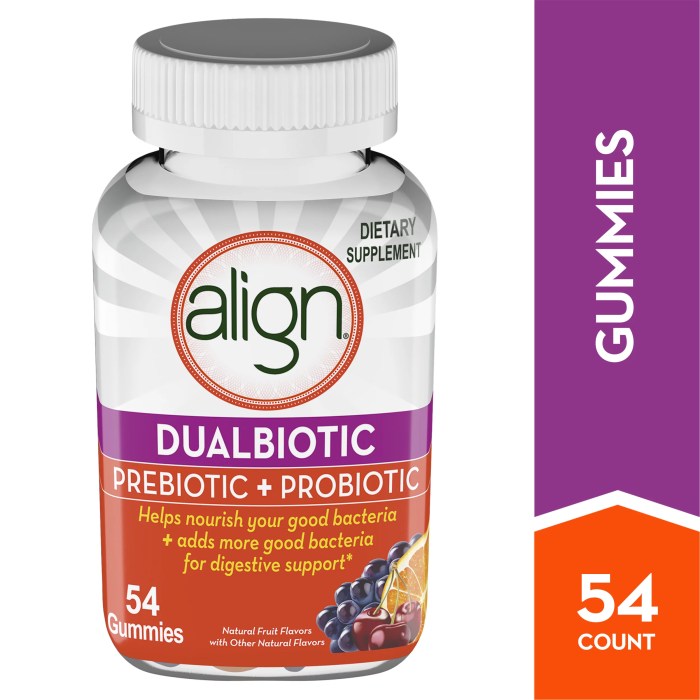
Regular health screenings play a crucial role in assessing and maintaining digestive health. These screenings help in early detection of potential issues and can significantly impact treatment outcomes.
Common Health Screenings for Digestive Health
- Colonoscopy: A procedure to examine the colon for abnormalities or signs of disease.
- Endoscopy: Allows doctors to see inside the digestive tract and detect issues like ulcers or inflammation.
- Stool Tests: Help identify digestive disorders, infections, or abnormalities in the gastrointestinal system.
Importance of Regular Health Screenings
Regular health screenings are essential in preventing digestive disorders by detecting problems at an early stage. Early detection can lead to timely intervention and effective treatment, improving overall gut health.
Early Detection and Its Impact on Treatment
Early detection through health screenings can significantly impact treatment outcomes for digestive disorders. It allows healthcare providers to intervene promptly, potentially preventing complications and improving the prognosis for patients.
Role of Health Screenings in Maintaining Optimal Gut Function, Best prebiotic supplements for digestive health
Health screenings play a vital role in maintaining optimal gut function by identifying any potential issues or abnormalities that may affect digestive health. By addressing these problems early on, individuals can take proactive steps to preserve gut health and overall well-being.
Disease Prevention
Preventing digestive disorders is essential for maintaining overall health and well-being. By making certain lifestyle changes and adopting healthy dietary habits, individuals can significantly reduce their risk of developing common digestive diseases.
Preventive Measures for Common Digestive Disorders
- Avoiding excessive consumption of high-fat, spicy, or processed foods.
- Incorporating fiber-rich foods such as fruits, vegetables, and whole grains into your diet.
- Drinking an adequate amount of water throughout the day to support digestion.
- Engaging in regular physical activity to promote healthy digestion.
Role of Early Detection in Disease Prevention
Early detection plays a crucial role in preventing digestive diseases as it allows for timely intervention and treatment. Regular health screenings and check-ups can help identify potential issues before they escalate into more serious conditions.
Successful Disease Prevention Strategies
- Implementing a balanced and nutritious diet tailored to individual needs.
- Maintaining a healthy weight through proper diet and exercise.
- Reducing stress levels through relaxation techniques such as meditation or yoga.
- Seeking medical advice promptly if experiencing persistent digestive symptoms.
Sleep Hygiene
Having good sleep hygiene is crucial for overall health, including digestive function. Poor sleep quality can negatively impact gut health and disrupt the balance of gut microbiota.
Connection between Sleep Quality and Gut Health
Maintaining a regular sleep schedule and getting enough restful sleep is essential for a healthy gut. Sleep deprivation can lead to a decrease in beneficial gut bacteria, increased inflammation, and a compromised immune system.
Tips for Improving Sleep Hygiene
- Avoid caffeine and heavy meals close to bedtime.
- Create a relaxing bedtime routine, such as reading or taking a warm bath.
- Ensure your sleep environment is comfortable, dark, and quiet.
- Avoid screens before bed and try to limit exposure to blue light.
Impact of Sleep Disorders on Gut Microbiota
Sleep disorders like insomnia or sleep apnea can disrupt the balance of gut bacteria and contribute to gastrointestinal issues. Chronic sleep deprivation can also increase the risk of conditions like obesity, diabetes, and heart disease.
Designing a Bedtime Routine for Better Sleep and Digestion
- Establish a consistent sleep schedule and aim for 7-9 hours of quality sleep each night.
- Practice relaxation techniques like deep breathing or meditation before bed.
- Avoid stimulating activities or stressful situations close to bedtime.
- Consider incorporating prebiotic-rich foods like bananas, garlic, and onions into your evening snack.
Mental Clarity
Mental well-being plays a crucial role in digestive health. The connection between stress, anxiety, and gut function is profound, impacting the body’s ability to digest food properly and absorb nutrients. Enhancing mental clarity can significantly improve digestion and overall gut health. Practicing mindfulness techniques can help alleviate stress and promote a healthy gut environment.
Techniques for Enhancing Mental Clarity
- Practice deep breathing exercises to reduce stress levels and promote relaxation.
- Engage in regular physical activity to boost endorphins and improve mood.
- Get an adequate amount of sleep each night to support cognitive function and mental clarity.
- Try meditation or yoga to calm the mind and reduce anxiety levels.
Hydration Importance: Best Prebiotic Supplements For Digestive Health

Maintaining optimal hydration is crucial for supporting a healthy digestive system and overall well-being. Water plays a vital role in various bodily functions, including digestion and nutrient absorption. Dehydration can have negative effects on gut function, leading to issues like constipation and bloating.
Role of Hydration in Digestive Health
- Water helps in the breakdown of food and the absorption of nutrients in the digestive tract.
- Proper hydration aids in the movement of food through the digestive system, preventing constipation.
- Drinking enough water ensures that the mucosal lining of the intestines remains intact, promoting optimal nutrient absorption.
Benefits of Staying Hydrated
- Improved digestion and regular bowel movements.
- Reduced risk of constipation, bloating, and gastrointestinal issues.
- Supports the body’s natural detoxification processes.
Impact of Dehydration on Digestion
- Dehydration can slow down the digestive process, leading to irregular bowel movements.
- Lack of water can cause the mucosal lining in the intestines to become less effective, affecting nutrient absorption.
- Digestive enzymes may not function optimally in a dehydrated state, hindering the breakdown of food.
Guidelines for Optimal Daily Water Intake
- General recommendation: 8-10 glasses of water per day, but individual needs may vary based on activity level, climate, and health conditions.
- Monitor urine color: Aim for pale yellow to clear urine as an indicator of adequate hydration.
- Include hydrating foods like fruits and vegetables in your diet to supplement water intake.
Quick FAQs
What are prebiotic supplements and how do they support digestive health?
Prebiotic supplements contain specialized fibers that promote the growth of beneficial bacteria in the gut, improving digestion and nutrient absorption.
How can I incorporate prebiotic supplements into my diet effectively?
You can add prebiotic-rich foods like garlic, onions, bananas, and chicory root to your meals or opt for prebiotic supplements in powder or capsule form.
Are there any side effects of taking prebiotic supplements for digestive health?
While most people tolerate prebiotic supplements well, some may experience mild digestive issues like bloating or gas initially. It’s essential to start with small doses and gradually increase intake.