Importance of Colon Cancer Health Screenings
Regular colon cancer health screenings are vital for early detection as they can identify any abnormalities in the colon before symptoms appear. Early detection increases the chances of successful treatment and improves overall outcomes for patients.
Benefits of Early Detection
- Increased chances of successful treatment
- Improved survival rates
- Prevention of cancer progression
Recommended Frequency and Age for Screenings
Importance of colon cancer health screenings – It is recommended to start colon cancer screenings at the age of 45 for average-risk individuals. Screening frequency may vary depending on the type of test used and individual risk factors. Consult with your healthcare provider to determine the best screening schedule for you.
Stress Management
Stress can have a significant impact on overall health, affecting both physical and mental well-being. Chronic stress can weaken the immune system, increase inflammation in the body, and contribute to the development of various health conditions.
Effective stress management strategies are essential in maintaining good health. Some ways to manage stress include:
Healthy Lifestyle Choices
- Regular exercise: Physical activity helps reduce stress hormones and increase endorphins, which are natural mood lifters.
- Healthy diet: Eating a well-balanced diet rich in fruits, vegetables, whole grains, and lean proteins can help support overall health and reduce stress.
- Adequate sleep: Getting enough quality sleep is crucial for managing stress and allowing the body to recover.
- Relaxation techniques: Practices such as deep breathing, meditation, and yoga can help calm the mind and reduce stress levels.
Social Support and Connection
- Building strong social connections with friends and family can provide emotional support and reduce feelings of isolation, which can contribute to stress.
- Seeking professional help: Talking to a therapist or counselor can offer valuable insights and coping strategies for managing stress effectively.
Stress Management and Disease Prevention
Effective stress management plays a crucial role in reducing the risk of diseases like colon cancer. Chronic stress can weaken the immune system and create an environment in the body that promotes inflammation and cell damage, potentially increasing the chances of developing cancer.
By incorporating stress management techniques into daily life, individuals can support their overall health and well-being, reducing the risk of various diseases, including colon cancer.
Healthy Lifestyle
Maintaining a healthy lifestyle is crucial for overall well-being and can significantly reduce the risk of various health conditions. This includes incorporating healthy habits into daily routines such as following a balanced diet and engaging in regular physical activity.
Role of Diet and Exercise
- Eating a diet rich in fruits, vegetables, whole grains, lean proteins, and healthy fats can provide essential nutrients and help maintain a healthy weight.
- Regular exercise, such as cardiovascular activities, strength training, and flexibility exercises, can improve heart health, boost mood, and enhance overall fitness levels.
- Combining a nutritious diet with regular physical activity can lower the risk of chronic diseases like heart disease, diabetes, and certain types of cancers.
Tips for Incorporating Healthy Habits
- Plan and prepare meals in advance to ensure healthy eating choices throughout the week.
- Stay hydrated by drinking an adequate amount of water daily.
- Set specific fitness goals and create a workout schedule to stay motivated and consistent with exercise.
- Aim for at least 150 minutes of moderate-intensity exercise per week, as recommended by health guidelines.
- Avoid processed foods, sugary beverages, and excessive salt intake to maintain a healthy diet.
Medical Innovations
In recent years, there have been significant advancements in colon cancer screening technologies that have revolutionized the way we detect and treat this disease. These innovations have greatly improved the accuracy and efficiency of screenings, leading to early detection and better outcomes for patients.
Advancements in Colon Cancer Screening Technologies
- Virtual Colonoscopy: This non-invasive imaging technique uses CT scans to create detailed 3D images of the colon, allowing doctors to detect polyps and abnormalities without the need for a traditional colonoscopy.
- DNA Stool Tests: These tests analyze DNA markers in the stool to detect genetic mutations associated with colon cancer, providing a convenient and cost-effective screening option.
- Advanced Endoscopic Imaging: Technologies such as narrow-band imaging and confocal laser endomicroscopy enhance the visualization of the colon during a traditional colonoscopy, improving the detection of precancerous lesions.
Nutritional Supplements
When it comes to supporting colon health, nutritional supplements play a crucial role in providing essential vitamins, minerals, and other nutrients that may be lacking in our diets. These supplements can help reduce the risk of colon cancer and promote overall digestive health.
Specific Supplements for Colon Health
- Calcium: Studies have shown that calcium may help reduce the risk of developing polyps in the colon, which can potentially lead to cancer.
- Vitamin D: Adequate levels of vitamin D have been linked to a lower risk of colon cancer. It helps in maintaining healthy cell growth and function.
- Fiber: Fiber supplements can aid in promoting regular bowel movements and reducing inflammation in the colon, which can lower the risk of colorectal cancer.
Guidelines for Choosing Nutritional Supplements
- Consult a healthcare provider: Before starting any new supplement regimen, it is important to consult with a healthcare provider to ensure it is safe and appropriate for your individual needs.
- Look for quality products: Choose supplements from reputable brands that undergo third-party testing to ensure quality and purity.
- Avoid excess doses: Stick to recommended dosages and avoid consuming excessive amounts of supplements, as this can have negative health effects.
Fitness Routine
Regular physical activity is crucial for maintaining overall health and well-being. Not only does it help in managing weight, reducing the risk of chronic diseases, and improving mental health, but it also plays a significant role in preventing colon cancer. By incorporating a balanced fitness routine into your daily life, you can take proactive steps towards a healthier future.
Importance of Regular Physical Activity, Importance of colon cancer health screenings
Regular physical activity is essential for overall health as it helps in:
- Improving cardiovascular health and reducing the risk of heart disease
- Boosting metabolism and aiding in weight management
- Strengthening muscles and bones, reducing the risk of osteoporosis
- Enhancing mood and reducing stress levels
Tips for Creating a Balanced Fitness Routine
Creating a balanced fitness routine involves:
- Incorporating a mix of cardiovascular exercises, strength training, and flexibility exercises
- Setting realistic goals and gradually increasing intensity and duration
- Choosing activities that you enjoy to ensure consistency
- Listening to your body and allowing for proper rest and recovery
How Exercise Can Reduce the Risk of Colon Cancer
Regular exercise has been linked to a reduced risk of colon cancer due to:
- Improving digestion and reducing the time it takes for food to pass through the colon
- Regulating insulin levels and reducing inflammation in the body
- Boosting the immune system and enhancing the body’s ability to fight off cancer cells
- Promoting overall health and well-being, which can contribute to a lower risk of developing cancer
Health Screenings
Regular health screenings play a crucial role in preventive care, helping to detect potential health issues before they escalate. By undergoing screenings on a routine basis, individuals can take proactive steps towards maintaining their overall well-being.
Types of Health Screenings
- Blood Pressure Screening: This simple test helps in identifying high blood pressure, a common risk factor for heart disease and stroke.
- Cholesterol Screening: By measuring cholesterol levels, individuals can assess their risk of heart disease and make necessary lifestyle changes.
- Diabetes Screening: Regular blood sugar tests are recommended, especially for individuals with a family history of diabetes or those exhibiting symptoms.
- Colorectal Cancer Screening: Screening tests like colonoscopies can detect precancerous polyps early on, potentially preventing the development of colon cancer.
- Mammograms and Pap Smears: These screenings are vital for early detection of breast and cervical cancer in women, leading to better treatment outcomes.
Disease Prevention
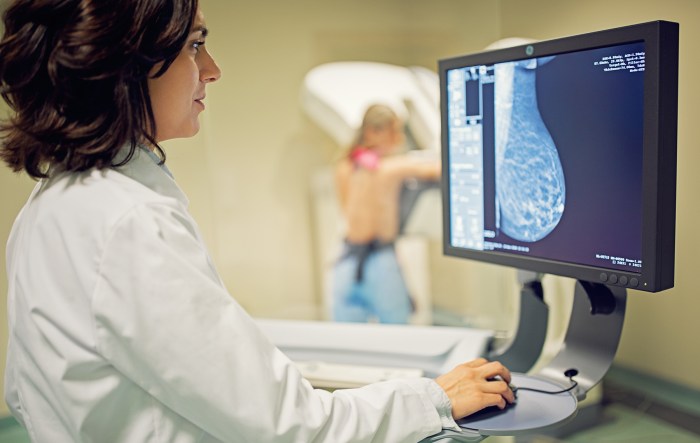
Preventing diseases like colon cancer is crucial for maintaining overall health and well-being. Lifestyle choices play a significant role in disease prevention, and individuals can take proactive measures to reduce their risk.
Strategies for Disease Prevention
Preventive measures can significantly impact the likelihood of developing diseases like colon cancer. Here are some strategies individuals can implement:
- Adopting a healthy diet rich in fruits, vegetables, whole grains, and lean proteins.
- Engaging in regular physical activity to maintain a healthy weight and reduce inflammation.
- Avoiding tobacco and excessive alcohol consumption to lower cancer risk.
- Getting regular health screenings and check-ups to detect any potential issues early.
- Managing stress through relaxation techniques like meditation or yoga.
Sleep Hygiene
Good sleep hygiene is crucial for overall health as it plays a vital role in maintaining physical, mental, and emotional well-being. Proper sleep hygiene practices can improve sleep quality and duration, leading to better concentration, mood, and overall productivity.
Importance of Good Sleep Hygiene
- Avoid stimulants like caffeine and nicotine close to bedtime.
- Establish a regular sleep schedule and bedtime routine.
- Create a comfortable sleep environment with a cool, dark, and quiet room.
- Avoid heavy meals and vigorous exercise close to bedtime.
- Limit exposure to screens and electronic devices before sleep.
Relationship between Sleep Deprivation and Health Risks
- Chronic sleep deprivation can weaken the immune system, making individuals more susceptible to infections.
- Lack of sleep has been linked to an increased risk of heart disease, diabetes, obesity, and other chronic conditions.
- Poor sleep can negatively impact cognitive function, memory, and decision-making abilities.
- Sleep deprivation can lead to mood disorders such as anxiety and depression.
Mental Clarity
Mental clarity plays a crucial role in our overall well-being, impacting our decision-making abilities, stress management, and overall quality of life. When our minds are clear and focused, we are better equipped to handle challenges and navigate through our daily tasks with efficiency.
Benefits of Mental Clarity
- Improved focus and concentration: Mental clarity allows us to concentrate better on tasks at hand, leading to increased productivity.
- Enhanced problem-solving skills: A clear mind can help us analyze situations more effectively and come up with creative solutions.
- Reduced stress and anxiety: When our thoughts are organized and clear, we are better able to manage stress and anxiety levels.
- Enhanced memory and cognitive function: Mental clarity can boost memory retention and overall cognitive function.
Techniques for Enhancing Mental Clarity
- Practice mindfulness and meditation: Mindfulness techniques can help calm the mind and improve focus.
- Get regular exercise: Physical activity can enhance cognitive function and promote mental clarity.
- Ensure adequate sleep: Quality sleep is essential for mental clarity and overall brain function.
- Avoid multitasking: Focusing on one task at a time can improve mental clarity and productivity.
Impact on Decision-Making and Stress Management
- Mental clarity allows for better decision-making by enabling us to weigh options and consequences more effectively.
- Clear thinking reduces the impact of stress on our minds and bodies, leading to improved stress management.
- When our minds are clear, we are less likely to make impulsive decisions driven by emotions, resulting in more rational choices.
Hydration Importance: Importance Of Colon Cancer Health Screenings

Maintaining proper hydration is crucial for overall health and well-being. Adequate water intake plays a vital role in supporting various bodily functions and ensuring optimal performance.
Daily Water Intake Guidelines
- On average, it is recommended to drink about 8-10 cups of water per day for adults to stay hydrated.
- Factors such as physical activity, climate, and individual health conditions may require adjustments to the daily water intake.
Benefits of Proper Hydration
- Regulates body temperature and prevents overheating.
- Supports digestion and nutrient absorption.
- Flushes out toxins and waste products from the body.
- Keeps joints lubricated and reduces the risk of injuries.
- Improves skin health and overall appearance.
FAQ Guide
How often should I get a colon cancer screening?
It is recommended to start regular screenings at the age of 45 and continue as advised by your healthcare provider.
Can early detection through screenings prevent colon cancer?
Yes, early detection can lead to timely treatment and significantly improve outcomes in managing colon cancer.
Are there any lifestyle changes that can reduce the risk of colon cancer?
Maintaining a healthy lifestyle with a balanced diet, regular exercise, and avoiding tobacco can help lower the risk of colon cancer.