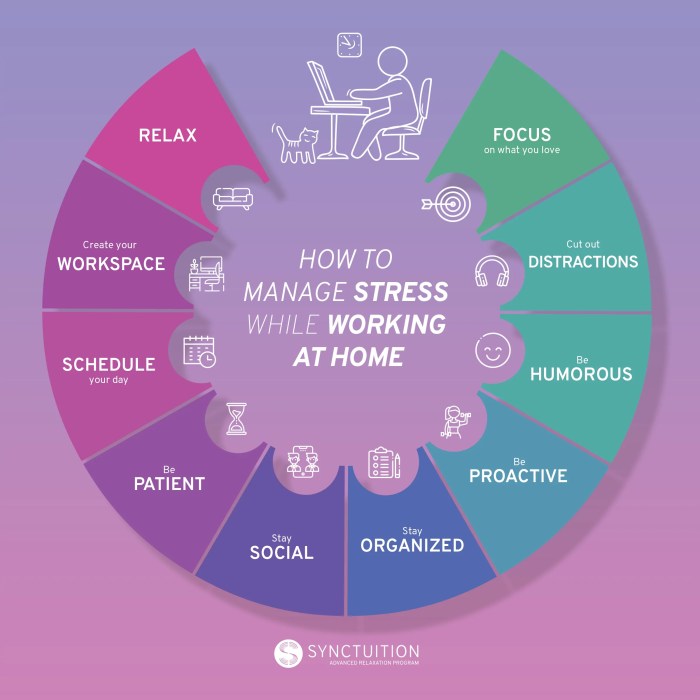
Stress Management Tips for Remote Workers
Stress management tips for remote workers – Remote work offers flexibility and convenience, but it can also bring unique challenges, such as increased stress levels. It is crucial for remote workers to prioritize stress management to maintain their well-being and productivity.
Creating a Conducive Work Environment at Home
Setting up a designated workspace in your home can help create boundaries between work and personal life. Ensure your workspace is comfortable, well-lit, and organized to boost focus and productivity.
- Position your desk near a window for natural light.
- Invest in a comfortable chair and ergonomic desk setup.
- Minimize distractions by keeping your workspace clutter-free.
Benefits of Setting Boundaries
Establishing clear boundaries between work hours and personal time is essential for remote workers to prevent burnout and maintain a healthy work-life balance.
- Set specific work hours and stick to them to avoid overworking.
- Communicate your availability to colleagues and clients to manage expectations.
- Create a routine that includes breaks to relax and recharge throughout the day.
Healthy Lifestyle
Maintaining a healthy lifestyle is essential for effective stress management, especially for remote workers who may face unique challenges in balancing work and personal life. By incorporating healthy habits into their daily routine, remote workers can improve their overall well-being and better cope with stress.
Impact of Nutrition
Nutrition plays a crucial role in managing stress levels. Eating a balanced diet rich in fruits, vegetables, whole grains, and lean proteins can provide the necessary nutrients to support mental and physical health. Avoiding excessive caffeine, sugar, and processed foods can help regulate energy levels and mood, reducing the risk of stress-related issues.
Importance of Exercise
Regular physical activity is another key component of a healthy lifestyle. Exercise not only helps to reduce stress by releasing endorphins, but it also improves overall fitness and boosts confidence. Remote workers can incorporate simple exercises like stretching, yoga, or brisk walks into their daily schedule to stay active and refreshed throughout the day.
Self-Care Practices
Self-care activities are essential for maintaining mental and emotional well-being. Taking breaks, practicing mindfulness or meditation, and engaging in hobbies or leisure activities can help remote workers unwind and recharge. Setting boundaries between work and personal time, establishing a consistent sleep schedule, and prioritizing self-care are vital aspects of stress management for remote workers.
Medical Innovations: Stress Management Tips For Remote Workers
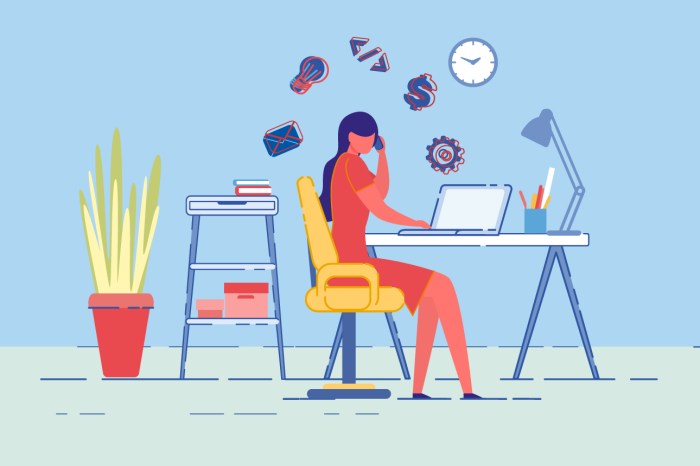
Medical innovations play a crucial role in supporting remote workers in managing stress. Through advancements in telemedicine and virtual healthcare services, individuals can access professional help and support from the comfort of their own homes. Wearable health technology also contributes to monitoring and improving health outcomes, providing valuable insights into physical well-being.
Telemedicine and Virtual Healthcare Services
Telemedicine and virtual healthcare services have revolutionized the way individuals receive medical care. Remote workers can now consult with healthcare providers, therapists, and specialists through video calls, phone consultations, and online platforms. This accessibility eliminates the need for in-person visits, saving time and reducing stress associated with commuting to appointments.
Wearable Health Technology
Wearable health technology, such as smartwatches and fitness trackers, enables remote workers to track their physical activity, heart rate, sleep patterns, and other vital signs. By monitoring these metrics, individuals can gain a better understanding of their health status and make informed decisions to improve their well-being. Wearable devices also provide real-time feedback and reminders to encourage healthy habits and lifestyle changes.
Nutritional Supplements
Nutritional supplements play a vital role in supporting stress management by providing essential vitamins, minerals, and other nutrients that can help the body cope with the effects of stress.
Examples of Supplements for Stress Management
- Omega-3 fatty acids: Known for their anti-inflammatory properties, omega-3 fatty acids found in fish oil can help reduce anxiety and improve mood.
- Magnesium: This mineral is crucial for relaxation and can help alleviate symptoms of stress and anxiety.
- Vitamin B complex: B vitamins are important for energy production and can help combat fatigue and improve focus during stressful periods.
It is important to note that while nutritional supplements can be beneficial, it is crucial to consult a healthcare professional before incorporating them into your routine. This is especially important if you have any underlying health conditions or are taking medications that may interact with certain supplements.
Fitness Routine
As a remote worker, it’s important to establish a fitness routine to stay healthy and reduce stress. Regular exercise not only boosts productivity but also improves overall well-being.
Benefits of Regular Exercise
- Regular exercise helps in reducing stress levels by releasing endorphins, also known as ‘feel-good hormones’.
- Physical activity improves focus and concentration, leading to increased productivity during work hours.
- Exercise promotes better sleep patterns, which are essential for overall mental and physical health.
- Maintaining a fitness routine can enhance mood and reduce feelings of anxiety or depression.
Simple Exercises at Home
- Bodyweight exercises like push-ups, squats, and lunges can be done without any equipment and are effective in strengthening muscles.
- Yoga or pilates routines are great for improving flexibility, balance, and reducing tension in the body.
- Skipping rope or jumping jacks are excellent cardiovascular exercises that can be done in a small space.
- Taking short walking breaks or doing desk stretches throughout the day can help in combating the negative effects of prolonged sitting.
Health Screenings
Regular health screenings are crucial for remote workers to monitor their health status and detect any potential issues early on. Preventive healthcare measures can significantly aid in the early detection of health issues, allowing for timely intervention and treatment.
Importance of Regular Health Screenings
- Regular health screenings help in identifying any underlying health problems before they escalate.
- Early detection through screenings can lead to more effective treatment and better health outcomes.
- Screenings provide valuable information that can guide individuals in making informed decisions about their health and lifestyle.
Guidance for Scheduling and Conducting Health Screenings
- Consult with a healthcare provider to determine which screenings are appropriate based on age, gender, and personal health history.
- Set reminders or schedule regular screenings in advance to ensure they are not overlooked.
- Utilize telemedicine options for virtual consultations and follow-ups to make the process more convenient for remote workers.
- Consider at-home screening kits for certain tests that can be done independently and sent to a lab for analysis.
Disease Prevention
In today’s fast-paced world, disease prevention is crucial, especially for remote workers who may have limited access to healthcare services. By taking proactive steps to prevent common illnesses, remote workers can maintain their productivity and overall well-being.
Importance of Vaccinations
Vaccinations play a key role in disease prevention by boosting the immune system’s ability to fight off infections. Remote workers should ensure they are up to date on all recommended vaccines, including flu shots and other preventive measures.
Good Hygiene Practices
Practicing good hygiene is essential for preventing the spread of germs and infections. Remote workers should wash their hands frequently, disinfect commonly touched surfaces, and avoid close contact with sick individuals to reduce the risk of contracting illnesses.
Staying Informed About Health Risks, Stress management tips for remote workers
Remote workers should stay informed about potential health risks in their area or when traveling. By keeping up to date with the latest health alerts and recommendations, individuals can take necessary precautions to protect themselves from emerging threats.
Maintaining a Healthy Immune System
A strong immune system is key to preventing illnesses, especially for remote workers who may have limited access to medical care. To boost immunity, individuals should focus on maintaining a healthy lifestyle, including eating a balanced diet, getting regular exercise, staying hydrated, and managing stress effectively.
Sleep Hygiene
Sleep hygiene refers to a set of practices and habits that are necessary for quality sleep on a regular basis. It plays a crucial role in managing stress levels and promoting overall well-being.
Tips for Improving Sleep Quality
- Avoiding caffeine and heavy meals close to bedtime
- Creating a comfortable and calming sleep environment
- Establishing a consistent bedtime routine
- Avoiding screens and electronic devices before bed
- Engaging in relaxation techniques such as deep breathing or meditation
Relationship between Sleep, Productivity, and Well-being
Quality sleep is essential for optimal productivity and overall well-being. Lack of sleep can lead to decreased focus, concentration, and cognitive function, affecting work performance and daily activities. Adequate rest also plays a vital role in regulating emotions, reducing stress, and improving overall mental health.
Mental Clarity
Maintaining mental clarity is crucial for remote workers to stay focused, productive, and resilient in the face of challenges. It involves enhancing cognitive function, concentration, and the ability to manage stress effectively.
Techniques for Enhancing Mental Clarity
- Practice mindfulness: Engage in mindfulness techniques such as deep breathing, meditation, or yoga to reduce stress, increase focus, and improve cognitive function.
- Set boundaries: Establish clear boundaries between work and personal life to prevent burnout and maintain mental clarity.
- Avoid multitasking: Focus on one task at a time to improve concentration and productivity.
- Take breaks: Schedule regular breaks to rest your mind and recharge, allowing for better mental clarity and creativity.
Examples of Mindfulness Practices
- Body Scan: Focus on each part of your body, starting from your toes and moving upwards, to bring awareness and relaxation.
- Breath Awareness: Pay attention to your breath, inhaling and exhaling slowly and deeply to calm the mind and increase focus.
- Gratitude Practice: Take a moment to reflect on things you are grateful for, promoting positivity and mental clarity.
- Walking Meditation: Practice mindfulness while walking, focusing on each step and the sensations in your body to center yourself and reduce stress.
Hydration Importance
Proper hydration plays a crucial role in stress management, as dehydration can exacerbate feelings of stress and anxiety. It is essential for remote workers to prioritize staying hydrated throughout the day to maintain optimal mental and physical well-being.
Benefits of Staying Hydrated
- Improved cognitive function: Hydration is key to maintaining focus, concentration, and mental clarity, which are essential for remote work productivity.
- Enhanced mood: Dehydration can lead to irritability and mood swings, while staying hydrated promotes a positive mindset and reduces stress levels.
- Physical well-being: Adequate hydration supports overall health, including proper digestion, circulation, and immune function, which are vital for managing stress effectively.
- Increased energy levels: Dehydration can cause fatigue and lethargy, while drinking enough water can boost energy and combat feelings of tiredness.
Strategies for Maintaining Hydration Levels
- Set reminders: Use apps or alarms to prompt regular water intake throughout the day.
- Keep a water bottle nearby: Make it easily accessible to encourage frequent sips of water.
- Flavor water naturally: Infuse water with fruits or herbs to enhance taste and make hydration more enjoyable.
- Monitor urine color: Check the color of your urine as a simple indicator of hydration levels; aim for pale yellow to clear urine.
- Incorporate hydrating foods: Consume water-rich foods like fruits, vegetables, and soups to supplement hydration.
FAQ Resource
How can remote workers create a conducive work environment at home?
Remote workers can designate a specific workspace, establish a routine, limit distractions, and ensure ergonomic setup for improved productivity.
What are some examples of healthy habits that remote workers can incorporate into their daily routine?
Healthy habits include regular exercise, proper nutrition, adequate sleep, mindfulness practices, and staying hydrated throughout the day.
How important is mental clarity for remote workers?
Mental clarity plays a significant role in enhancing focus, concentration, and overall well-being for remote workers, leading to improved productivity and stress management.
Why is sleep hygiene crucial for stress management?
Sleep hygiene directly impacts stress levels as it influences sleep quality, productivity, and overall mental well-being. Establishing a bedtime routine can significantly improve stress management.