
Stress Management Techniques for Parents of Special Needs Children
Parents of special needs children often face unique challenges that can lead to high levels of stress. It is essential for these parents to have effective stress management strategies in place to maintain their well-being and provide the best care for their children.
Impact of Stress on Parents of Special Needs Children, Stress management techniques for parents of special needs children
Stress can manifest in various ways for parents of special needs children, including feelings of isolation, anxiety about their child’s future, financial strain, and emotional exhaustion. The constant need to advocate for their child’s needs and navigate complex systems can also contribute to stress levels.
Importance of Self-Care for Parents
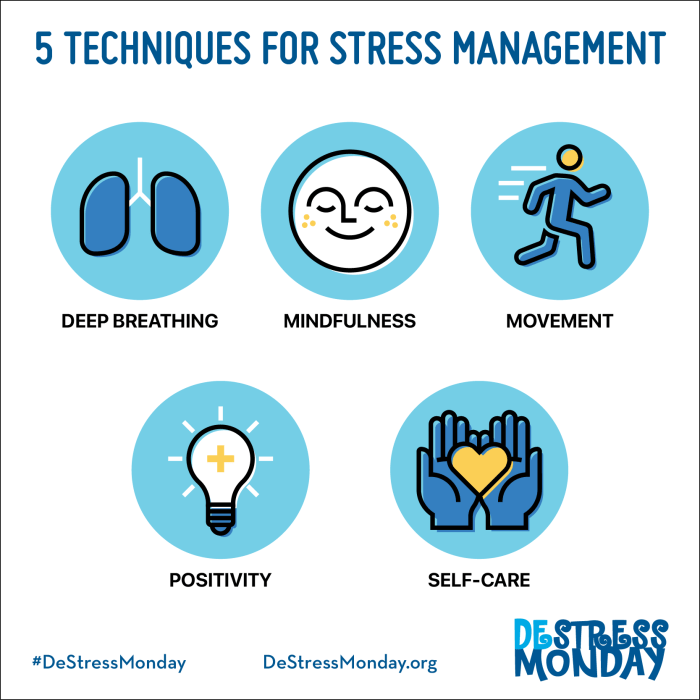
Self-care is crucial for parents of special needs children to effectively manage stress. Taking time for themselves, seeking support from friends and family, practicing mindfulness or relaxation techniques, and engaging in activities that bring joy are all essential self-care practices. By prioritizing their own well-being, parents can better cope with the demands of caring for a child with special needs.
Healthy Lifestyle
Stress management techniques for parents of special needs children – When caring for special needs children, maintaining a healthy lifestyle is crucial in managing stress effectively. A healthy lifestyle can provide parents with the physical and mental resilience needed to handle the challenges that come with caregiving.
Incorporating Healthy Habits
Here are some tips on how parents of special needs children can incorporate healthy habits into their daily routines:
- Set aside time for self-care activities, such as exercise, meditation, or hobbies, even if it’s just for a few minutes each day.
- Prioritize sleep and establish a consistent bedtime routine to ensure adequate rest.
- Practice mindful eating by choosing nutritious foods and eating meals together as a family whenever possible.
Benefits of Exercise and Nutrition
Regular exercise and balanced nutrition play a significant role in stress management for parents of special needs children. Here are some benefits:
- Exercise releases endorphins, which can improve mood and reduce stress levels.
- Physical activity can help parents cope with the demands of caregiving by boosting energy levels and overall well-being.
- A balanced diet provides essential nutrients that support immune function and overall health, contributing to better stress management.
Medical Innovations
In recent years, medical innovations have played a crucial role in supporting parents of special needs children in managing stress. These advancements have not only improved the quality of life for families facing special needs challenges but have also provided much-needed relief and assistance in their daily lives.
Assistive Technology
Assistive technology has been a game-changer for parents of special needs children, offering innovative solutions to help with communication, mobility, and daily tasks. Devices such as communication apps, adaptive equipment, and sensory tools have greatly improved the independence and functionality of children with special needs, reducing the stress on parents and caregivers.
- Communication Apps: Apps like Proloquo2Go and TouchChat enable non-verbal children to communicate effectively, reducing frustration and improving interaction with parents and peers.
- Adaptive Equipment: Wheelchairs, walkers, and other assistive devices have made mobility easier for children with physical disabilities, allowing them to participate in activities and events with greater ease.
- Sensory Tools: Tools like weighted blankets, fidget toys, and noise-canceling headphones help children with sensory sensitivities regulate their emotions and focus, creating a calmer environment for both the child and parents.
Telehealth Services
The rise of telehealth services has revolutionized healthcare access for families with special needs children, offering remote medical consultations, therapy sessions, and monitoring services. Parents can now access expert advice and support from the comfort of their homes, eliminating the need for frequent hospital visits and reducing the stress associated with managing medical appointments.
- Remote Consultations: Telehealth platforms allow parents to consult with specialists and healthcare providers without the need for in-person visits, saving time and reducing the logistical challenges of traveling to medical facilities.
- Therapy Sessions: Online therapy sessions for children with special needs, such as speech therapy, occupational therapy, and behavioral therapy, have become more accessible, providing continuous support and intervention for families.
- Monitoring Services: Remote monitoring devices and apps enable parents to track their child’s health data, medication schedules, and progress, giving them peace of mind and empowering them to take proactive measures in managing their child’s health.
Nutritional Supplements
When it comes to managing stress as a parent of a special needs child, incorporating nutritional supplements into your routine can provide various benefits. These supplements are designed to support overall health and well-being, which can help in coping with the daily challenges that come with caring for a child with special needs.
Safe and Effective Supplements for Stress Management
- Omega-3 Fatty Acids: Omega-3 supplements are known for their anti-inflammatory properties and can help reduce stress and anxiety levels.
- Magnesium: Magnesium is a mineral that plays a crucial role in relaxation and stress reduction. Supplementing with magnesium can promote a sense of calmness.
- Vitamin B Complex: B vitamins are essential for energy production and maintaining a healthy nervous system. A deficiency in B vitamins can contribute to increased stress levels.
- Ashwagandha: This adaptogenic herb has been used in traditional medicine to combat stress and improve resilience to stressors.
It is important to note that while nutritional supplements can be beneficial, it is crucial to consult healthcare professionals before adding any new supplements to your regimen. They can provide personalized guidance based on your individual needs and ensure that the supplements are safe and suitable for you.
Fitness Routine
Regular physical activity plays a crucial role in reducing stress levels and improving overall well-being for parents of special needs children. Incorporating a fitness routine into your daily schedule can help you manage stress more effectively and maintain a healthy lifestyle.
Simple and Manageable Exercises
- Take short walks: Even a 10-15 minute walk around the neighborhood can help clear your mind and boost your mood.
- Bodyweight exercises: Simple exercises like squats, lunges, and push-ups can be done at home without any equipment.
- Yoga or stretching: Practicing yoga or gentle stretching exercises can help release tension and improve flexibility.
- Dance or aerobics: Put on your favorite music and dance around the house to get your heart rate up and relieve stress.
Benefits of Physical Activity
Regular physical activity not only helps in reducing stress levels but also offers a wide range of benefits for your overall well-being. It can improve your mood, boost your energy levels, enhance your sleep quality, and increase your overall fitness. By incorporating simple and manageable exercises into your daily routine, you can experience a positive impact on both your physical and mental health.
Health Screenings
Regular health screenings are crucial for parents of special needs children to ensure they are taking care of their own health while caring for their child. These screenings can help in early detection of any health issues, allowing for timely intervention and management.
Scheduling and Prioritizing Health Screenings
When it comes to scheduling health screenings, it is important for parents to prioritize their own health alongside their caregiving responsibilities. Setting reminders, keeping track of appointments, and involving other family members or caregivers can help in making sure that health screenings are not overlooked.
Early Detection and Better Stress Management
Early detection through health screenings can have a significant impact on stress management for parents of special needs children. By identifying health issues early on, parents can take necessary steps to address them, leading to better overall health and well-being. This proactive approach can help in reducing stress levels and ensuring that parents are able to continue providing the best care for their child.
Disease Prevention: Stress Management Techniques For Parents Of Special Needs Children
Preventing diseases is crucial for parents of special needs children to maintain the health and well-being of their family. By implementing strategies for disease prevention, parents can reduce stress and ensure a healthier environment for their children.
Vaccinations and Preventive Care
- Ensure that your child receives all recommended vaccinations according to the schedule provided by healthcare professionals.
- Regularly visit healthcare providers for preventive care check-ups to monitor your child’s health and address any concerns early on.
- Stay informed about any specific vaccinations or preventive measures that may be necessary for children with special needs, as they may have unique health considerations.
Healthy Practices for Minimizing Health Risks
- Encourage proper hand hygiene practices to prevent the spread of infections.
- Promote a healthy diet rich in fruits, vegetables, and whole grains to boost your child’s immune system.
- Ensure that your child gets enough sleep and engages in regular physical activity to support overall health and well-being.
Alleviating Stress and Enhancing Well-being
Disease prevention not only helps in minimizing health risks but also plays a crucial role in alleviating stress for parents of special needs children. By focusing on preventive measures, parents can create a healthier and more stable environment for their family, leading to improved overall well-being.
Sleep Hygiene
Good sleep hygiene is crucial for parents of special needs children to effectively manage stress. Quality sleep plays a significant role in emotional resilience and stress coping mechanisms, making it essential for overall well-being.
Creating a Conducive Sleep Environment
- Avoid electronic devices before bedtime to promote relaxation.
- Keep the bedroom dark, quiet, and at a comfortable temperature for better sleep quality.
- Establish a consistent bedtime routine to signal to the body that it’s time to wind down.
Establishing Healthy Sleep Habits
- Stick to a regular sleep schedule, even on weekends, to regulate the body’s internal clock.
- Avoid caffeine and heavy meals close to bedtime to prevent disruptions in sleep patterns.
- Engage in relaxation techniques like deep breathing or meditation to reduce stress and promote better sleep.
Impact of Quality Sleep on Stress Coping Mechanisms
Quality sleep not only improves cognitive function and mood but also enhances the body’s ability to cope with stress. By prioritizing good sleep hygiene, parents can better manage the challenges of caring for special needs children and maintain their own well-being.
Mental Clarity
Maintaining mental clarity is crucial for parents of special needs children to effectively manage stress and navigate the challenges they face on a daily basis. By incorporating mindfulness practices, relaxation techniques, and cognitive strategies into their routine, parents can enhance their mental well-being and improve their ability to cope with stress.
Techniques for Maintaining Mental Clarity
- Practice mindfulness: Engage in activities that promote present-moment awareness, such as meditation, deep breathing, or yoga, to help calm the mind and reduce stress.
- Use relaxation techniques: Incorporate relaxation exercises like progressive muscle relaxation or visualization to release tension and promote mental clarity.
- Implement cognitive strategies: Challenge negative thoughts, reframe situations positively, and practice gratitude to shift focus and maintain a clear mindset.
Hydration Importance
Proper hydration plays a crucial role in stress management for parents of special needs children. When dealing with the daily challenges of caring for a child with special needs, it’s essential to prioritize hydration to support overall well-being and mental clarity.
Benefits of Staying Hydrated
- Improved Energy Levels: Staying hydrated helps maintain optimal energy levels, which is vital when juggling the demands of parenting a child with special needs.
- Enhanced Cognitive Function: Adequate hydration supports cognitive function, helping parents stay focused and alert throughout the day.
- Regulated Mood: Hydration is linked to mood regulation, reducing the risk of irritability and stress in challenging situations.
- Physical Health: Proper hydration supports various bodily functions, including digestion, circulation, and temperature regulation, contributing to overall health.
Practical Tips for Hydration
- Carry a Water Bottle: Keep a reusable water bottle with you at all times to remind yourself to drink water regularly.
- Set Reminders: Use alarms or smartphone apps to set reminders to drink water at regular intervals throughout the day.
- Infuse Water with Flavor: If plain water is unappealing, try infusing it with fruits, herbs, or vegetables to enhance the taste and encourage consumption.
- Create a Hydration Schedule: Establish a hydration schedule that aligns with your daily routine, ensuring you drink water consistently.
Frequently Asked Questions
How can parents find time for self-care while caring for special needs children?
Parents can prioritize self-care by setting aside small pockets of time each day for activities that recharge them, seeking support from family or professionals, and recognizing the importance of their own well-being in order to provide the best care for their children.
Are there specific stress management techniques tailored for parents of special needs children?
Yes, techniques such as mindfulness practices, regular exercise, seeking therapy or support groups, maintaining a healthy lifestyle, and setting realistic expectations can be particularly beneficial for parents facing the unique challenges of caring for special needs children.
How can parents ensure they are effectively managing stress while also meeting the needs of their children?
By creating a support network, practicing open communication with healthcare providers and educators, setting boundaries, delegating tasks when possible, and incorporating self-care strategies into their daily routine, parents can strike a balance between caring for themselves and their children.