
Stress Management Tips for New Parents
Stress management tips for new parents – Being a new parent can be overwhelming, but incorporating stress management techniques into your daily routine can help you navigate this challenging time with more ease.
The Importance of Self-Care
Self-care is crucial for new parents to reduce stress levels and maintain overall well-being. Taking care of yourself allows you to be more present and attentive to your baby’s needs.
- Set aside time for yourself each day, even if it’s just a few minutes to relax and unwind.
- Delegate tasks to your partner, family members, or friends to lighten your load.
- Practice mindfulness or meditation to help calm your mind and reduce anxiety.
- Stay physically active by going for a walk or doing some light exercises to release endorphins.
Daily Practices to Alleviate Stress
Incorporating simple daily practices can make a significant difference in managing stress as a new parent.
- Establish a routine that works for you and your baby to create a sense of predictability.
- Connect with other parents through support groups or online communities to share experiences and tips.
- Get enough sleep by taking naps when your baby sleeps and prioritizing rest whenever possible.
- Practice deep breathing exercises to calm your nervous system and promote relaxation.
Stress Management Healthy Lifestyle
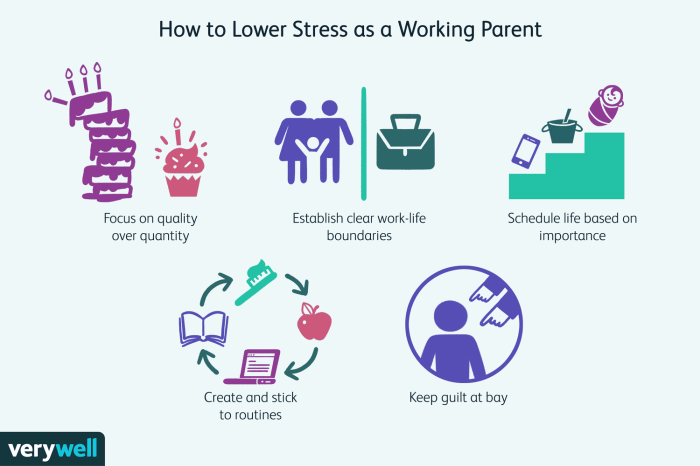
Leading a healthy lifestyle is crucial for managing stress effectively, especially for new parents who are juggling multiple responsibilities. By prioritizing self-care and healthy habits, parents can better cope with the challenges that come with raising a child.
Incorporating Healthy Habits into a Busy Parenting Routine
It may seem challenging to find time for self-care when you’re busy taking care of a newborn, but incorporating healthy habits into your daily routine is essential for managing stress. Here are some tips:
- Set aside time for exercise, even if it’s just a short walk or a quick workout at home. Physical activity can help reduce stress levels and improve overall well-being.
- Prioritize sleep by establishing a bedtime routine and ensuring you get enough rest. Lack of sleep can exacerbate stress and make it harder to cope with daily challenges.
- Make healthy eating a priority by planning and preparing nutritious meals in advance. A well-balanced diet can provide the energy you need to navigate the demands of parenthood.
- Practice mindfulness or relaxation techniques to help calm your mind and reduce stress. Even a few minutes of deep breathing or meditation can make a difference.
Impact of Nutrition and Exercise on Stress Levels
Nutrition and exercise play a significant role in managing stress levels for new parents. A healthy diet rich in fruits, vegetables, lean proteins, and whole grains can support both physical and mental well-being. Regular exercise not only helps release endorphins that improve mood but also promotes better sleep quality and overall health.
Medical Innovations for Stress Management
Modern medical advancements have revolutionized the way new parents can manage stress, offering innovative solutions to help navigate the challenges of parenthood.
Role of Technology in Providing Support
Technology plays a crucial role in providing support and resources for stress relief for new parents. From mobile apps offering guided meditation sessions to wearable devices that track stress levels, there are various tech-based tools designed to help parents cope with the demands of raising a child.
Examples of Innovative Medical Solutions
- Virtual Reality Therapy: Virtual reality technology is being utilized to create immersive environments that simulate calming scenarios, helping parents relax and unwind amidst the chaos of daily life.
- Biofeedback Devices: Biofeedback devices measure physiological responses such as heart rate and muscle tension, providing real-time feedback to help parents become more aware of their stress levels and learn to manage them effectively.
- Telemedicine Services: Telemedicine services allow parents to access mental health professionals and therapists remotely, offering convenient support and counseling without the need for in-person visits.
Nutritional Supplements for Stress Relief
When it comes to managing stress as a new parent, incorporating nutritional supplements into your daily routine can be beneficial. These supplements can help reduce anxiety, promote relaxation, and support overall mental well-being.
Benefits of Nutritional Supplements for Stress Relief
- Natural supplements like magnesium, vitamin B complex, and omega-3 fatty acids can help regulate stress hormones and neurotransmitters in the brain.
- Herbal supplements such as ashwagandha, valerian root, and chamomile have calming properties that can ease stress and promote better sleep.
- Adaptogenic herbs like rhodiola rosea and holy basil help the body adapt to stress and increase resilience.
Safe and Effective Supplements for Stress Relief
- Consult with a healthcare provider before starting any new supplement regimen to ensure safety and proper dosages.
- Brands like NatureMade, NOW Foods, and Garden of Life offer high-quality supplements that are tested for purity and potency.
- Look for supplements that are third-party tested and certified by organizations like USP or NSF to ensure quality and efficacy.
Natural Supplements for Relaxation and Mental Well-Being, Stress management tips for new parents
- Magnesium: Helps relax muscles, reduce anxiety, and improve sleep quality.
- Vitamin D: Supports mood regulation and overall mental health.
- Omega-3 fatty acids: Reduce inflammation, support brain health, and improve mood.
- L-theanine: Found in green tea, promotes relaxation without drowsiness.
Fitness Routine for Stress Management: Stress Management Tips For New Parents
Physical activity plays a crucial role in reducing stress for new parents. Exercise not only helps in improving physical health but also has significant mental health benefits, including stress relief.
Importance of Physical Activity for Stress Reduction
- Regular exercise helps in releasing endorphins, also known as “feel-good” hormones, which can elevate mood and reduce stress levels.
- Physical activity can act as a distraction from daily worries and responsibilities, allowing parents to focus on themselves and their well-being.
- Maintaining a fitness routine can improve sleep quality, which is often disrupted in new parents, leading to better stress management.
Creating a Feasible Fitness Routine
- Start with small goals and gradually increase the intensity and duration of your workouts as you build stamina and endurance.
- Choose activities that you enjoy and can easily incorporate into your daily routine, such as brisk walking, yoga, or home workouts.
- Involve your partner or a friend in your fitness routine to stay motivated and hold each other accountable.
Connection Between Exercise, Endorphins, and Stress Relief
- Exercise triggers the release of endorphins, which can help combat feelings of anxiety and depression, common in new parents experiencing stress.
- Regular physical activity can improve overall mood and energy levels, making it easier to cope with the demands of parenting.
- Engaging in a fitness routine can provide a sense of accomplishment and empowerment, boosting self-esteem and resilience in the face of stressors.
Health Screenings for Stress Prevention
Regular health screenings play a crucial role in preventing stress-related illnesses by allowing early detection and intervention. For new parents, managing stress is essential for overall well-being, and preventive healthcare through screenings can help maintain good health and reduce the risk of developing serious conditions.
Essential Health Screenings for New Parents
- Blood Pressure Monitoring: Regular blood pressure checks can help identify hypertension early on, which is often linked to stress-related health issues.
- Blood Tests: Comprehensive blood tests can assess cholesterol levels, blood sugar, and other metabolic markers that can be affected by stress.
- Mental Health Evaluation: Screening for mental health conditions like anxiety and depression is crucial for new parents who may experience heightened stress levels.
- Physical Examinations: Routine physical exams can detect any underlying health issues that may be exacerbated by stress, such as heart conditions or hormonal imbalances.
- Eye Exams: Regular eye check-ups are important, as eye strain and vision problems can be exacerbated by stress and affect overall well-being.
Disease Prevention Strategies for New Parents
As new parents navigate the challenges of raising a child, it is crucial to prioritize disease prevention to maintain overall well-being and health. By implementing preventive measures and strategies, new parents can reduce the risk of illnesses caused by stress, ensuring a healthier lifestyle for themselves and their child.
Importance of Vaccination and Immunity Boosting
One of the most effective ways to prevent diseases is through vaccination. New parents should ensure that they and their child are up to date on all recommended vaccines to protect against serious illnesses. Additionally, boosting immunity through a healthy diet, regular exercise, and adequate sleep can further enhance the body’s ability to fight off infections.
Lifestyle Changes for Disease Prevention
- Avoiding smoking and excessive alcohol consumption can significantly reduce the risk of developing various health conditions.
- Eating a balanced diet rich in fruits, vegetables, whole grains, and lean proteins can provide essential nutrients to support the immune system.
- Engaging in regular physical activity not only helps in reducing stress but also boosts overall health and immunity.
- Practicing good hygiene, such as washing hands frequently and maintaining a clean living environment, can prevent the spread of infections.
Sleep Hygiene Practices for Stress Management
Quality sleep plays a vital role in managing stress, especially for new parents who are already dealing with a myriad of challenges. A lack of sleep can exacerbate stress levels, leading to irritability, mood swings, and difficulty in coping with daily tasks. Establishing good sleep hygiene practices can significantly improve overall well-being and resilience to stress.
Tips for Improving Sleep Hygiene
- Avoid electronic devices before bedtime to reduce exposure to blue light, which can disrupt the production of melatonin, the hormone responsible for regulating sleep.
- Create a relaxing bedtime routine, such as taking a warm bath, reading a book, or practicing deep breathing exercises, to signal to your body that it’s time to wind down.
- Maintain a consistent sleep schedule by going to bed and waking up at the same time every day, even on weekends, to regulate your body’s internal clock.
- Ensure your sleep environment is conducive to rest, with a comfortable mattress, pillows, and a cool, dark room to promote uninterrupted sleep.
- Avoid caffeine, heavy meals, and stimulating activities close to bedtime to prevent disruptions in your sleep cycle.
Impact of Sufficient Rest on Mental Clarity and Emotional Well-being
Sufficient rest is essential for cognitive function and emotional well-being. When new parents prioritize quality sleep, they are better equipped to handle the demands of parenthood with a clear mind and a positive outlook. Adequate rest allows for proper brain function, improved decision-making abilities, and enhanced emotional regulation, reducing the likelihood of stress and anxiety taking over.
Mental Clarity Techniques for New Parents
As a new parent, it is essential to maintain mental clarity and focus amidst the challenges of parenting. Implementing cognitive strategies and mindfulness practices can significantly improve mental well-being and help you navigate through stressful situations more effectively.
Cognitive Strategies for Enhancing Mental Clarity
- Practice positive self-talk to challenge negative thoughts and promote a more optimistic mindset.
- Break tasks into smaller, manageable steps to avoid feeling overwhelmed.
- Set realistic goals and prioritize your activities to enhance productivity and reduce stress.
Mindfulness Practices and Relaxation Techniques
- Engage in deep breathing exercises to calm the mind and reduce anxiety.
- Practice meditation to increase self-awareness and improve focus.
- Try progressive muscle relaxation to release physical tension and promote relaxation.
Mental Clarity Exercises for Daily Routine
- Take short breaks throughout the day to clear your mind and recharge.
- Engage in activities that bring you joy and relaxation, such as reading, listening to music, or spending time in nature.
- Keep a gratitude journal to cultivate a positive mindset and enhance mental clarity.
Importance of Hydration in Stress Management
Proper hydration plays a crucial role in supporting stress management for new parents. Staying hydrated throughout the day is essential for promoting overall health and well-being, especially when facing the challenges of parenthood. Dehydration can have negative effects on stress levels and cognitive function, making it vital to prioritize adequate fluid intake.
Tips for Staying Hydrated
- Carry a reusable water bottle with you wherever you go to ensure easy access to hydration.
- Set reminders on your phone or use an app to prompt you to drink water regularly throughout the day.
- Infuse your water with fruits or herbs to add flavor and make it more enjoyable to drink.
- Monitor your urine color to gauge your hydration levels – aim for pale yellow to clear urine.
- Include hydrating foods in your diet such as fruits, vegetables, and soups to increase your overall fluid intake.
FAQ Insights
How can new parents effectively manage stress?
New parents can manage stress by practicing self-care, incorporating healthy habits, and seeking support from healthcare professionals or support groups.
Are there specific exercises that can help new parents reduce stress?
Yes, activities like yoga, walking, and mindfulness meditation can be beneficial for new parents in reducing stress levels.
What role does nutrition play in stress management for new parents?
Nutritious food choices can impact stress levels, so maintaining a balanced diet rich in fruits, vegetables, and whole grains is crucial for managing stress effectively.