Hydration Importance
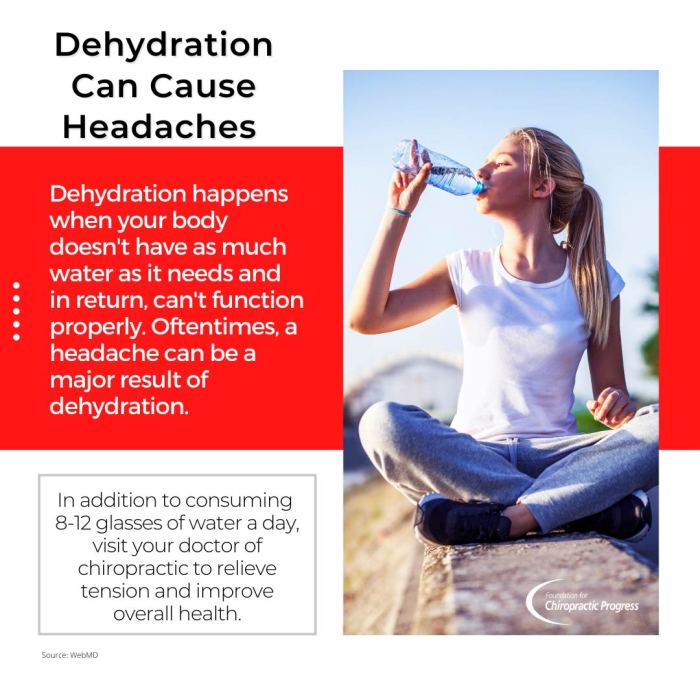
Hydration and its role in preventing headaches – Hydration plays a crucial role in preventing headaches as it helps maintain proper blood flow and oxygen levels in the brain. Dehydration, on the other hand, can lead to headaches due to reduced blood volume and the constriction of blood vessels in the brain.
Effects of Dehydration on Headaches
When the body is dehydrated, it can trigger headaches through various mechanisms:
- Reduced Blood Volume: Dehydration causes a decrease in blood volume, leading to reduced oxygen and nutrient delivery to the brain, which can result in headaches.
- Electrolyte Imbalance: Lack of proper hydration can disrupt the balance of electrolytes in the body, affecting nerve function and potentially causing headaches.
- Increased Histamine Levels: Dehydration can increase histamine levels in the body, which may contribute to headache development.
Impact of Hydration on Overall Health
Proper hydration not only helps prevent headaches but also has a significant impact on overall health and well-being:
- Improved Cognitive Function: Adequate hydration supports cognitive function, concentration, and memory, enhancing overall mental performance.
- Regulation of Body Temperature: Hydration plays a vital role in regulating body temperature, especially during physical activity, preventing overheating and potential headaches.
- Detoxification and Waste Removal: Water helps flush out toxins and waste products from the body, supporting proper organ function and overall health.
Stress Management
Stress is a common trigger for headaches, and managing stress levels is crucial for overall well-being. Staying hydrated plays a significant role in stress management and can help alleviate the negative effects of stress on the body.
Hydration and Stress Levels
Maintaining proper hydration levels is essential for managing stress effectively. Dehydration can exacerbate feelings of stress and anxiety, leading to increased tension and headaches. When the body is dehydrated, it can affect cognitive function and mood, making it harder to cope with stressors.
- Drinking an adequate amount of water throughout the day can help regulate cortisol levels, the stress hormone, and promote a sense of calmness.
- Hydration is essential for optimal brain function, which is crucial for managing stress and making sound decisions in stressful situations.
- Dehydration can lead to fatigue, irritability, and difficulty concentrating, all of which can contribute to heightened stress levels.
Combining Hydration with Stress-Relief Techniques
Incorporating hydration into your stress-relief routine can enhance the effectiveness of stress management strategies. By combining hydration with techniques such as mindfulness, deep breathing, and physical activity, you can create a holistic approach to stress management.
- Start your day with a glass of water to rehydrate your body after a night of sleep and kickstart your metabolism.
- Take short breaks throughout the day to drink water and rehydrate, especially during stressful or busy periods.
- Practice mindful drinking, focusing on the sensation of water entering your body and providing nourishment and hydration.
Healthy Lifestyle
Hydration plays a crucial role in maintaining a healthy lifestyle. It is not only essential for overall well-being but also has a direct impact on preventing headaches and promoting optimal health.
Connection Between Hydration, Nutrition, and Headache Prevention
Hydration is closely linked to nutrition when it comes to preventing headaches. Proper hydration ensures that essential nutrients are effectively transported throughout the body, supporting brain function and reducing the likelihood of headaches caused by dehydration. Additionally, staying hydrated can help regulate blood sugar levels, which can also influence headache occurrence.
Daily Routine for Optimal Health
- Start your day with a glass of water to kickstart hydration levels.
- Carry a reusable water bottle with you throughout the day to remind yourself to drink water regularly.
- Include hydrating foods in your meals, such as fruits and vegetables with high water content.
- Set reminders on your phone or computer to take water breaks and stay hydrated.
- Aim to drink at least 8-10 glasses of water per day, adjusting based on your activity level and environment.
Medical Innovations
In recent years, there have been significant advancements in hydration monitoring technology that have revolutionized the way we understand and track our fluid intake. These innovations have played a crucial role in enhancing hydration awareness and promoting better health outcomes.
Hydration Monitoring Technology
- New wearable devices equipped with sensors can now track hydration levels in real-time, providing users with instant feedback on their fluid intake.
- Smart water bottles with integrated technology can remind individuals to drink water at regular intervals based on their activity levels and environmental conditions.
- Mobile applications that analyze factors like temperature, humidity, and physical activity to recommend personalized hydration goals have become increasingly popular.
Medical Professionals’ Role
- Medical professionals are now utilizing these innovative tools to educate patients on the importance of hydration and how it can impact their overall well-being.
- By incorporating hydration monitoring technology into their practice, healthcare providers can offer personalized recommendations and interventions to help patients maintain optimal hydration levels.
- Through continuous monitoring and feedback, medical professionals can empower individuals to make informed decisions about their hydration habits and prevent dehydration-related complications.
Nutritional Supplements
When it comes to hydration and preventing headaches, nutritional supplements can play a crucial role in supporting overall health and well-being. These supplements can complement a balanced diet and help ensure that your body is getting the necessary nutrients to function optimally.
Supplements for Hydration and Headache Prevention
There are several key supplements that can support hydration and help prevent headaches:
- Electrolyte supplements: These can help replenish essential minerals lost through sweating and improve hydration levels in the body.
- Magnesium supplements: Magnesium plays a vital role in hydration and can help relax muscles, potentially reducing headache frequency.
- B vitamins: B vitamins are essential for energy production and can help combat fatigue, a common trigger for headaches.
- Omega-3 fatty acids: These healthy fats can reduce inflammation in the body and support overall brain health, potentially reducing headache intensity.
Consulting a Healthcare Provider
It is important to consult a healthcare provider before taking any nutritional supplements, especially if you have existing health conditions or are taking medications. A healthcare professional can provide guidance on the appropriate supplements for your specific needs and ensure they will not interact negatively with any other treatments you may be undergoing.
Fitness Routine
Staying hydrated is crucial for maintaining peak physical performance during workouts. Dehydration can lead to decreased energy levels, muscle cramps, and overall reduced exercise capacity.
Impact of Hydration on Physical Performance
Proper hydration levels are essential for optimal exercise performance. Dehydration can impair endurance, strength, and overall workout intensity. It’s important to drink enough fluids before, during, and after exercise to ensure peak performance.
Connection between Hydration, Exercise, and Headache Prevention
Exercise can actually trigger headaches in some individuals, especially if they are not properly hydrated. Dehydration can lead to headaches during or after a workout. By maintaining adequate hydration levels, you can reduce the risk of exercise-induced headaches.
Guide for Maintaining Hydration Levels During Exercise, Hydration and its role in preventing headaches
- Before Exercise: Drink about 17-20 ounces of water 2-3 hours before starting your workout to ensure proper hydration.
- During Exercise: Consume 7-10 ounces of water every 10-20 minutes during your workout to replace fluids lost through sweat.
- After Exercise: Rehydrate by drinking at least 8 ounces of water within 30 minutes of completing your workout, and continue to drink water throughout the day to replenish lost fluids.
Health Screenings
Dehydration can have a significant impact on the results of various health screenings. When the body is dehydrated, it can affect the accuracy of tests and assessments, leading to potentially misleading results. Therefore, maintaining proper hydration is crucial for ensuring that health screenings provide a true reflection of an individual’s health status.
Effect on Health Screenings
Dehydration can affect a variety of health screenings, including blood tests, urine tests, and imaging studies. For example, dehydration can lead to higher concentrations of certain substances in the blood, such as electrolytes or proteins, which may skew the results of blood tests. In urine tests, dehydration can result in more concentrated urine, affecting the interpretation of the test results. Additionally, dehydration can impact imaging studies by altering the visibility and clarity of certain structures or organs in the body.
Importance of Hydration in Health Assessments
Proper hydration is essential for maintaining accurate health assessments. By staying well-hydrated, individuals can ensure that their bodies are functioning optimally, allowing for more reliable test results and assessments. Hydration plays a crucial role in ensuring that health screenings provide an accurate reflection of an individual’s overall health status, enabling healthcare providers to make informed decisions regarding treatment and care.
Specific Screenings Requiring Hydration
1. Blood tests: Proper hydration is essential for accurate blood test results, as dehydration can lead to false readings of various substances in the blood.
2. Urine tests: Maintaining adequate hydration levels is important for ensuring that urine test results are not skewed by dehydration, providing a true reflection of kidney function and overall health.
3. Imaging studies: Hydration can impact the quality and accuracy of imaging studies like MRIs and CT scans, making it important to stay hydrated to ensure clear and precise imaging results.
Disease Prevention
Hydration plays a crucial role in preventing various diseases by ensuring that our body functions optimally. Chronic dehydration can have detrimental effects on our health, leading to the development of certain conditions.
Diseases Linked to Chronic Dehydration
- Cardiovascular diseases: Dehydration can increase the risk of heart attacks and strokes due to the strain it puts on the cardiovascular system.
- Kidney stones: Insufficient hydration can lead to the formation of kidney stones, which can be extremely painful and require medical intervention.
- Urinary tract infections: Dehydration can make the urinary tract more susceptible to infections, causing discomfort and potentially leading to more serious complications.
- Digestive issues: Lack of hydration can contribute to constipation and other digestive problems, affecting the overall functioning of the digestive system.
Proper hydration is essential for maintaining the health of various organs and systems in the body, reducing the risk of developing these and other diseases.
Hydration and the Immune System
- Hydration supports the immune system by helping to flush out toxins and waste products from the body, allowing immune cells to function effectively.
- Dehydration can weaken the immune response, making the body more susceptible to infections and illnesses.
- Drinking an adequate amount of water can help boost the immune system’s ability to fight off pathogens and maintain overall health.
Sleep Hygiene: Hydration And Its Role In Preventing Headaches
Good sleep hygiene is essential for overall health and well-being. Hydration plays a crucial role in ensuring quality sleep and maintaining optimal sleep duration. Dehydration can lead to various sleep disturbances, including difficulty falling asleep, frequent awakenings during the night, and overall poor sleep quality. Inadequate hydration can also exacerbate headaches, which can further disrupt sleep patterns.
Impact of Hydration on Sleep Quality and Duration
Proper hydration is linked to improved sleep quality and duration. When the body is well-hydrated, it can regulate its temperature more effectively, leading to more restful sleep. Dehydration, on the other hand, can cause discomfort and make it harder to fall asleep. It is recommended to consume an adequate amount of water throughout the day to support healthy sleep patterns.
Relationship between Dehydration, Headaches, and Sleep Disturbances
Dehydration can trigger headaches, which are not only painful but can also interfere with sleep. Headaches caused by dehydration can make it challenging to relax and fall asleep, leading to sleep disturbances. By maintaining proper hydration levels, you can reduce the risk of headaches and improve your overall sleep quality.
Tips for Improving Hydration Habits for Better Sleep Hygiene
- Carry a reusable water bottle with you throughout the day to remind yourself to stay hydrated.
- Set a goal to drink a certain amount of water each day and track your intake to ensure you are meeting your hydration needs.
- Avoid excessive caffeine and alcohol consumption, as they can contribute to dehydration.
- Incorporate hydrating foods into your diet, such as fruits and vegetables with high water content.
- Establish a bedtime routine that includes drinking a glass of water to stay hydrated before sleep.
Mental Clarity
Staying hydrated is crucial for maintaining optimal cognitive function and mental clarity. Dehydration can have a significant impact on focus, concentration, and even lead to headaches.
Effects of Dehydration on Mental Performance
- Dehydration can impair short-term memory and cognitive function, affecting tasks that require attention and focus.
- Studies have shown that even mild dehydration can lead to decreased alertness and difficulty in concentrating on mental tasks.
- Dehydration can also cause fatigue, which further hampers mental performance and productivity.
- Headaches are a common symptom of dehydration, often accompanied by brain fog and difficulty in processing information.
Strategies for Optimal Hydration
- Drink an adequate amount of water throughout the day, aiming for at least 8-10 glasses of water.
- Include hydrating foods in your diet, such as fruits, vegetables, and soups, to boost overall hydration levels.
- Set reminders or use hydration tracking apps to ensure you are drinking water consistently.
- Avoid excessive caffeine and alcohol consumption, as they can contribute to dehydration.
- Listen to your body’s signals of thirst and prioritize hydration to support mental clarity and overall well-being.
Clarifying Questions
Can dehydration really trigger headaches?
Yes, dehydration can lead to headaches as it affects brain function and blood flow.
How does hydration impact stress levels?
Staying hydrated can help regulate stress hormones and reduce the frequency of headaches caused by stress.
What role does hydration play in disease prevention?
Hydration is essential in preventing diseases by supporting the immune system and overall bodily functions.