How Regular Exercise Contributes to Heart Disease Prevention

How regular exercise contributes to heart disease prevention

How regular exercise contributes to heart disease prevention is a topic that has garnered increasing attention in recent years, as researchers continue to unravel the complex interplay between physical activity and cardiovascular health. While it’s widely known that exercise is beneficial for overall well-being, its specific impact on heart health deserves closer examination.

From strengthening the heart muscle and improving blood flow to reducing blood pressure and cholesterol levels, regular exercise emerges as a potent weapon in the fight against heart disease. This article delves into the mechanisms by which exercise protects the cardiovascular system, exploring different types of physical activity, recommended guidelines, and the crucial role of a healthy lifestyle in conjunction with exercise.

Healthy Lifestyle

A healthy lifestyle plays a crucial role in heart disease prevention. By adopting healthy habits, you can significantly reduce your risk of developing heart disease and improve your overall well-being.

Diet

A heart-healthy diet is essential for preventing heart disease. It focuses on consuming nutrient-rich foods while limiting unhealthy fats and sugars.

  • Fruits and Vegetables:Aim for at least five servings of fruits and vegetables daily. These are rich in vitamins, minerals, and antioxidants that protect your heart. Examples include apples, bananas, berries, broccoli, carrots, and spinach.
  • Whole Grains:Choose whole grains over refined grains, as they provide more fiber, which helps lower cholesterol levels and regulate blood sugar. Examples include brown rice, quinoa, oats, and whole-wheat bread.
  • Lean Protein:Include lean protein sources like fish, poultry, beans, and lentils in your diet. These are good sources of protein and omega-3 fatty acids, which are beneficial for heart health.
  • Healthy Fats:Opt for healthy fats like those found in olive oil, avocados, nuts, and seeds. These fats help lower bad cholesterol levels and improve heart health.
  • Limit Saturated and Trans Fats:These fats raise bad cholesterol levels and increase your risk of heart disease. Reduce your intake of red meat, butter, fried foods, and processed foods that are high in saturated and trans fats.
  • Limit Sugar:Excess sugar can contribute to weight gain, high blood pressure, and increased triglyceride levels, all of which are risk factors for heart disease. Limit your intake of sugary drinks, desserts, and processed foods.

Sleep, How regular exercise contributes to heart disease prevention

Adequate sleep is crucial for heart health. When you sleep, your body repairs and rejuvenates itself, including your cardiovascular system.

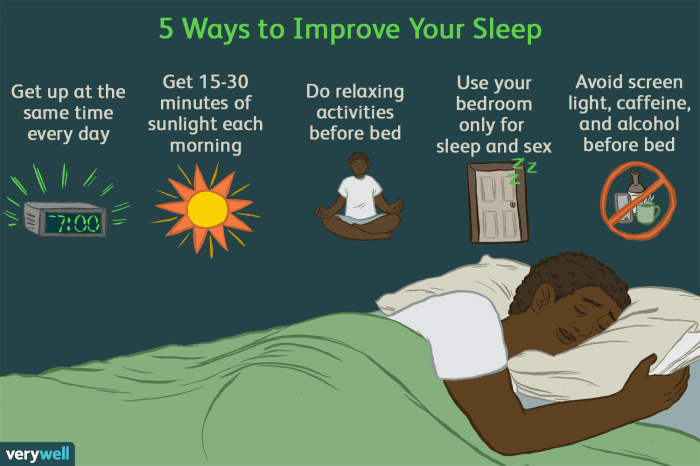
  • Regular Sleep Schedule:Maintaining a regular sleep schedule, even on weekends, helps regulate your body’s natural sleep-wake cycle, promoting better sleep quality.
  • Adequate Sleep Duration:Most adults need around 7-8 hours of sleep per night. Aim for this amount of sleep to allow your body sufficient time to rest and recover.
  • Sleep Environment:Create a conducive sleep environment by ensuring your bedroom is dark, quiet, and cool.

Smoking Cessation

Smoking is one of the most significant risk factors for heart disease. Quitting smoking is one of the most effective ways to reduce your risk.

  • Benefits of Quitting:Quitting smoking immediately reduces your risk of heart disease and other health problems. The benefits of quitting smoking start within hours of your last cigarette.
  • Support Resources:Seek support from healthcare professionals, support groups, or online resources to help you quit smoking.
  • Nicotine Replacement Therapy:Nicotine replacement therapy (NRT) can help reduce withdrawal symptoms and cravings. NRT is available in various forms, including patches, gum, and lozenges.

Medical Innovations

The fight against heart disease has been significantly aided by advancements in medical technology and treatments. These innovations have led to improved methods for early detection, prevention, and management of heart disease, offering a brighter outlook for patients.

Minimally Invasive Procedures

Minimally invasive procedures have revolutionized the treatment of heart disease, offering a less invasive alternative to traditional open-heart surgery. These procedures, performed through small incisions, minimize tissue damage, leading to faster recovery times and reduced complications.

  • Angioplasty and Stenting:This procedure involves inserting a thin, flexible tube called a catheter into a blocked artery. A balloon at the tip of the catheter is inflated to open the artery, and a stent, a small mesh tube, is placed to keep the artery open.

    This procedure is used to treat coronary artery disease, a common form of heart disease.

  • Transcatheter Aortic Valve Replacement (TAVR):This procedure involves replacing a damaged aortic valve with a new valve inserted through a catheter. TAVR is a minimally invasive alternative to open-heart surgery for patients with aortic stenosis, a narrowing of the aortic valve.
  • Ablation:This procedure uses heat or cold to destroy abnormal heart tissue that causes irregular heartbeats. Ablation is often used to treat atrial fibrillation, a common type of irregular heartbeat.

Drug Therapies

Advances in drug therapy have provided new and effective treatments for heart disease, improving patient outcomes and quality of life.

  • Statins:These drugs lower cholesterol levels in the blood, reducing the risk of heart disease. Statins are commonly prescribed to patients with high cholesterol levels and those with a history of heart disease.
  • ACE inhibitors:These drugs help relax blood vessels, lower blood pressure, and reduce the risk of heart attack and stroke. ACE inhibitors are often prescribed to patients with high blood pressure and heart failure.
  • Beta-blockers:These drugs slow the heart rate and reduce blood pressure, improving heart function and reducing the risk of heart attack and stroke. Beta-blockers are often prescribed to patients with high blood pressure, heart failure, and after a heart attack.
  • Aspirin:This drug helps prevent blood clots from forming, reducing the risk of heart attack and stroke. Aspirin is often prescribed to patients with a history of heart disease or at high risk of developing heart disease.

Benefits, Risks, and Limitations

Medical Innovation Benefits Risks Limitations
Angioplasty and Stenting Reduces chest pain, improves blood flow, and lowers the risk of heart attack. Bleeding, blood clots, and allergic reactions. Not effective for all types of coronary artery disease.
TAVR Less invasive than open-heart surgery, shorter recovery time, and lower risk of complications. Bleeding, stroke, and infection. Not suitable for all patients with aortic stenosis.
Ablation Effective in treating irregular heartbeats, improving quality of life. Bleeding, stroke, and infection. Not effective for all types of irregular heartbeats.
Statins Lower cholesterol levels, reduce the risk of heart disease. Muscle pain, liver damage, and allergic reactions. Not effective for all types of high cholesterol.
ACE inhibitors Lower blood pressure, reduce the risk of heart attack and stroke. Cough, dizziness, and kidney problems. Not effective for all types of high blood pressure.
Beta-blockers Slow the heart rate, reduce blood pressure, and improve heart function. Fatigue, dizziness, and shortness of breath. Not effective for all types of high blood pressure.
Aspirin Prevent blood clots, reduce the risk of heart attack and stroke. Bleeding, stomach upset, and allergic reactions. Not suitable for all patients, including those with bleeding disorders.

Health Screenings

Regular health screenings play a crucial role in early detection and prevention of heart disease. By identifying potential risk factors and abnormalities early on, individuals can take proactive steps to manage their heart health and reduce their chances of developing serious complications.

Types of Screenings

These screenings help identify risk factors and potential issues related to heart health.

  • Blood Pressure Checks:Regular blood pressure checks are essential for monitoring hypertension, a major risk factor for heart disease. A healthy blood pressure reading is typically less than 120/80 mmHg. High blood pressure can damage blood vessels and increase the risk of heart attacks, strokes, and other cardiovascular problems.

  • Cholesterol Tests:Cholesterol levels are measured to assess the risk of heart disease. High levels of LDL (“bad”) cholesterol can lead to plaque buildup in arteries, while high levels of HDL (“good”) cholesterol can help remove plaque. Doctors recommend getting your cholesterol checked every 4-6 years, or more often if you have risk factors.

  • Electrocardiograms (EKGs):An EKG records the electrical activity of the heart, helping to detect abnormalities such as irregular heart rhythms, heart attacks, and other heart conditions. EKGs are typically recommended for people with a family history of heart disease, those with symptoms such as chest pain or shortness of breath, or as part of a routine physical exam.

Frequency and Timing of Screenings

The frequency and timing of screenings depend on various factors, including age, family history, and individual risk factors.

  • Age:The American Heart Association recommends starting regular blood pressure and cholesterol screenings at age 20. The frequency of these screenings increases with age, as the risk of heart disease rises. For example, individuals over 40 should get their blood pressure checked at least once a year, and those over 60 should get it checked every 3-6 months.

  • Family History:If you have a family history of heart disease, you may need to start screenings earlier and have them more frequently. For instance, if your parent or sibling had a heart attack before age 55, you should begin getting screened for heart disease at a younger age.

  • Risk Factors:Certain risk factors, such as smoking, high blood pressure, high cholesterol, diabetes, and obesity, can increase your risk of heart disease. Individuals with these risk factors may need more frequent screenings to monitor their heart health.

Disease Prevention

Preventing heart disease is a crucial aspect of maintaining overall health and well-being. It involves proactive measures to reduce the risk of developing heart disease in the first place. This is known as primary prevention, which is distinct from secondary prevention, which focuses on preventing further complications or recurrence in individuals who have already experienced heart disease.

Primary Prevention

Primary prevention of heart disease focuses on preventing the disease from developing in the first place. This involves adopting healthy lifestyle habits and addressing modifiable risk factors that contribute to heart disease. These include:

  • Diet: A balanced diet rich in fruits, vegetables, whole grains, and lean protein can lower cholesterol levels and blood pressure, reducing the risk of heart disease.
  • Exercise: Regular physical activity strengthens the heart muscle, improves blood circulation, and helps control weight, all of which contribute to heart health.
  • Stress Management: Chronic stress can elevate blood pressure and increase the risk of heart disease. Techniques like yoga, meditation, and deep breathing can help manage stress levels.
  • Smoking Cessation: Smoking damages blood vessels and increases the risk of heart disease. Quitting smoking is essential for preventing heart disease.
  • Alcohol Consumption: Excessive alcohol intake can raise blood pressure and increase the risk of heart disease. Moderation is key, with recommendations varying depending on individual factors.

Genetic Testing

Genetic testing can play a role in identifying individuals at increased risk of heart disease. Certain genetic variations can predispose individuals to conditions like high cholesterol or heart rhythm abnormalities. Genetic testing can help tailor prevention strategies based on an individual’s genetic predisposition.

For example, individuals with a genetic predisposition to high cholesterol may benefit from more aggressive cholesterol-lowering medications or dietary modifications.

Mental Clarity

A healthy mind is just as important as a healthy body when it comes to heart health. Stress and anxiety can have a significant negative impact on the cardiovascular system, increasing the risk of heart disease.

Techniques for Promoting Mental Clarity and Reducing Stress

Stress and anxiety can have a significant impact on your heart health. They can trigger the release of hormones that increase your heart rate and blood pressure, which can put strain on your cardiovascular system. Chronic stress can also lead to unhealthy habits, such as smoking, poor diet, and lack of exercise, which further increase the risk of heart disease.

  • Mindfulnessis a practice that involves focusing your attention on the present moment without judgment. It can help to reduce stress and anxiety by calming the mind and body. Mindfulness techniques include meditation, deep breathing exercises, and yoga.
  • Meditationis a practice that involves focusing your attention on a single point, such as your breath or a mantra. Regular meditation can help to reduce stress, improve sleep, and increase self-awareness.
  • Cognitive Behavioral Therapy (CBT)is a type of therapy that helps people identify and change negative thoughts and behaviors. CBT can be effective in reducing stress and anxiety and improving mental well-being.

Benefits of Regular Exercise for Mental Well-being

Regular exercise can have a significant positive impact on mental health, reducing stress, anxiety, and depression. It releases endorphins, which have mood-boosting effects, and can help to improve sleep quality, which is essential for overall well-being.

  • Reduced Stress and Anxiety: Exercise can help to reduce stress and anxiety by releasing endorphins, which have mood-boosting effects. It can also help to improve sleep quality, which is essential for managing stress.
  • Improved Mood: Exercise can help to improve mood by releasing endorphins, which have mood-boosting effects. It can also help to reduce feelings of sadness and anxiety.
  • Increased Self-Esteem: Exercise can help to increase self-esteem by providing a sense of accomplishment and improving physical fitness. It can also help to boost confidence and self-image.
  • Reduced Risk of Heart Disease: Exercise can help to reduce the risk of heart disease by improving cardiovascular health, lowering blood pressure, and reducing cholesterol levels.

Cardiovascular Health

A healthy cardiovascular system is essential for overall well-being and disease prevention. It’s responsible for delivering oxygen-rich blood to every cell in the body, and any disruption to this process can have serious consequences. Maintaining optimal cardiovascular health can significantly reduce the risk of heart disease, stroke, and other related conditions.

Factors Contributing to Cardiovascular Health

Maintaining optimal cardiovascular health involves a combination of lifestyle choices and proactive measures.

  • Diet: A balanced diet rich in fruits, vegetables, whole grains, and lean protein can help lower cholesterol levels, regulate blood pressure, and reduce the risk of heart disease. Limiting saturated and trans fats, processed foods, and excessive salt intake is crucial.

  • Exercise: Regular physical activity strengthens the heart muscle, improves blood circulation, lowers blood pressure, and helps maintain a healthy weight. Aim for at least 150 minutes of moderate-intensity aerobic activity or 75 minutes of vigorous-intensity aerobic activity per week.
  • Stress Management: Chronic stress can contribute to high blood pressure, increased heart rate, and unhealthy lifestyle choices. Effective stress management techniques such as yoga, meditation, deep breathing exercises, and spending time in nature can help reduce stress levels and promote cardiovascular health.

  • Sleep: Adequate sleep is crucial for cardiovascular health. During sleep, the body repairs and rejuvenates itself, including the cardiovascular system. Aim for 7-9 hours of quality sleep each night.

Regular Checkups and Screenings

Regular checkups and screenings play a vital role in monitoring cardiovascular health and identifying potential risks early on. These assessments can help detect high blood pressure, high cholesterol, diabetes, and other conditions that can contribute to heart disease.

  • Blood Pressure Check: Regular blood pressure checks are essential to monitor for hypertension, a major risk factor for heart disease. Aim for a blood pressure reading of less than 120/80 mmHg.
  • Cholesterol Test: Cholesterol tests measure the levels of different types of cholesterol in the blood. High levels of LDL (“bad”) cholesterol can increase the risk of heart disease.
  • Blood Sugar Test: Blood sugar tests are used to check for diabetes, which can damage blood vessels and increase the risk of heart disease.
  • Electrocardiogram (ECG): An ECG measures the electrical activity of the heart, which can help detect abnormalities in heart rhythm or structure.
  • Echocardiogram: An echocardiogram uses sound waves to create images of the heart, allowing doctors to assess its structure and function.

Mental Resilience

Mental resilience is the ability to bounce back from adversity, adapt to change, and maintain a positive outlook in the face of challenges. This is especially important for heart health, as stress can significantly impact cardiovascular function. Building mental resilience can help you navigate life’s stressors more effectively, protecting your heart in the process.

Techniques for Building Mental Resilience

Developing mental resilience involves adopting strategies that help you cope with stress and maintain a positive outlook. These techniques can be incorporated into your daily routine, strengthening your ability to manage challenging situations.

  • Mindfulness: Mindfulness practices like meditation and deep breathing help you focus on the present moment, reducing stress and anxiety. By becoming more aware of your thoughts and feelings, you can learn to observe them without judgment, allowing you to manage them more effectively.

  • Positive Self-Talk: Engaging in positive self-talk involves replacing negative thoughts with more encouraging and realistic ones. This can help you challenge self-defeating beliefs and develop a more positive outlook. For example, instead of thinking “I can’t handle this,” you might reframe the thought to “I can find a way to manage this situation.”
  • Problem-Solving Skills: Developing effective problem-solving skills empowers you to address challenges head-on. This involves breaking down problems into smaller, manageable steps, identifying potential solutions, and evaluating their effectiveness. By taking a proactive approach to problem-solving, you reduce the stress associated with feeling overwhelmed.

Immune Support

A robust immune system is crucial for overall health, and it plays a vital role in preventing and managing heart disease. When your immune system is functioning optimally, it can effectively combat infections and inflammation, both of which are major contributors to cardiovascular problems.

The Relationship Between Immune Function and Cardiovascular Health

A strong immune system can help protect your heart in several ways. For instance, it can effectively clear harmful pathogens, such as bacteria and viruses, that can trigger inflammation and damage blood vessels. Furthermore, a healthy immune system can regulate inflammation, preventing excessive inflammation that can lead to atherosclerosis, a condition where plaque builds up in the arteries.

This plaque buildup can restrict blood flow, increasing the risk of heart attacks and strokes.

Boosting Immunity and Reducing Heart Disease Risk

Maintaining a healthy lifestyle is paramount for bolstering your immune system and lowering your risk of heart disease. This involves a multifaceted approach that encompasses regular exercise, a balanced diet, and effective stress management.

Exercise

Regular physical activity has been proven to enhance immune function. Moderate-intensity exercise, such as brisk walking, cycling, or swimming, can stimulate the production of white blood cells, which are essential for fighting infections. Exercise also helps reduce inflammation, which can protect your heart.

Diet

A nutritious diet rich in fruits, vegetables, and whole grains is vital for a healthy immune system. These foods are packed with antioxidants and vitamins that strengthen the immune system and protect against oxidative stress, a major contributor to heart disease.

Stress Management

Chronic stress can weaken the immune system and increase the risk of heart disease. Techniques such as yoga, meditation, and deep breathing exercises can help manage stress levels, promoting both immune health and cardiovascular well-being.

Foods and Supplements for Immune Support and Heart Health

Consuming a balanced diet rich in immune-boosting foods is essential. Here are some examples:

  • Fruits and Vegetables:Berries, citrus fruits, leafy greens, broccoli, and bell peppers are rich in antioxidants and vitamins that support immune function.
  • Whole Grains:Oatmeal, brown rice, and quinoa provide fiber, which promotes gut health, a key aspect of a strong immune system.
  • Nuts and Seeds:Almonds, walnuts, chia seeds, and flaxseeds are excellent sources of healthy fats, fiber, and antioxidants, all of which contribute to heart health and immune function.
  • Lean Protein:Chicken, fish, beans, and lentils provide protein, which is essential for building and repairing tissues, including those in the immune system.

In addition to a healthy diet, certain supplements can support immune function and heart health. Consult with your healthcare provider before taking any supplements, as they may interact with other medications or have potential side effects.

  • Vitamin C:This powerful antioxidant helps boost immune function and protect against oxidative stress.
  • Vitamin D:Plays a crucial role in immune function and may help reduce inflammation.
  • Zinc:Essential for immune cell development and function.
  • Omega-3 Fatty Acids:Found in fatty fish like salmon and tuna, these healthy fats can reduce inflammation and improve heart health.

Stress Relief

Stress is a common part of life, but chronic stress can have a detrimental impact on your heart health. When you’re stressed, your body releases hormones like adrenaline and cortisol, which can increase your heart rate, blood pressure, and blood sugar levels.

Over time, this can lead to a number of cardiovascular problems, including heart disease, stroke, and arrhythmias.

Managing Stress for Heart Health

Stress relief techniques are essential for maintaining cardiovascular health. They can help lower blood pressure, reduce heart rate, and improve overall well-being.

Relaxation Techniques

Relaxation techniques can be powerful tools for managing stress. They help calm the mind and body, reducing the physical and emotional effects of stress.

  • Deep Breathing:Deep, slow breaths can activate the parasympathetic nervous system, which helps calm the body and lower blood pressure.
  • Progressive Muscle Relaxation:This technique involves tensing and relaxing different muscle groups in your body, which can help relieve muscle tension and promote relaxation.
  • Meditation:Meditation involves focusing on the present moment and quieting the mind. It can help reduce stress, improve emotional regulation, and promote relaxation.
  • Yoga:Yoga combines physical postures, breathing techniques, and meditation, which can help reduce stress, improve flexibility, and increase mindfulness.

Physical Activity

Regular physical activity is a proven stress reliever. It releases endorphins, which have mood-boosting effects and can help reduce stress hormones.

  • Cardiovascular Exercise:Activities like running, swimming, or cycling can help release endorphins and reduce stress.
  • Strength Training:Strength training can help build muscle, improve bone density, and reduce stress.
  • Outdoor Activities:Spending time in nature can be a great way to reduce stress and improve your mood.

Social Support

Connecting with others can provide a sense of belonging and reduce stress.

  • Friends and Family:Spending time with loved ones can help you feel supported and less stressed.
  • Support Groups:Joining a support group can provide a safe space to share your experiences and connect with others who understand what you’re going through.

Incorporating Stress Relief into Daily Life

Creating a balanced approach to stress management is key.

  • Schedule Time for Relaxation:Make time for activities that help you relax, such as reading, listening to music, or taking a bath.
  • Practice Mindfulness:Pay attention to the present moment without judgment.
  • Set Realistic Goals:Avoid overcommitting yourself and setting unrealistic expectations.
  • Learn to Say No:It’s okay to decline requests if you’re feeling overwhelmed.
  • Prioritize Sleep:Aim for 7-8 hours of sleep each night.
  • Seek Professional Help:If you’re struggling to manage stress on your own, don’t hesitate to seek professional help from a therapist or counselor.

Closure: How Regular Exercise Contributes To Heart Disease Prevention

How regular exercise contributes to heart disease prevention

In conclusion, the evidence overwhelmingly supports the notion that regular exercise plays a vital role in preventing heart disease. By strengthening the heart, improving blood flow, and reducing risk factors, exercise empowers individuals to take control of their cardiovascular health.

While it’s essential to consult with a healthcare professional before embarking on any new exercise regimen, incorporating physical activity into daily life can be a powerful step towards a healthier and longer life.

FAQ

Is it too late to start exercising if I’m already at risk for heart disease?

It’s never too late to start exercising! Even if you have existing heart conditions, your doctor can help you create a safe and effective exercise plan. Exercise can still significantly improve your heart health and reduce your risk of further complications.

How much exercise is enough to benefit my heart health?

Aim for at least 150 minutes of moderate-intensity aerobic activity or 75 minutes of vigorous-intensity aerobic activity per week. You can also incorporate strength training exercises twice a week.

What if I don’t enjoy traditional exercise?

There are many ways to be active! Find activities you enjoy, such as dancing, gardening, swimming, or hiking. The key is to find something that motivates you to move your body regularly.

Can exercise completely eliminate my risk of heart disease?

While exercise is a powerful tool for preventing heart disease, it’s not a guarantee. Other factors like genetics, diet, and stress levels also play a role. However, exercise significantly reduces your risk and improves your overall health.

Best Fitness Routine for Weight Loss & Muscle Toning in 2024

Best fitness routine for weight loss and muscle toning in 2024

Best fitness routine for weight loss and muscle toning in 2024 – Ready to transform your body and achieve your fitness goals in 2024? This comprehensive guide will equip you with the knowledge and tools to create a personalized fitness routine that combines effective weight loss strategies with muscle-building techniques. We’ll delve into the importance of setting realistic goals, designing a balanced workout plan, and fueling your body for optimal performance.

Get ready to embark on a journey toward a healthier, stronger, and more confident you.

Whether you’re a seasoned athlete or just starting your fitness journey, this guide will provide valuable insights and practical tips. We’ll cover everything from choosing the right exercises to optimizing your workout plan and making sustainable lifestyle changes. We’ll also explore the benefits and potential risks of nutritional supplements, the crucial role of hydration, and the importance of stress management and sleep for recovery.

Maintaining a Healthy Lifestyle

Best fitness routine for weight loss and muscle toning in 2024

Adopting a healthy lifestyle is crucial for achieving sustainable weight loss and maintaining overall well-being. It involves integrating regular physical activity and healthy eating habits into your daily routine, promoting long-term health benefits.

Incorporating Movement into Daily Life

Small changes in your daily routine can significantly increase your activity levels. Incorporating movement into your daily life is a simple yet effective way to burn calories, improve cardiovascular health, and boost your energy levels.

  • Take the stairs instead of the elevator: This simple act provides a quick cardio workout and strengthens your leg muscles.
  • Walk during breaks: Get up and move around every hour to prevent prolonged sitting and improve circulation.
  • Park further away from your destination: This adds a few extra minutes of walking to your day, contributing to your overall activity levels.
  • Walk or cycle instead of driving short distances: This is a great way to get some fresh air and exercise while reducing your carbon footprint.

Developing Long-Term Healthy Habits, Best fitness routine for weight loss and muscle toning in 2024

Sustainable weight loss and fitness are achieved through consistent healthy habits. By focusing on long-term changes rather than quick fixes, you can create a sustainable lifestyle that promotes both physical and mental well-being.

  • Set realistic goals: Aim for gradual changes that you can maintain over time. Avoid setting unrealistic expectations that can lead to frustration and discouragement.
  • Find activities you enjoy: Choose exercises that you find enjoyable and motivating, making it more likely that you will stick with them.
  • Make healthy choices a priority: Prioritize healthy eating and regular physical activity, even when you are busy. It is about making conscious choices that support your overall health.
  • Seek support from friends and family: Surround yourself with people who encourage your healthy lifestyle choices and provide support along the way.

Final Summary: Best Fitness Routine For Weight Loss And Muscle Toning In 2024

Best fitness routine for weight loss and muscle toning in 2024

By incorporating the principles Artikeld in this guide, you can create a fitness routine that aligns with your individual needs and goals. Remember to listen to your body, stay consistent, and celebrate your progress along the way. With dedication and a positive mindset, you can achieve remarkable results and transform your body and life for the better.

General Inquiries

What are some common mistakes people make when starting a new fitness routine?

Common mistakes include setting unrealistic goals, not warming up properly, overtraining, neglecting rest days, and not adjusting the routine as needed.

How often should I exercise to see results?

Aim for at least 150 minutes of moderate-intensity cardio or 75 minutes of vigorous-intensity cardio per week, along with strength training exercises twice a week.

Is it okay to exercise every day?

While it’s possible to exercise daily, it’s essential to incorporate rest days to allow your body to recover and prevent injuries.

What are some healthy snack options for weight loss?

Healthy snack options include fruits, vegetables, nuts, seeds, yogurt, and hard-boiled eggs.

How do I stay motivated to stick with my fitness routine?

Find a workout buddy, set realistic goals, reward yourself for progress, track your workouts, and listen to your favorite music or podcasts while exercising.

Sleep hygiene techniques for night owls: Improving sleep quality and overall well-being

Sleep hygiene techniques for night owls

Stress Management: Sleep Hygiene Techniques For Night Owls

Sleep hygiene techniques for night owls
Managing stress is crucial for night owls looking to improve their sleep quality. High stress levels can lead to difficulty falling asleep, staying asleep, or experiencing restorative sleep. Incorporating stress-relief techniques into a nighttime routine can help reduce anxiety and promote relaxation, setting the stage for a more peaceful and restful sleep.

Examples of Stress-relief Techniques

  • Practicing deep breathing exercises to calm the mind and body before bed.
  • Engaging in gentle yoga or stretching to release tension in the muscles.
  • Listening to calming music or nature sounds to promote relaxation.
  • Journaling thoughts and emotions to declutter the mind and reduce racing thoughts.
  • Taking a warm bath or shower to unwind and soothe both the body and mind.

Importance of a Calming Bedtime Routine

Creating a calming bedtime routine is essential for reducing stress levels before sleep. By establishing a consistent routine that includes activities like reading a book, meditating, or sipping on herbal tea, night owls can signal to their bodies that it is time to wind down and prepare for rest. This helps shift the focus away from stressful thoughts and distractions, allowing for a smoother transition into a peaceful slumber.

Healthy Lifestyle

Adopting a healthy lifestyle can significantly improve sleep hygiene for night owls. By making conscious choices in nutrition, exercise, and maintaining a consistent sleep schedule, night owls can create a conducive environment for quality sleep.

Connection Between Nutrition, Exercise, and Quality Sleep

Maintaining a balanced diet rich in nutrients and avoiding heavy meals close to bedtime can positively impact sleep quality for night owls. Additionally, regular physical exercise can help regulate sleep patterns and promote a deeper, more restful sleep. The synergy between nutrition, exercise, and sleep is crucial for night owls looking to enhance their sleep hygiene.

Role of a Consistent Sleep Schedule

Establishing a consistent sleep schedule, even on weekends, is vital for night owls to maintain a healthy lifestyle. By going to bed and waking up at the same time every day, night owls can regulate their internal body clock and improve the quality of their sleep. Consistency in sleep patterns can lead to better overall health and well-being for night owls.

Medical Innovations

In recent years, there have been significant advancements in sleep technology specifically designed to cater to night owls. These innovations aim to optimize sleep quality and improve overall sleep hygiene practices for individuals who prefer staying up late and struggle to get adequate rest.

Smart Sleep Trackers

Smart sleep trackers are wearable devices or apps that monitor and analyze your sleep patterns throughout the night. They provide detailed insights into the quality of your sleep, including the duration of each sleep cycle and any disturbances that may have occurred. By tracking your sleep habits, smart sleep trackers can help night owls identify areas for improvement and make necessary adjustments to enhance their overall sleep quality.

Light Therapy Devices

Light therapy devices simulate natural sunlight to regulate the body’s internal clock and promote healthy sleep-wake cycles. For night owls who struggle with falling asleep at a reasonable hour, light therapy can help reset their circadian rhythm and improve their ability to fall asleep and wake up at more optimal times. These devices are especially beneficial for individuals with delayed sleep phase syndrome, a common condition among night owls.

Sleep Sound Machines

Sleep sound machines produce calming sounds or white noise to create a soothing environment conducive to sleep. For night owls who may be sensitive to external noises or have trouble quieting their minds before bed, these devices can help mask disruptive sounds and promote relaxation. By incorporating sleep sound machines into their bedtime routine, night owls can create a peaceful sleep environment that enhances their sleep quality.

Impact of Medical Innovations

Overall, these medical innovations have had a positive impact on improving sleep hygiene practices for night owls. By leveraging technology and scientific advancements, individuals who prefer staying up late can now access tools and resources that cater to their unique sleep needs. These innovations not only help night owls achieve better sleep quality but also raise awareness about the importance of prioritizing sleep health for overall well-being.

Nutritional Supplements

Sleep hygiene techniques for night owls – When it comes to improving sleep quality for night owls, certain nutritional supplements can play a crucial role in promoting relaxation and aiding in a better night’s rest. These supplements are known to have calming effects on the body, making it easier to unwind and fall asleep.

List of Supplements for Better Sleep

  • Melatonin: A hormone that regulates sleep-wake cycles and can help signal to the body that it’s time to sleep.
  • L-Theanine: An amino acid found in green tea that promotes relaxation and reduces stress and anxiety.
  • Magnesium: Helps relax muscles and calm the nervous system, making it easier to fall asleep.
  • Valerian Root: An herb that has been used for centuries to promote relaxation and improve sleep quality.
  • Chamomile: A soothing herb that can help reduce anxiety and promote better sleep.

Before incorporating any of these supplements into your nighttime routine, it’s important to consult with a healthcare professional. They can provide guidance on the appropriate dosage, potential interactions with other medications, and ensure that the supplements are safe and suitable for your individual needs. It’s always best to seek professional advice to optimize the benefits of these nutritional supplements for better sleep.

Fitness Routine

Regular exercise plays a crucial role in improving the sleep patterns of night owls. Physical activity helps in reducing stress, anxiety, and depression, which are common factors that can disrupt sleep. Additionally, exercise can regulate the body’s internal clock, making it easier for night owls to fall asleep and wake up at consistent times.

Nighttime Exercises for Better Sleep

  • Yoga: Practicing gentle yoga poses before bed can help relax the body and mind, promoting better sleep quality.
  • Stretching: Performing light stretching exercises can release tension in the muscles and prepare the body for rest.
  • Cardiovascular exercises: Engaging in activities like brisk walking or cycling can boost endorphins, reduce cortisol levels, and improve overall sleep.
  • Strength training: Incorporating strength training exercises can enhance sleep quality by promoting muscle recovery and growth during rest.

Optimal Timing of Exercise for Night Owls

Regular exercise is beneficial for night owls, but the timing of the workout sessions can impact their sleep hygiene. It is recommended for night owls to avoid vigorous exercise close to bedtime, as it may increase alertness and make it harder to fall asleep. Ideally, night owls should schedule their workouts at least a few hours before bedtime to allow the body to cool down and relax before sleep.

Health Screenings

Regular health screenings are crucial for night owls to maintain good sleep hygiene. These screenings can help identify underlying health issues that may be affecting their sleep patterns. Early detection through health screenings can lead to better sleep outcomes for night owls, as addressing any health issues promptly can improve overall sleep quality and duration.

List of Important Health Screenings

  • Blood Pressure Monitoring: High blood pressure can interfere with sleep quality and lead to sleep disturbances.
  • Cholesterol Levels: High cholesterol levels can increase the risk of heart disease, which can impact sleep patterns.
  • Thyroid Function Tests: Thyroid imbalances can affect energy levels and sleep quality.
  • Diabetes Screening: Uncontrolled diabetes can lead to frequent urination and disrupted sleep.
  • Sleep Apnea Testing: Sleep apnea is a common sleep disorder that can significantly impact sleep quality.

Disease Prevention

Practicing good sleep hygiene is crucial for night owls as it plays a significant role in disease prevention. Consistent and quality sleep can help boost the immune system, regulate hormones, and improve overall health, reducing the risk of various diseases and conditions.

Impact of Poor Sleep Habits

Poor sleep habits in night owls can lead to a range of health issues and conditions, including:

  • Increased risk of heart disease and hypertension
  • Higher likelihood of developing diabetes
  • Weakened immune system and increased susceptibility to infections
  • Impaired cognitive function and memory problems
  • Higher levels of stress and anxiety

Role in Maintaining Overall Health

By prioritizing good sleep hygiene, night owls can actively engage in disease prevention, ultimately contributing to their overall health and well-being. Adequate sleep allows the body to repair and regenerate, supporting various bodily functions and promoting longevity.

Sleep Hygiene

Sleep hygiene refers to a set of practices and habits that are necessary for good nighttime sleep quality and full daytime alertness. For night owls, individuals who naturally stay up late and have difficulty waking up early, implementing effective sleep hygiene techniques is crucial for improving their overall sleep patterns.

Sleep Hygiene Techniques for Night Owls

Creating a routine and following these tailored sleep hygiene techniques can help night owls improve their sleep quality:

  • Avoiding stimulants like caffeine and nicotine close to bedtime
  • Establishing a regular sleep schedule, even on weekends
  • Creating a relaxing bedtime routine to signal the body that it’s time to sleep
  • Keeping the bedroom cool, dark, and quiet to promote uninterrupted sleep
  • Avoiding screens (phones, computers, TVs) at least an hour before bedtime
  • Engaging in calming activities like reading or meditation before sleep
  • Avoiding heavy meals and vigorous exercise close to bedtime

Importance of a Sleep-Conducive Environment

Having a sleep-conducive environment plays a vital role in promoting optimal rest and recovery for night owls. Factors such as comfortable bedding, proper room temperature, and minimal noise and light disturbances are essential for creating the perfect sleep atmosphere. By prioritizing these environmental factors, night owls can enhance their sleep quality and overall well-being.

Mental Clarity

Sufficient sleep plays a crucial role in enhancing mental clarity and cognitive function, especially for night owls who may struggle with daytime alertness and focus due to their sleep patterns. When individuals prioritize getting the recommended amount of quality sleep each night, they are more likely to experience improved mental clarity and sharper cognitive abilities.

Impact of Sleep Deprivation on Cognitive Performance

  • Sleep deprivation can have a significant negative impact on cognitive performance, leading to difficulties in concentration, memory retention, and problem-solving skills.
  • Studies have shown that lack of sleep can impair decision-making abilities and increase the risk of errors in judgment, affecting overall cognitive function.
  • Chronic sleep deprivation has been linked to cognitive decline and an increased likelihood of developing neurological disorders over time.

Tips for Promoting Mental Clarity through Improved Sleep Hygiene Practices, Sleep hygiene techniques for night owls

  • Establish a consistent sleep schedule by going to bed and waking up at the same time every day, even on weekends.
  • Create a relaxing bedtime routine to signal to your body that it’s time to wind down and prepare for sleep.
  • Avoid stimulants like caffeine and electronics before bedtime, as they can interfere with the quality of your sleep.
  • Ensure your sleep environment is conducive to restful sleep by keeping it dark, quiet, and at a comfortable temperature.
  • Incorporate regular exercise into your routine, as physical activity can promote better sleep quality and overall cognitive function.

Hydration Importance

Staying hydrated is crucial for overall health and well-being, but it is especially important for night owls who may struggle with sleep quality. Dehydration can have a significant impact on the ability to fall asleep and stay asleep, leading to nighttime awakenings and disrupted sleep patterns.

Significance of Hydration for Night Owls

Maintaining adequate hydration levels throughout the day can help night owls improve their sleep quality. Dehydration can lead to increased levels of cortisol, a stress hormone that can interfere with the body’s ability to relax and fall asleep. By staying hydrated, night owls can reduce the risk of nighttime awakenings and promote a more restful night’s sleep.

  • Drink plenty of water throughout the day to stay hydrated.
  • Avoid excessive caffeine and alcohol consumption, as they can contribute to dehydration.
  • Consider incorporating hydrating foods such as fruits and vegetables into your diet.
  • Use a humidifier in your bedroom to prevent dehydration from dry air.

Top FAQs

Can supplements alone improve sleep quality for night owls?

While supplements can support better sleep, it’s essential to combine them with a healthy lifestyle, stress management, and proper sleep hygiene practices for optimal results.

Is it necessary to exercise at night for better sleep as a night owl?

Exercising at any time of the day can positively impact sleep quality. However, engaging in physical activity earlier in the day may be more beneficial for night owls to avoid disrupting their sleep cycle.

How can hydration levels affect nighttime awakenings in night owls?

Dehydration can lead to more frequent awakenings during the night. Maintaining proper hydration throughout the day can help support better sleep at night for night owls.

Lifestyle changes for disease prevention: Tips for a Healthier Future

Lifestyle changes for disease prevention

Stress Management

Stress management plays a crucial role in disease prevention as chronic stress can weaken the immune system and increase the risk of various health conditions. It is essential to incorporate stress-relief techniques into daily life to maintain overall well-being.

Examples of Stress-Relief Techniques

  • Practice deep breathing exercises: Deep breathing can help calm the mind and reduce stress levels.
  • Engage in physical activity: Regular exercise is a great way to release endorphins and alleviate stress.
  • Try meditation or mindfulness: These practices can help improve focus and reduce anxiety.
  • Spend time in nature: Being outdoors and connecting with nature can have a calming effect on the mind.

Impact of Stress on Health and the Immune System

Stress can have a profound impact on overall health and the immune system. Chronic stress can lead to inflammation in the body, making individuals more susceptible to illnesses. It can also affect sleep patterns, digestion, and mental health. Managing stress effectively is essential for maintaining a strong immune system and preventing the onset of various diseases.

Healthy Lifestyle: Lifestyle Changes For Disease Prevention

Maintaining a healthy lifestyle is crucial for disease prevention and overall well-being. A healthy lifestyle encompasses various components such as diet, exercise, and mental well-being. By incorporating these elements into your daily routine, you can significantly improve your health and reduce the risk of developing chronic diseases.

Role of Diet

Diet plays a key role in maintaining a healthy lifestyle. A balanced diet rich in fruits, vegetables, whole grains, lean proteins, and healthy fats is essential for providing your body with the necessary nutrients to function optimally. Limiting processed foods, sugary beverages, and excessive salt intake can help prevent various health conditions such as obesity, heart disease, and diabetes.

Role of Exercise

Regular physical activity is another vital component of a healthy lifestyle. Engaging in aerobic exercises, strength training, and flexibility exercises can improve cardiovascular health, build muscle strength, and enhance overall fitness. Aim for at least 150 minutes of moderate-intensity exercise per week to reap the benefits of physical activity and reduce the risk of chronic diseases.

Role of Mental Well-being

Mental well-being is often overlooked but is equally important for maintaining a healthy lifestyle. Managing stress, practicing mindfulness, and getting an adequate amount of sleep are essential for overall mental health. Engaging in activities you enjoy, seeking support from loved ones, and practicing relaxation techniques can help improve your mental well-being and reduce the risk of mental health disorders.

Transitioning to a Healthier Lifestyle

Transitioning to a healthier lifestyle can be daunting, but it is achievable with gradual changes. Start by setting realistic goals, such as incorporating more fruits and vegetables into your meals, taking short walks during the day, or practicing mindfulness for a few minutes each day. Small changes over time can lead to significant improvements in your health and well-being.

Medical Innovations

In recent years, there have been significant advancements in the field of preventive medicine that have revolutionized the way we approach disease prevention and management. These innovations have been made possible due to the integration of technology in healthcare, leading to improved outcomes and better quality of life for patients.

AI in Disease Diagnosis

Artificial intelligence (AI) has played a crucial role in disease prevention by enhancing diagnostic accuracy and efficiency. AI-powered algorithms can analyze vast amounts of medical data to detect patterns and identify potential health risks at an early stage. This technology has significantly improved the early detection of diseases such as cancer, cardiovascular conditions, and neurological disorders.

Telemedicine and Remote Monitoring

Telemedicine has become increasingly popular, allowing patients to consult with healthcare providers remotely. This has been particularly beneficial for individuals living in remote areas or those with limited access to healthcare facilities. Additionally, remote monitoring devices enable continuous tracking of vital signs and health parameters, providing valuable data for preventive interventions.

Precision Medicine

Precision medicine focuses on personalized treatment plans tailored to an individual’s genetic makeup, lifestyle, and environmental factors. By analyzing a patient’s unique characteristics, healthcare providers can deliver targeted therapies that are more effective and have fewer side effects. This approach has been particularly successful in the treatment of genetic disorders and certain types of cancer.

Robotic Surgery

Robotic surgery has revolutionized the field of surgery, allowing for more precise and minimally invasive procedures. This technology enables surgeons to operate with enhanced precision, reducing the risk of complications and speeding up recovery times. Robotic surgery has been widely adopted in various specialties, including urology, gynecology, and cardiac surgery.

Nutritional Supplements

Nutritional supplements play a crucial role in supporting disease prevention by providing essential vitamins, minerals, and other nutrients that may be lacking in a person’s diet. These supplements are designed to bridge the gap between what people need and what they actually consume through their regular diet.

Benefits of Nutritional Supplements

  • Provide essential nutrients: Nutritional supplements can help fill in the gaps in your diet, ensuring you get all the necessary vitamins and minerals for optimal health.
  • Support overall well-being: Certain supplements can boost immunity, improve energy levels, and promote better cognitive function.
  • Aid in specific health conditions: Some supplements are targeted towards specific health concerns such as bone health, heart health, or skin conditions.

Potential Risks of Nutritional Supplements

  • Overconsumption: Taking too many supplements can lead to an overdose of certain nutrients, causing adverse effects on health.
  • Interactions with medications: Some supplements may interact with prescription medications, leading to complications or reduced effectiveness of the medication.
  • Poor quality supplements: Not all supplements are created equal, and some may contain harmful ingredients or contaminants. It’s essential to choose reputable brands.

Choosing the Right Supplements

  • Consult a healthcare professional: Before starting any new supplement regimen, it’s crucial to speak with a healthcare provider to determine your specific needs and potential interactions with medications.
  • Look for quality certifications: Choose supplements that have been tested by third-party organizations for quality, purity, and potency.
  • Consider your individual needs: Select supplements based on your age, gender, health goals, and any existing health conditions you may have.

Fitness Routine

Lifestyle changes for disease prevention
Regular physical activity is crucial for preventing various diseases and maintaining overall health and well-being. Incorporating a fitness routine into your lifestyle can help improve cardiovascular health, strengthen muscles, and boost mental well-being.

Effective Exercises for Different Age Groups

  • For children and adolescents: Encourage activities like running, swimming, biking, and team sports to promote healthy growth and development.
  • For adults: Incorporate a mix of cardio, strength training, and flexibility exercises such as jogging, weight lifting, yoga, and Pilates to improve overall fitness levels.
  • For older adults: Focus on exercises that improve balance, coordination, and flexibility like Tai Chi, water aerobics, and walking to maintain mobility and prevent falls.

Contribution to Overall Health and Well-being

Regular physical activity not only helps in disease prevention but also has numerous benefits for overall health. Exercise can help reduce stress, improve mood, boost energy levels, and enhance cognitive function. Additionally, staying active can lower the risk of chronic conditions such as heart disease, diabetes, and obesity. Remember to consult with a healthcare professional before starting any new fitness routine, especially if you have any underlying health conditions.

Health Screenings

Regular health screenings play a crucial role in disease prevention by allowing early detection and treatment of potential health issues. These screenings are essential for maintaining overall health and well-being, as they can help identify risk factors and conditions before they become serious problems.

Recommended Screenings by Age Groups

  • For adults in their 20s and 30s, screenings such as blood pressure, cholesterol, and skin cancer checks are typically recommended.
  • Individuals in their 40s and 50s should consider additional screenings like mammograms, colonoscopies, and bone density tests.
  • As people reach their 60s and beyond, screenings for conditions such as diabetes, vision and hearing loss, and cognitive function become more important.

Common Screenings Based on Risk Factors

  • Individuals with a family history of certain diseases may need more frequent screenings to monitor their health status and catch any issues early.
  • Those with lifestyle factors like smoking, obesity, or sedentary habits should undergo screenings for heart disease, diabetes, and other related conditions.

Importance of Early Detection, Lifestyle changes for disease prevention

Regular health screenings can lead to early detection of diseases, increasing the chances of successful treatment and improved outcomes. By identifying health problems in their early stages, individuals have the opportunity to make necessary lifestyle changes and seek appropriate medical interventions to prevent further complications. Remember, prevention is always better than cure when it comes to maintaining good health.

Disease Prevention

Lifestyle changes for disease prevention – Preventing common diseases through lifestyle changes is a crucial aspect of maintaining overall health and well-being. By making strategic modifications to our daily habits, we can significantly reduce the risk of developing chronic conditions and lead a healthier life.

Key Strategies for Disease Prevention

Implementing the following key strategies can help in preventing various common diseases:

  • Regular exercise: Engaging in physical activity on a consistent basis can boost immunity and promote overall health.
  • Healthy diet: Consuming a balanced diet rich in fruits, vegetables, whole grains, and lean proteins can provide essential nutrients to the body.
  • Quitting smoking: Tobacco use is linked to numerous health issues, so quitting smoking is imperative for disease prevention.
  • Managing stress: Chronic stress can weaken the immune system, making individuals more susceptible to illnesses.

Reducing Risk of Chronic Conditions

Lifestyle modifications play a vital role in reducing the risk of chronic conditions such as heart disease, diabetes, and hypertension. By maintaining a healthy weight, monitoring blood pressure and blood sugar levels, and avoiding excessive alcohol consumption, individuals can significantly lower their chances of developing these conditions.

Success Stories in Disease Prevention

There are numerous inspiring success stories of individuals who have prevented diseases through lifestyle changes. For instance, a middle-aged individual who adopted a plant-based diet and engaged in regular exercise successfully reversed their diabetes diagnosis. Another individual who quit smoking and incorporated stress-reducing activities into their daily routine saw a significant improvement in their overall health and well-being.

Sleep Hygiene

Good sleep hygiene plays a crucial role in disease prevention as it is essential for overall health and well-being. Poor sleep can have a detrimental impact on various aspects of physical and mental health, making it vital to establish healthy sleep habits.

Importance of Good Sleep Hygiene

Maintaining good sleep hygiene is important for disease prevention as it helps regulate essential bodily functions, such as hormone production, immune system functioning, and cognitive processes. Adequate and quality sleep is necessary for the body to repair and rejuvenate itself, promoting overall health and reducing the risk of chronic diseases.

  • Avoid stimulants like caffeine and electronic devices before bedtime.
  • Create a relaxing bedtime routine to signal to your body that it’s time to sleep.
  • Ensure your sleep environment is comfortable, quiet, and dark.
  • Stick to a consistent sleep schedule by going to bed and waking up at the same time every day.

Impact of Poor Sleep on Health

Poor sleep can lead to a range of health issues, including increased risk of heart disease, obesity, diabetes, and mental health disorders. It can also impair cognitive function, mood regulation, and immune system response, affecting overall well-being and quality of life.

  • Chronic sleep deprivation can disrupt hormone levels, leading to weight gain and metabolic disorders.
  • Insufficient sleep is linked to an increased risk of developing conditions like hypertension and cardiovascular disease.
  • Poor sleep quality can contribute to mood disorders such as depression and anxiety.

Tips for Improving Sleep Quality

Improving sleep quality involves adopting healthy habits and creating a conducive sleep environment to ensure restful and rejuvenating sleep. By following these tips, you can enhance your sleep hygiene and promote better overall health.

  1. Avoid consuming heavy meals and alcohol close to bedtime.
  2. Engage in regular physical activity during the day to promote better sleep quality.
  3. Practice relaxation techniques like deep breathing or meditation to reduce stress and promote relaxation before bedtime.

Mental Clarity

Mental clarity plays a crucial role in disease prevention as it directly impacts our overall well-being. When our mind is clear and focused, we are better equipped to make healthy choices and maintain a balanced lifestyle.

Furthermore, mental well-being has a significant influence on our physical health. Chronic stress, anxiety, and negative thought patterns can weaken our immune system, making us more susceptible to various illnesses. On the other hand, a calm and clear mind can boost our immune function and improve our body’s ability to fight off infections and diseases.

Techniques for Enhancing Mental Clarity

  • Practice Mindfulness: Engaging in mindfulness activities such as meditation, deep breathing exercises, and yoga can help calm the mind and improve focus.
  • Stay Active: Regular physical exercise not only benefits the body but also enhances cognitive function and mental clarity.
  • Get Sufficient Sleep: Prioritize quality sleep to allow your brain to rest and recharge, promoting mental clarity and sharpness.
  • Healthy Diet: Consuming nutrient-rich foods like fruits, vegetables, whole grains, and omega-3 fatty acids can support brain health and cognitive function.
  • Stay Hydrated: Dehydration can impair cognitive function, so make sure to drink an adequate amount of water throughout the day.

Hydration Importance

Maintaining proper hydration is crucial for overall health and plays a significant role in disease prevention. Adequate hydration is essential for various bodily functions and can have a profound impact on our well-being.

Benefits of Hydration

  • Helps regulate body temperature and prevent overheating
  • Aids in digestion and nutrient absorption
  • Supports kidney function by flushing out toxins
  • Improves skin health and appearance
  • Boosts energy levels and overall cognitive function

Tips for Ensuring Hydration

  • Carry a reusable water bottle with you throughout the day
  • Set reminders to drink water regularly
  • Incorporate hydrating foods like fruits and vegetables into your diet
  • Avoid excessive caffeine and alcohol consumption, as they can dehydrate the body
  • Monitor your urine color – pale yellow indicates proper hydration

Popular Questions

How important is stress management for disease prevention?

Stress management plays a vital role in preventing diseases by reducing the negative impact of stress on overall health and the immune system.

What is the significance of regular health screenings in disease prevention?

Regular health screenings are crucial for early detection of potential health issues, allowing for timely intervention and prevention of diseases.

How does hydration contribute to disease prevention?

Proper hydration is essential for maintaining overall health and preventing diseases as it supports various bodily functions and processes.

Stress management tips for new parents – Effective strategies for reducing stress and promoting well-being

Stress management tips for new parents

Stress Management Tips for New Parents

Stress management tips for new parents – Being a new parent can be overwhelming, but incorporating stress management techniques into your daily routine can help you navigate this challenging time with more ease.

The Importance of Self-Care

Self-care is crucial for new parents to reduce stress levels and maintain overall well-being. Taking care of yourself allows you to be more present and attentive to your baby’s needs.

  • Set aside time for yourself each day, even if it’s just a few minutes to relax and unwind.
  • Delegate tasks to your partner, family members, or friends to lighten your load.
  • Practice mindfulness or meditation to help calm your mind and reduce anxiety.
  • Stay physically active by going for a walk or doing some light exercises to release endorphins.

Daily Practices to Alleviate Stress

Incorporating simple daily practices can make a significant difference in managing stress as a new parent.

  • Establish a routine that works for you and your baby to create a sense of predictability.
  • Connect with other parents through support groups or online communities to share experiences and tips.
  • Get enough sleep by taking naps when your baby sleeps and prioritizing rest whenever possible.
  • Practice deep breathing exercises to calm your nervous system and promote relaxation.

Stress Management Healthy Lifestyle

Stress management tips for new parents

Leading a healthy lifestyle is crucial for managing stress effectively, especially for new parents who are juggling multiple responsibilities. By prioritizing self-care and healthy habits, parents can better cope with the challenges that come with raising a child.

Incorporating Healthy Habits into a Busy Parenting Routine

It may seem challenging to find time for self-care when you’re busy taking care of a newborn, but incorporating healthy habits into your daily routine is essential for managing stress. Here are some tips:

  • Set aside time for exercise, even if it’s just a short walk or a quick workout at home. Physical activity can help reduce stress levels and improve overall well-being.
  • Prioritize sleep by establishing a bedtime routine and ensuring you get enough rest. Lack of sleep can exacerbate stress and make it harder to cope with daily challenges.
  • Make healthy eating a priority by planning and preparing nutritious meals in advance. A well-balanced diet can provide the energy you need to navigate the demands of parenthood.
  • Practice mindfulness or relaxation techniques to help calm your mind and reduce stress. Even a few minutes of deep breathing or meditation can make a difference.

Impact of Nutrition and Exercise on Stress Levels

Nutrition and exercise play a significant role in managing stress levels for new parents. A healthy diet rich in fruits, vegetables, lean proteins, and whole grains can support both physical and mental well-being. Regular exercise not only helps release endorphins that improve mood but also promotes better sleep quality and overall health.

Medical Innovations for Stress Management

Modern medical advancements have revolutionized the way new parents can manage stress, offering innovative solutions to help navigate the challenges of parenthood.

Role of Technology in Providing Support

Technology plays a crucial role in providing support and resources for stress relief for new parents. From mobile apps offering guided meditation sessions to wearable devices that track stress levels, there are various tech-based tools designed to help parents cope with the demands of raising a child.

Examples of Innovative Medical Solutions

  • Virtual Reality Therapy: Virtual reality technology is being utilized to create immersive environments that simulate calming scenarios, helping parents relax and unwind amidst the chaos of daily life.
  • Biofeedback Devices: Biofeedback devices measure physiological responses such as heart rate and muscle tension, providing real-time feedback to help parents become more aware of their stress levels and learn to manage them effectively.
  • Telemedicine Services: Telemedicine services allow parents to access mental health professionals and therapists remotely, offering convenient support and counseling without the need for in-person visits.

Nutritional Supplements for Stress Relief

Stress management tips for new parents

When it comes to managing stress as a new parent, incorporating nutritional supplements into your daily routine can be beneficial. These supplements can help reduce anxiety, promote relaxation, and support overall mental well-being.

Benefits of Nutritional Supplements for Stress Relief

  • Natural supplements like magnesium, vitamin B complex, and omega-3 fatty acids can help regulate stress hormones and neurotransmitters in the brain.
  • Herbal supplements such as ashwagandha, valerian root, and chamomile have calming properties that can ease stress and promote better sleep.
  • Adaptogenic herbs like rhodiola rosea and holy basil help the body adapt to stress and increase resilience.

Safe and Effective Supplements for Stress Relief

  • Consult with a healthcare provider before starting any new supplement regimen to ensure safety and proper dosages.
  • Brands like NatureMade, NOW Foods, and Garden of Life offer high-quality supplements that are tested for purity and potency.
  • Look for supplements that are third-party tested and certified by organizations like USP or NSF to ensure quality and efficacy.

Natural Supplements for Relaxation and Mental Well-Being, Stress management tips for new parents

  • Magnesium: Helps relax muscles, reduce anxiety, and improve sleep quality.
  • Vitamin D: Supports mood regulation and overall mental health.
  • Omega-3 fatty acids: Reduce inflammation, support brain health, and improve mood.
  • L-theanine: Found in green tea, promotes relaxation without drowsiness.

Fitness Routine for Stress Management: Stress Management Tips For New Parents

Physical activity plays a crucial role in reducing stress for new parents. Exercise not only helps in improving physical health but also has significant mental health benefits, including stress relief.

Importance of Physical Activity for Stress Reduction

  • Regular exercise helps in releasing endorphins, also known as “feel-good” hormones, which can elevate mood and reduce stress levels.
  • Physical activity can act as a distraction from daily worries and responsibilities, allowing parents to focus on themselves and their well-being.
  • Maintaining a fitness routine can improve sleep quality, which is often disrupted in new parents, leading to better stress management.

Creating a Feasible Fitness Routine

  • Start with small goals and gradually increase the intensity and duration of your workouts as you build stamina and endurance.
  • Choose activities that you enjoy and can easily incorporate into your daily routine, such as brisk walking, yoga, or home workouts.
  • Involve your partner or a friend in your fitness routine to stay motivated and hold each other accountable.

Connection Between Exercise, Endorphins, and Stress Relief

  • Exercise triggers the release of endorphins, which can help combat feelings of anxiety and depression, common in new parents experiencing stress.
  • Regular physical activity can improve overall mood and energy levels, making it easier to cope with the demands of parenting.
  • Engaging in a fitness routine can provide a sense of accomplishment and empowerment, boosting self-esteem and resilience in the face of stressors.

Health Screenings for Stress Prevention

Regular health screenings play a crucial role in preventing stress-related illnesses by allowing early detection and intervention. For new parents, managing stress is essential for overall well-being, and preventive healthcare through screenings can help maintain good health and reduce the risk of developing serious conditions.

Essential Health Screenings for New Parents

  • Blood Pressure Monitoring: Regular blood pressure checks can help identify hypertension early on, which is often linked to stress-related health issues.
  • Blood Tests: Comprehensive blood tests can assess cholesterol levels, blood sugar, and other metabolic markers that can be affected by stress.
  • Mental Health Evaluation: Screening for mental health conditions like anxiety and depression is crucial for new parents who may experience heightened stress levels.
  • Physical Examinations: Routine physical exams can detect any underlying health issues that may be exacerbated by stress, such as heart conditions or hormonal imbalances.
  • Eye Exams: Regular eye check-ups are important, as eye strain and vision problems can be exacerbated by stress and affect overall well-being.

Disease Prevention Strategies for New Parents

As new parents navigate the challenges of raising a child, it is crucial to prioritize disease prevention to maintain overall well-being and health. By implementing preventive measures and strategies, new parents can reduce the risk of illnesses caused by stress, ensuring a healthier lifestyle for themselves and their child.

Importance of Vaccination and Immunity Boosting

One of the most effective ways to prevent diseases is through vaccination. New parents should ensure that they and their child are up to date on all recommended vaccines to protect against serious illnesses. Additionally, boosting immunity through a healthy diet, regular exercise, and adequate sleep can further enhance the body’s ability to fight off infections.

Lifestyle Changes for Disease Prevention

  • Avoiding smoking and excessive alcohol consumption can significantly reduce the risk of developing various health conditions.
  • Eating a balanced diet rich in fruits, vegetables, whole grains, and lean proteins can provide essential nutrients to support the immune system.
  • Engaging in regular physical activity not only helps in reducing stress but also boosts overall health and immunity.
  • Practicing good hygiene, such as washing hands frequently and maintaining a clean living environment, can prevent the spread of infections.

Sleep Hygiene Practices for Stress Management

Quality sleep plays a vital role in managing stress, especially for new parents who are already dealing with a myriad of challenges. A lack of sleep can exacerbate stress levels, leading to irritability, mood swings, and difficulty in coping with daily tasks. Establishing good sleep hygiene practices can significantly improve overall well-being and resilience to stress.

Tips for Improving Sleep Hygiene

  • Avoid electronic devices before bedtime to reduce exposure to blue light, which can disrupt the production of melatonin, the hormone responsible for regulating sleep.
  • Create a relaxing bedtime routine, such as taking a warm bath, reading a book, or practicing deep breathing exercises, to signal to your body that it’s time to wind down.
  • Maintain a consistent sleep schedule by going to bed and waking up at the same time every day, even on weekends, to regulate your body’s internal clock.
  • Ensure your sleep environment is conducive to rest, with a comfortable mattress, pillows, and a cool, dark room to promote uninterrupted sleep.
  • Avoid caffeine, heavy meals, and stimulating activities close to bedtime to prevent disruptions in your sleep cycle.

Impact of Sufficient Rest on Mental Clarity and Emotional Well-being

Sufficient rest is essential for cognitive function and emotional well-being. When new parents prioritize quality sleep, they are better equipped to handle the demands of parenthood with a clear mind and a positive outlook. Adequate rest allows for proper brain function, improved decision-making abilities, and enhanced emotional regulation, reducing the likelihood of stress and anxiety taking over.

Mental Clarity Techniques for New Parents

As a new parent, it is essential to maintain mental clarity and focus amidst the challenges of parenting. Implementing cognitive strategies and mindfulness practices can significantly improve mental well-being and help you navigate through stressful situations more effectively.

Cognitive Strategies for Enhancing Mental Clarity

  • Practice positive self-talk to challenge negative thoughts and promote a more optimistic mindset.
  • Break tasks into smaller, manageable steps to avoid feeling overwhelmed.
  • Set realistic goals and prioritize your activities to enhance productivity and reduce stress.

Mindfulness Practices and Relaxation Techniques

  • Engage in deep breathing exercises to calm the mind and reduce anxiety.
  • Practice meditation to increase self-awareness and improve focus.
  • Try progressive muscle relaxation to release physical tension and promote relaxation.

Mental Clarity Exercises for Daily Routine

  • Take short breaks throughout the day to clear your mind and recharge.
  • Engage in activities that bring you joy and relaxation, such as reading, listening to music, or spending time in nature.
  • Keep a gratitude journal to cultivate a positive mindset and enhance mental clarity.

Importance of Hydration in Stress Management

Proper hydration plays a crucial role in supporting stress management for new parents. Staying hydrated throughout the day is essential for promoting overall health and well-being, especially when facing the challenges of parenthood. Dehydration can have negative effects on stress levels and cognitive function, making it vital to prioritize adequate fluid intake.

Tips for Staying Hydrated

  • Carry a reusable water bottle with you wherever you go to ensure easy access to hydration.
  • Set reminders on your phone or use an app to prompt you to drink water regularly throughout the day.
  • Infuse your water with fruits or herbs to add flavor and make it more enjoyable to drink.
  • Monitor your urine color to gauge your hydration levels – aim for pale yellow to clear urine.
  • Include hydrating foods in your diet such as fruits, vegetables, and soups to increase your overall fluid intake.

FAQ Insights

How can new parents effectively manage stress?

New parents can manage stress by practicing self-care, incorporating healthy habits, and seeking support from healthcare professionals or support groups.

Are there specific exercises that can help new parents reduce stress?

Yes, activities like yoga, walking, and mindfulness meditation can be beneficial for new parents in reducing stress levels.

What role does nutrition play in stress management for new parents?

Nutritious food choices can impact stress levels, so maintaining a balanced diet rich in fruits, vegetables, and whole grains is crucial for managing stress effectively.