How to build emotional resilience for better emotional well-being is a journey of self-discovery and empowerment. It’s about learning to navigate life’s inevitable challenges with grace and strength, fostering a sense of inner peace and well-being that allows you to thrive even amidst adversity.
This comprehensive guide will explore practical strategies and insights to cultivate emotional resilience, encompassing mindfulness, self-awareness, stress management, and building a supportive network. We’ll delve into the science behind resilience, uncovering the powerful link between emotional well-being and physical health, and discover how to embrace a growth mindset that empowers us to overcome obstacles and reach our full potential.
Building a Supportive Network and Seeking Help
Emotional resilience is not a solo endeavor. It thrives on connection and support. Having a strong network of people you trust can be a lifeline during challenging times. This network provides a safe space to express your feelings, receive encouragement, and gain valuable perspectives.
Additionally, seeking professional help from therapists or counselors can equip you with the tools and strategies to navigate emotional challenges effectively.
The Importance of Social Connections
Social connections are essential for emotional well-being. They provide a sense of belonging, purpose, and support. When you have a strong social network, you are less likely to feel isolated and alone during difficult times.
- Sharing Your Feelings:Talking to friends, family, or support groups allows you to express your emotions, reducing stress and fostering understanding.
- Gaining Perspective:Different perspectives from your network can help you see situations from a new angle, leading to more balanced and informed decision-making.
- Building Resilience:The encouragement and support you receive from your network can boost your confidence and resilience, making you better equipped to handle challenges.
Seeking Professional Help
Therapists and counselors are trained professionals who can provide guidance and support for emotional well-being. They offer a safe and confidential space to explore your thoughts, feelings, and behaviors.
- Therapy Techniques:Therapists utilize various techniques, such as cognitive behavioral therapy (CBT) or mindfulness-based therapies, to help you identify and change negative thought patterns and develop coping mechanisms.
- Personalized Support:Therapists work with you individually to create a treatment plan tailored to your specific needs and goals.
- Building Emotional Intelligence:Therapy can enhance your emotional intelligence, enabling you to understand and manage your emotions more effectively.
Resources and Organizations
There are numerous resources and organizations available to support your emotional well-being. These resources offer information, support groups, and professional assistance.
- Mental Health America (MHA):MHA provides information, resources, and support for individuals facing mental health challenges. They offer online resources, support groups, and a helpline for those in need.
- The National Alliance on Mental Illness (NAMI):NAMI is a grassroots organization dedicated to building better lives for the millions of Americans affected by mental illness. They offer support groups, educational programs, and advocacy services.
- The American Psychological Association (APA):The APA is a professional organization for psychologists. They provide information about mental health, resources for finding therapists, and advocacy for mental health issues.
Maintaining a Healthy Lifestyle for Enhanced Resilience
A healthy lifestyle plays a vital role in bolstering emotional resilience. It’s not just about feeling good physically; it’s about creating a strong foundation for your mental and emotional well-being. By prioritizing your physical health, you can equip yourself to handle life’s challenges with greater strength and composure.
Stress Management Techniques
Stress is a natural part of life, but chronic stress can significantly impact your emotional resilience. Incorporating stress management techniques into your daily routine can help you navigate challenges effectively.
- Mindfulness and Meditation:Mindfulness involves focusing on the present moment without judgment. Meditation practices, such as deep breathing exercises or guided meditations, can help calm your mind and reduce stress levels. Regular practice can enhance your ability to observe your thoughts and emotions without getting carried away by them.
- Progressive Muscle Relaxation:This technique involves systematically tensing and relaxing different muscle groups in your body. By focusing on physical sensations, you can reduce tension and promote relaxation.
- Yoga and Tai Chi:These practices combine physical movement with mindfulness and breathing exercises. Yoga poses can help improve flexibility and reduce muscle tension, while Tai Chi promotes balance and coordination, enhancing your ability to respond to stress with greater composure.
Benefits of Regular Exercise
Regular physical activity is a cornerstone of a healthy lifestyle and is closely linked to emotional resilience. Exercise releases endorphins, which have mood-boosting effects.
- Improved Mood and Reduced Anxiety:Exercise has been shown to reduce symptoms of anxiety and depression. The release of endorphins and the distraction it provides can help improve your mood and overall well-being.
- Enhanced Sleep Quality:Regular exercise can promote better sleep patterns, reducing sleep disturbances that can contribute to stress and emotional instability.
- Increased Self-Esteem and Confidence:Achieving fitness goals can boost your self-esteem and confidence, giving you a sense of accomplishment and control over your life.
Benefits of Balanced Nutrition
What you eat has a direct impact on your physical and mental health. A balanced diet provides your body with the nutrients it needs to function optimally, supporting emotional resilience.
- Brain Function and Mood Regulation:A diet rich in fruits, vegetables, whole grains, and lean protein provides essential nutrients that support brain function and mood regulation.
- Energy Levels and Focus:Eating regular, balanced meals helps maintain stable energy levels throughout the day, improving your ability to focus and cope with stress.
- Reduced Risk of Chronic Diseases:A healthy diet can reduce the risk of chronic diseases such as heart disease, diabetes, and certain types of cancer, which can contribute to stress and emotional challenges.
Benefits of Sufficient Sleep
Sleep is essential for physical and mental restoration. When you don’t get enough sleep, it can impact your emotional resilience, making you more susceptible to stress, anxiety, and negative emotions.
- Emotional Regulation:During sleep, your brain processes emotions and consolidates memories. Adequate sleep helps regulate your emotional responses, allowing you to react to challenges with greater composure.
- Improved Cognitive Function:Sleep deprivation can impair your ability to think clearly, make decisions, and solve problems. Getting enough sleep helps maintain optimal cognitive function, enabling you to navigate stressful situations more effectively.
- Enhanced Immune System:Sleep plays a crucial role in supporting your immune system. When you’re sleep-deprived, your immune system is weakened, making you more susceptible to illness, which can further contribute to stress and emotional challenges.
Overcoming Adversity and Building Resilience
Life is full of unexpected twists and turns, and it’s inevitable that we will encounter challenges and setbacks. These experiences can be incredibly difficult, but they also present opportunities for growth and resilience. Resilience is the ability to bounce back from adversity, learn from challenges, and adapt to change.
It’s a crucial skill for navigating life’s ups and downs and maintaining emotional well-being.
Reframing Setbacks as Opportunities for Growth
Instead of viewing setbacks as failures, we can reframe them as opportunities for learning and growth. This shift in perspective allows us to extract valuable lessons from our experiences and use them to improve our future actions. For example, if you experience a job loss, it can be a chance to re-evaluate your career path and explore new opportunities.
Instead of dwelling on the negative, consider what you can learn from the experience, such as your strengths, weaknesses, and areas for improvement. This perspective can help you move forward with renewed purpose and a stronger sense of self-awareness.
The Importance of Self-Care and Stress Relief
Self-care is an essential aspect of emotional well-being and plays a crucial role in building resilience. It involves actively engaging in practices that promote physical, mental, and emotional health, enabling individuals to cope with stress effectively and maintain a balanced state of mind.
By prioritizing self-care, we can enhance our ability to navigate life’s challenges, maintain a positive outlook, and cultivate a sense of inner strength.
Self-Care Activities for Stress Reduction and Resilience
Engaging in self-care activities is a proactive approach to managing stress and enhancing resilience. These activities serve as a means to replenish our energy, reduce anxiety, and foster a sense of well-being. By incorporating these practices into our daily routines, we can create a supportive environment for our emotional health.
- Mindfulness and Meditation:These practices involve focusing on the present moment without judgment, cultivating awareness of thoughts and feelings. Regular mindfulness meditation can help reduce stress, improve focus, and promote emotional regulation.
- Physical Exercise:Engaging in regular physical activity has numerous benefits for both physical and mental health. Exercise releases endorphins, which have mood-boosting effects, reduces stress hormones, and improves sleep quality.
- Adequate Sleep:Getting enough sleep is crucial for maintaining emotional well-being. When we are well-rested, we are better equipped to handle stress, regulate our emotions, and make sound decisions.
- Healthy Diet:Consuming a balanced diet rich in fruits, vegetables, and whole grains provides our bodies with the nutrients they need to function optimally. A healthy diet can improve mood, reduce stress, and enhance cognitive function.
- Spending Time in Nature:Immersing ourselves in nature has been shown to have calming and restorative effects. Studies have indicated that spending time outdoors can reduce stress, improve mood, and enhance creativity.
- Engaging in Hobbies:Pursuing hobbies and activities that we enjoy can provide a sense of purpose, fulfillment, and stress relief. Hobbies offer an outlet for creativity, relaxation, and social connection.
- Connecting with Loved Ones:Maintaining strong social connections is essential for emotional well-being. Spending time with loved ones, sharing experiences, and seeking support from friends and family can provide a sense of belonging and reduce stress.
Benefits of Hobbies, Relaxation Techniques, and Time in Nature
Hobbies, relaxation techniques, and time in nature offer a range of benefits for emotional well-being and resilience. These activities provide a respite from daily stressors, promote relaxation, and foster a sense of balance.
- Hobbies:Engaging in hobbies allows us to tap into our passions and interests, providing a sense of purpose and fulfillment. They offer a creative outlet for expressing ourselves, reducing stress, and boosting self-esteem.
- Relaxation Techniques:Techniques such as deep breathing exercises, progressive muscle relaxation, and guided imagery can help calm the mind and body, reducing stress and anxiety. These practices promote relaxation, improve sleep quality, and enhance overall well-being.
- Time in Nature:Spending time in natural environments has been shown to have numerous benefits for mental health. It can reduce stress, improve mood, and enhance cognitive function. Exposure to nature provides a sense of peace, tranquility, and connection to something larger than ourselves.
Building Emotional Resilience Through Mindfulness and Meditation
Mindfulness and meditation are powerful tools that can significantly enhance emotional resilience. By cultivating these practices, we can learn to navigate life’s challenges with greater awareness, composure, and adaptability.
Mindfulness: The Foundation of Resilience
Mindfulness is the practice of paying attention to the present moment without judgment. It involves observing our thoughts, feelings, and sensations without getting caught up in them. When we practice mindfulness, we develop a greater sense of self-awareness, allowing us to better understand our emotional responses and manage them effectively.
Mindfulness Meditation: A Practical Guide
Mindfulness meditation is a simple yet profound practice that helps us cultivate mindfulness in our daily lives. Here’s a step-by-step guide to practicing mindfulness meditation:
- Find a Quiet Space:Choose a peaceful and comfortable spot where you won’t be interrupted.
- Focus on Your Breath:Sit or lie down in a relaxed position. Gently bring your attention to your breath. Notice the sensation of your breath as it enters and leaves your body.
- Observe Without Judgment:As you focus on your breath, thoughts and feelings may arise. Acknowledge them without judgment. Simply observe them as passing clouds in the sky.
- Return to Your Breath:If your mind wanders, gently guide it back to your breath. Don’t get discouraged if you find yourself getting distracted. It’s natural for the mind to wander.
- Practice Regularly:Aim to meditate for at least 5-10 minutes each day. You can gradually increase the duration as you become more comfortable.
Benefits of Mindfulness for Emotional Resilience
Mindfulness has been shown to have numerous benefits for emotional well-being, including:
- Stress Reduction:Mindfulness helps us to detach from stressful thoughts and feelings, promoting a sense of calm and relaxation.
- Emotional Regulation:By becoming more aware of our emotions, we can learn to manage them more effectively. We can identify triggers and develop healthy coping mechanisms.
- Self-Awareness:Mindfulness helps us to become more aware of our thoughts, feelings, and behaviors. This increased self-awareness empowers us to make more conscious choices.
- Improved Focus and Concentration:Mindfulness trains our minds to stay present, improving our ability to focus and concentrate on tasks.
- Increased Compassion and Empathy:By cultivating a non-judgmental attitude towards ourselves and others, mindfulness fosters compassion and empathy.
The Role of Cognitive Behavioral Therapy (CBT) in Resilience
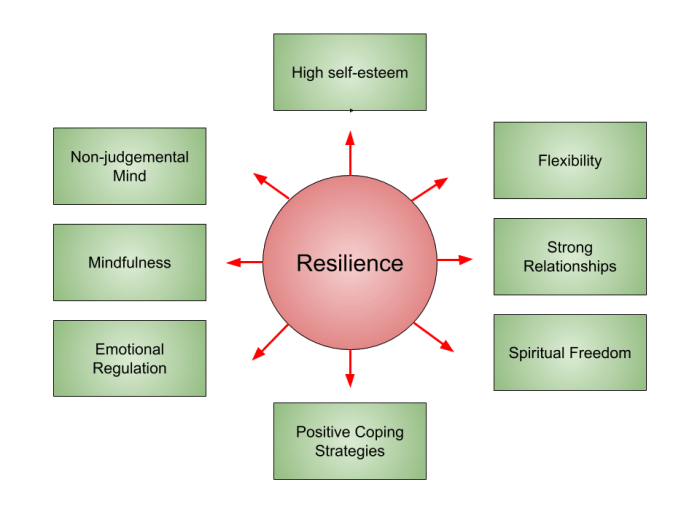
Cognitive Behavioral Therapy (CBT) is a highly effective psychological therapy that has proven its value in enhancing emotional resilience and well-being. It emphasizes the interconnectedness of thoughts, feelings, and behaviors, and provides individuals with the tools to identify and modify negative thought patterns that contribute to emotional distress.
Understanding the Principles of CBT
CBT operates on the principle that our thoughts influence our feelings and behaviors. It acknowledges that while we may not always have control over external events, we can learn to control our reactions to them. This approach empowers individuals to take ownership of their emotional well-being and develop strategies to navigate life’s challenges.
Identifying and Modifying Negative Thought Patterns
A core component of CBT involves identifying and challenging negative thought patterns that contribute to emotional distress. These patterns, often referred to as cognitive distortions, are habitual ways of thinking that can lead to anxiety, depression, and other emotional difficulties.
Examples of CBT Exercises for Emotional Resilience, How to build emotional resilience for better emotional well-being
CBT offers a range of exercises and techniques that can help individuals develop emotional resilience and coping skills. Here are a few examples:
- Thought Records:Keeping a thought record involves identifying negative thoughts, examining the evidence for and against them, and generating alternative, more balanced thoughts. This process helps individuals challenge their distorted thinking and develop more realistic perspectives.
- Cognitive Restructuring:Cognitive restructuring involves actively identifying and changing negative thought patterns. It encourages individuals to challenge their assumptions, question their beliefs, and develop more positive and adaptive ways of thinking.
- Behavioral Activation:This technique focuses on increasing engagement in enjoyable and meaningful activities. By actively engaging in activities that bring pleasure and a sense of accomplishment, individuals can shift their focus away from negative thoughts and feelings and build a sense of self-efficacy.
- Relaxation Techniques:Stress and anxiety can significantly impact emotional resilience. CBT incorporates relaxation techniques, such as deep breathing exercises, progressive muscle relaxation, and mindfulness meditation, to help individuals manage stress and promote a sense of calm.
Emotional Resilience in the Workplace
The workplace can be a source of significant stress, impacting emotional well-being and overall productivity. This stress can arise from various factors, including demanding workloads, challenging colleagues, and organizational changes. Building emotional resilience in the workplace is crucial for navigating these challenges and maintaining a healthy work-life balance.
Strategies for Building Resilience in the Workplace
Developing emotional resilience in the workplace requires a proactive approach, focusing on setting boundaries, managing expectations, and prioritizing self-care.
- Setting Boundaries: Clearly defining work hours and personal time helps protect your emotional well-being. Avoid overworking and prioritize time for relaxation and personal activities. For example, establishing a clear “no work” policy after a certain hour in the evening or during weekends can help create a healthy separation between work and personal life.
- Managing Expectations: It’s essential to set realistic expectations for yourself and your colleagues. Avoid overcommitting and learn to delegate tasks effectively. Understanding your limitations and communicating them clearly can prevent burnout and frustration.
- Prioritizing Self-Care: Taking time for self-care activities such as exercise, meditation, or spending time in nature can help reduce stress and enhance emotional well-being. Incorporating these practices into your daily routine can promote a sense of balance and improve your overall resilience.
The Importance of Workplace Culture and Support Systems
A positive and supportive workplace culture plays a significant role in fostering resilience.
- Open Communication: Open communication channels allow employees to express concerns, share feedback, and seek support from colleagues and supervisors. This can create a sense of belonging and reduce feelings of isolation.
- Empathy and Understanding: A workplace culture that prioritizes empathy and understanding can create a more supportive environment for employees. Recognizing and validating each other’s experiences can contribute to a sense of emotional safety and resilience.
- Access to Resources: Providing employees with access to resources such as employee assistance programs (EAPs), mental health services, and wellness initiatives can significantly enhance resilience. These resources offer valuable support and guidance for managing stress and promoting well-being.
Promoting Emotional Resilience in Children and Adolescents
Fostering emotional resilience in children and adolescents is crucial for their overall well-being and success in life. Resilient individuals are better equipped to cope with challenges, navigate stressful situations, and maintain positive mental health. This section will explore the importance of emotional resilience in young people, provide strategies for parents and educators to promote resilience, and explain the role of social-emotional learning (SEL) in developing this vital skill.
Strategies for Parents and Educators
Parents and educators play a significant role in nurturing emotional resilience in children and adolescents. They can create a supportive environment that encourages healthy coping mechanisms, promotes self-awareness, and fosters a sense of belonging. Here are some strategies:
- Provide a Safe and Supportive Environment:Create a space where children feel safe to express their emotions without judgment. Encourage open communication and active listening.
- Teach Emotional Regulation Skills:Help children identify and label their emotions. Teach them techniques for managing stress, such as deep breathing, mindfulness, or relaxation exercises.
- Promote Problem-Solving Skills:Encourage children to think critically and develop solutions to challenges. Help them break down problems into smaller, manageable steps.
- Build Self-Esteem and Confidence:Encourage children’s interests and talents. Celebrate their achievements and help them learn from their mistakes.
- Foster a Sense of Belonging:Encourage children to participate in activities that connect them with others, such as sports, clubs, or community events.
- Model Healthy Coping Strategies:Children learn by observing their parents and educators. Model positive coping mechanisms for dealing with stress and adversity.
The Role of Social-Emotional Learning (SEL)
Social-emotional learning (SEL) is a critical component of developing emotional resilience. SEL programs teach children and adolescents essential skills, such as self-awareness, self-management, social awareness, relationship skills, and responsible decision-making.
SEL programs help students develop the skills they need to navigate the challenges of adolescence and adulthood.
SEL programs can be integrated into school curricula, extracurricular activities, or community programs. They can help young people develop the emotional intelligence and resilience necessary to thrive in a complex and ever-changing world.
Building Resilience Through Physical Activity and Nutrition
The link between physical activity and emotional well-being is undeniable. Engaging in regular exercise can significantly contribute to building emotional resilience, leading to a more balanced and fulfilling life.
The Benefits of Regular Exercise for Stress Reduction, Mood Regulation, and Overall Health
Regular exercise plays a crucial role in managing stress, regulating mood, and enhancing overall health, all of which contribute to building emotional resilience.
- Stress Reduction:Exercise acts as a natural stress reliever by releasing endorphins, which have mood-boosting effects. Physical activity helps to divert attention away from stressors, promoting relaxation and a sense of well-being.
- Mood Regulation:Exercise has been proven to improve mood and reduce symptoms of anxiety and depression. Regular physical activity helps to regulate the production of neurotransmitters, such as serotonin and dopamine, which play a vital role in mood regulation.
- Improved Sleep:Exercise can enhance sleep quality, leading to better energy levels and improved mood. A good night’s sleep is essential for maintaining emotional resilience.
- Increased Self-Esteem:Achieving fitness goals and feeling stronger can boost self-esteem and confidence, contributing to a more positive outlook on life.
Recommendations for Incorporating Physical Activity into Daily Routines
It is important to find enjoyable ways to incorporate physical activity into daily routines to make it sustainable.
- Set Realistic Goals:Start with small, achievable goals and gradually increase the intensity and duration of workouts as fitness levels improve.
- Find Activities You Enjoy:Choose activities that you find enjoyable and engaging to make exercise a habit. This could include dancing, swimming, hiking, cycling, or team sports.
- Make Exercise a Social Activity:Join a gym, fitness class, or sports team to make exercise more fun and motivating.
- Schedule Exercise Time:Treat exercise like any other important appointment and schedule it into your daily routine.
- Break Up Exercise into Smaller Sessions:If time is limited, break up exercise into shorter sessions throughout the day. Even 10-15 minutes of exercise can make a difference.
The Importance of a Balanced Diet and Its Impact on Emotional Resilience
A balanced diet provides the body with the essential nutrients it needs to function optimally, including supporting mental health and emotional well-being.
- Provides Energy:A balanced diet provides the body with the energy it needs to cope with daily stressors and maintain physical and mental well-being.
- Supports Brain Function:Certain nutrients, such as omega-3 fatty acids, B vitamins, and zinc, are essential for optimal brain function, mood regulation, and cognitive health.
- Reduces Inflammation:Chronic inflammation is linked to mental health issues, such as depression and anxiety. A balanced diet rich in anti-inflammatory foods can help reduce inflammation and improve overall well-being.
- Improves Sleep Quality:A balanced diet can help regulate sleep cycles, leading to better sleep quality and improved mood.
The Role of Specific Nutrients in Supporting Mental Health and Well-being
Specific nutrients play crucial roles in supporting mental health and well-being.
- Omega-3 Fatty Acids:Found in fatty fish, flaxseeds, and walnuts, omega-3 fatty acids are essential for brain function and mood regulation. They have been shown to reduce symptoms of depression and anxiety.
- B Vitamins:B vitamins, particularly B12, are essential for energy production, mood regulation, and cognitive function. Deficiencies in B vitamins can lead to fatigue, irritability, and depression.
- Zinc:Zinc is involved in a variety of brain functions, including mood regulation and cognitive performance. Zinc deficiency can contribute to anxiety and depression.
- Magnesium:Magnesium plays a role in stress reduction and relaxation. It can help to improve sleep quality and reduce symptoms of anxiety.
- Probiotics:Probiotics are beneficial bacteria that reside in the gut. They have been linked to improved mood and reduced symptoms of anxiety and depression.
The Impact of Sleep on Emotional Resilience
Sleep is not just a time for rest; it is a fundamental pillar of our emotional well-being and plays a crucial role in building resilience. When we sleep, our brains and bodies are hard at work, processing information, consolidating memories, and restoring energy.
This restorative process is essential for maintaining emotional balance, managing stress, and coping with life’s challenges.
The Importance of Sleep for Emotional Well-being
Sleep deprivation can have a significant impact on our emotional state, making us more susceptible to negative emotions like anxiety, irritability, and depression. When we are sleep-deprived, our ability to regulate our emotions and cope with stress is compromised. This can lead to impulsive decisions, difficulty concentrating, and increased sensitivity to negative stimuli.
Consequences of Sleep Deprivation and its Impact on Resilience
Sleep deprivation not only affects our emotional well-being but also weakens our resilience. A lack of sleep can impair our cognitive functions, making it harder to think clearly, solve problems, and make sound decisions. This can further exacerbate stress and lead to a vicious cycle of sleep deprivation, emotional distress, and reduced resilience.
Tips for Establishing Healthy Sleep Habits and Improving Sleep Quality
Establishing healthy sleep habits is crucial for improving sleep quality and enhancing emotional resilience. Here are some tips to help you get a good night’s sleep:
- Establish a regular sleep schedule:Go to bed and wake up at the same time every day, even on weekends, to regulate your body’s natural sleep-wake cycle.
- Create a relaxing bedtime routine:Wind down an hour or two before bed by engaging in calming activities like taking a warm bath, reading a book, or listening to soothing music.
- Optimize your sleep environment:Ensure your bedroom is dark, quiet, and cool. Consider using blackout curtains, earplugs, or a white noise machine to block out distractions.
- Avoid caffeine and alcohol before bed:These substances can interfere with sleep and disrupt your sleep cycle.
- Limit screen time before bed:The blue light emitted from electronic devices can suppress melatonin production, a hormone that regulates sleep.
- Get regular exercise:Physical activity can improve sleep quality, but avoid exercising too close to bedtime.
- Expose yourself to sunlight during the day:This helps regulate your circadian rhythm and promote better sleep at night.
The Role of Social Support in Building Resilience
Having a strong social support network is crucial for emotional well-being and resilience. Social connections provide a sense of belonging, purpose, and security, which can buffer against stress and adversity.
Benefits of Strong Social Relationships
Strong social relationships offer numerous benefits for coping with stress and adversity. They provide:
- Emotional Support:Friends, family, and loved ones can offer a listening ear, empathy, and validation during difficult times. This emotional support can help individuals feel less alone and more capable of managing their emotions.
- Practical Assistance:Social networks can provide practical help with tasks like childcare, transportation, or financial assistance. This can reduce stress and free up individuals to focus on their well-being.
- Sense of Belonging:Strong social connections provide a sense of belonging and purpose, which can boost self-esteem and reduce feelings of isolation. This can be particularly important during times of transition or crisis.
- Positive Influence:Social support can encourage healthy habits, such as regular exercise, a balanced diet, and sufficient sleep. This can further enhance resilience and overall well-being.
Building and Maintaining Supportive Relationships
Building and maintaining strong social connections requires effort and intentionality. Here are some tips:
- Nurture Existing Relationships:Make time for friends and family, even when busy. Reach out regularly, share experiences, and offer support when needed.
- Expand Your Network:Join clubs, groups, or organizations that align with your interests. This can provide opportunities to meet like-minded individuals and build new connections.
- Be a Good Listener:Show genuine interest in others and actively listen to their concerns. This fosters trust and strengthens relationships.
- Offer Support:Be there for others when they need you. Offering support shows that you value the relationship and are willing to reciprocate.
- Practice Self-Disclosure:Share your thoughts and feelings with trusted individuals. This can help build intimacy and create a sense of vulnerability that strengthens bonds.
Building Resilience Through Positive Affirmations and Self-Compassion
Positive affirmations and self-compassion are powerful tools for building emotional resilience. They can help you cultivate a more positive self-image, challenge negative thoughts, and develop a stronger sense of self-worth.
The Power of Positive Affirmations
Positive affirmations are statements that express positive beliefs about yourself. They can be used to challenge negative thoughts and promote self-belief. When you repeat positive affirmations regularly, you begin to rewire your brain to think more positively. This can help you to feel more confident, capable, and resilient in the face of challenges.
Examples of Positive Affirmations
Here are some examples of positive affirmations that you can use to enhance your emotional well-being:
- I am strong and capable.
- I am worthy of love and happiness.
- I am resilient and can overcome any challenge.
- I am grateful for all that I have.
- I am learning and growing every day.
The Importance of Self-Compassion
Self-compassion is the ability to treat yourself with kindness, understanding, and acceptance, especially when you are struggling. It is about recognizing that you are not alone in your struggles and that everyone makes mistakes. Self-compassion can help you to cope with difficult emotions, reduce stress, and build resilience.
Practicing Self-Compassion
Here are some tips for practicing self-compassion:
- Be kind to yourself.Treat yourself with the same kindness and understanding that you would offer to a friend in need.
- Recognize that you are not alone.Everyone makes mistakes and experiences difficult times. It is important to remember that you are not alone in your struggles.
- Be patient with yourself.Change takes time.
Be patient with yourself as you work on building your resilience and self-compassion.
The Importance of Setting Boundaries and Saying No
Setting boundaries is crucial for safeguarding your emotional well-being. It allows you to prioritize your needs and protect yourself from emotional exhaustion and burnout. Boundaries act as invisible lines that define what you are comfortable with and what you are not, ensuring that you are not overextending yourself or allowing others to take advantage of you.
Strategies for Setting Healthy Boundaries
Establishing healthy boundaries is essential for maintaining a balanced and fulfilling life. It involves clearly communicating your limits and expectations to others, both in your personal and professional relationships. Here are some effective strategies for setting healthy boundaries:
- Identify Your Values and Needs:Reflect on what is important to you and what you need to feel happy and fulfilled. Understanding your values and needs will help you identify areas where you might need to set boundaries.
- Communicate Your Boundaries Clearly and Assertively:Use “I” statements to express your needs and expectations without blaming or accusing others. For example, instead of saying “You always interrupt me,” you could say “I feel disrespected when I’m interrupted while I’m speaking.”
- Be Consistent and Firm:Once you have established a boundary, stick to it consistently. If you are inconsistent, others will not take your boundaries seriously. If someone pushes your boundaries, calmly and firmly reiterate your limits.
- Set Boundaries in Advance:It’s often easier to set boundaries before you are in a stressful situation. For example, if you know you tend to overcommit, you can set a boundary by saying “I can only take on one new project at a time.”
- Practice Saying No:Saying no can be difficult, but it is an essential skill for setting boundaries. Practice saying no politely but firmly, and don’t feel obligated to give a long explanation.
Tips for Saying No Effectively
Saying no can be challenging, but it is crucial for protecting your time, energy, and emotional well-being. Here are some tips for saying no effectively without feeling guilty or obligated:
- Be Direct and Concise:Avoid making excuses or giving long explanations. A simple “No, thank you” is often sufficient.
- Offer Alternatives:If you can’t fulfill a request, suggest an alternative. For example, you could say “I can’t help you with that project right now, but I can offer you some resources that might be helpful.”
- Focus on Your Needs:Explain why you need to say no, focusing on your own needs and priorities. For example, you could say “I’m already committed to several projects and need to prioritize my time.”
- Practice Saying No in Low-Stakes Situations:Start by saying no in situations where the consequences are minimal. This will help you build confidence and make it easier to say no in more challenging situations.
The Role of Spirituality in Building Resilience
Spirituality, often encompassing a sense of connection to something greater than oneself, can play a significant role in fostering emotional resilience. By providing a framework for meaning, purpose, and hope, spirituality can empower individuals to navigate life’s challenges with greater strength and fortitude.
Spiritual Practices and Inner Strength
Spiritual practices, such as prayer, meditation, and contemplation, can cultivate inner peace and resilience. These practices often involve focusing on the present moment, quieting the mind, and connecting with a higher power. This can help individuals develop a sense of calm and centeredness, enabling them to better cope with stress and adversity.
- Prayer: Engaging in prayer can provide a sense of solace and support, fostering a feeling of connection with a higher power. It can help individuals to find meaning and purpose in their lives, offering a sense of hope and guidance during challenging times.
- Meditation: Regular meditation practice can enhance self-awareness, emotional regulation, and stress management. It involves focusing on the breath and observing thoughts and feelings without judgment, leading to greater clarity and inner peace.
- Contemplation: Contemplation involves deep reflection and introspection, allowing individuals to examine their values, beliefs, and life purpose. It can foster a sense of gratitude and appreciation for the present moment, contributing to overall well-being.
Building Resilience Through Creativity and Self-Expression
Creativity plays a vital role in promoting emotional well-being and resilience. It offers a powerful outlet for processing emotions, managing stress, and finding meaning in life. By engaging in creative activities, individuals can tap into their inner resources and develop a sense of agency and control over their lives.
Benefits of Engaging in Creative Activities
Creative activities offer a wide range of benefits for emotional well-being and resilience. Here are some key advantages:
- Stress Reduction:Engaging in creative activities can help individuals manage stress by providing a healthy outlet for pent-up emotions. Whether it’s painting, playing music, or writing, the process of creating can act as a form of emotional release, allowing individuals to express themselves and process challenging experiences.
- Emotional Regulation:Creativity can be a powerful tool for regulating emotions. By channeling emotions into creative expression, individuals can gain a greater understanding of their feelings and develop healthier coping mechanisms. For example, journaling can help individuals process and make sense of their experiences, while painting or sculpting can provide a visual representation of their emotions.
- Increased Self-Awareness:Engaging in creative activities can foster self-reflection and introspection. The process of creating can help individuals explore their thoughts, feelings, and values, leading to greater self-understanding and personal growth.
- Sense of Purpose and Meaning:Creativity can provide a sense of purpose and meaning in life. By creating something new and unique, individuals can experience a sense of accomplishment and fulfillment. This can be particularly helpful for individuals who are struggling with feelings of emptiness or lack of direction.
- Improved Problem-Solving Skills:Creative activities often involve problem-solving and critical thinking. By exploring different ideas and approaches, individuals can develop their ability to think outside the box and find innovative solutions to challenges.
- Enhanced Cognitive Function:Engaging in creative activities can stimulate the brain and improve cognitive function. Activities like playing a musical instrument or learning a new language can enhance memory, attention, and focus.
Examples of How Creativity Can Help Process Emotions, Cope with Stress, and Find Meaning
There are numerous examples of how creativity can be used to process emotions, cope with stress, and find meaning. Here are a few examples:
- Art Therapy:Art therapy is a form of therapy that uses creative activities, such as painting, drawing, and sculpting, to help individuals express their emotions and improve their mental health. It can be particularly helpful for individuals who are struggling with trauma, anxiety, or depression.
- Music Therapy:Music therapy uses music to address physical, emotional, cognitive, and social needs. Music can be used to reduce stress, improve mood, and enhance communication skills.
- Creative Writing:Writing can be a powerful tool for processing emotions, exploring thoughts and feelings, and finding meaning in life. Journaling, poetry, and fiction writing can all be helpful for emotional well-being.
- Dance and Movement:Dance and movement can be a form of expressive therapy that allows individuals to release emotions and connect with their bodies.
The Importance of Maintaining a Growth Mindset
A growth mindset is a crucial aspect of building emotional resilience, enabling individuals to navigate challenges with a positive outlook and a belief in their ability to learn and grow. It empowers individuals to embrace setbacks as opportunities for learning and development, fostering a sense of adaptability and perseverance.
Understanding a Growth Mindset
A growth mindset is characterized by the belief that abilities and intelligence are not fixed but can be developed through effort, persistence, and a willingness to learn from mistakes. Individuals with a growth mindset view challenges as opportunities for growth and development, rather than as threats to their self-worth.
This mindset fosters a sense of agency and empowers individuals to take ownership of their learning journey.
Overcoming Challenges and Learning from Setbacks
A growth mindset plays a pivotal role in overcoming challenges and learning from setbacks. When faced with difficulties, individuals with a growth mindset are more likely to:
- Embrace the challenge:They see challenges as opportunities for growth and development, rather than as threats to their self-worth.
- Persist in the face of adversity:They are less likely to give up easily and are more willing to put in the effort required to overcome obstacles.
- Learn from mistakes:They view mistakes as opportunities for learning and growth, rather than as failures.
Strategies for Developing a Growth Mindset
Developing a growth mindset is an ongoing process that requires conscious effort and practice. Here are some strategies that can help:
- Focus on the process:Instead of focusing on the outcome, focus on the effort and the learning process. This helps to shift the focus from achieving a specific result to developing skills and knowledge.
- Embrace challenges:View challenges as opportunities for growth and learning. This helps to shift the perspective from seeing challenges as threats to seeing them as opportunities for development.
- Learn from mistakes:View mistakes as opportunities for learning and growth. This helps to shift the perspective from seeing mistakes as failures to seeing them as valuable lessons.
- Seek feedback:Actively seek feedback from others, both positive and negative. This helps to identify areas for improvement and provides valuable insights into one’s strengths and weaknesses.
- Practice self-compassion:Be kind to yourself, especially when facing challenges. This helps to maintain a positive outlook and reduces the impact of setbacks.
- Surround yourself with positive influences:Spend time with people who have a growth mindset and who support your growth and development. This helps to create a positive and supportive environment that encourages learning and growth.
The Role of Humor in Building Resilience: How To Build Emotional Resilience For Better Emotional Well-being
Laughter and humor are powerful tools that can significantly contribute to emotional well-being and resilience. By fostering positive emotions, reducing stress, and enhancing coping skills, humor can help us navigate life’s challenges with greater ease and adaptability.
Humor as a Stress Reducer
Humor can effectively reduce stress by shifting our focus away from negative thoughts and emotions. When we laugh, our bodies release endorphins, which have mood-boosting effects and help alleviate stress. Laughter also helps to relax our muscles, lower our heart rate, and improve our overall physical well-being.
A good chuckle can act as a natural stress reliever, allowing us to approach challenging situations with a more balanced perspective.
Humor as a Coping Mechanism
Humor can be a valuable coping mechanism for dealing with difficult situations. When faced with adversity, humor can help us to reframe our perspective and find meaning in challenging circumstances. By finding the lighter side of things, we can reduce feelings of helplessness and cultivate a sense of hope.
Humor can also help us to connect with others, fostering a sense of community and shared experience.
Humor as a Promoter of Positive Emotions
Laughter is a natural mood booster that can promote positive emotions like joy, happiness, and optimism. When we laugh, our brains release dopamine, a neurotransmitter associated with pleasure and reward. This release of dopamine can enhance our overall sense of well-being and make us more resilient to stress and adversity.
Humor can also help us to cultivate a more positive outlook on life, making it easier to navigate challenges and maintain a sense of hope.
Examples of Humor in Building Resilience
- Self-deprecating humor:This type of humor involves laughing at ourselves and our mistakes, which can help us to let go of perfectionism and embrace our imperfections. By finding humor in our own shortcomings, we can reduce feelings of shame and self-criticism, fostering greater self-acceptance and resilience.
- Finding the funny side of adversity:When faced with a difficult situation, try to find humor in the absurdity of it all. This can help to lighten the mood and make the situation seem less overwhelming. For example, if you lose your keys, you could laugh at the irony of being locked out of your own home.
- Sharing humor with others:Sharing a joke or funny story with friends and family can help to strengthen social bonds and create a sense of community. Laughter is contagious, and sharing humor with others can help to spread positivity and create a more resilient environment.
Building Resilience Through Mindfulness in Everyday Life
Mindfulness is a powerful tool for cultivating emotional resilience. By bringing awareness to the present moment, we can develop a greater understanding of our thoughts, feelings, and sensations, enabling us to respond to challenges with more clarity and composure. Integrating mindfulness into daily life can foster emotional regulation, reduce stress, and enhance overall well-being.
Mindful Breathing
Mindful breathing is a simple yet effective practice that can be incorporated throughout the day. By focusing on the sensation of breath, we can anchor ourselves in the present moment and cultivate a sense of calm.
- Find a quiet space where you can sit or lie down comfortably.
- Close your eyes and bring your attention to your breath.
- Notice the rise and fall of your chest and abdomen as you inhale and exhale.
- If your mind wanders, gently guide it back to your breath.
- Practice mindful breathing for a few minutes each day, gradually increasing the duration as you become more comfortable.
The Importance of Self-Reflection and Journaling
Self-reflection and journaling are powerful tools for cultivating emotional resilience and promoting overall well-being. Engaging in these practices allows us to delve into our thoughts, feelings, and experiences, fostering self-awareness, understanding, and growth.
The Benefits of Self-Reflection and Journaling
Self-reflection and journaling offer a multitude of benefits for emotional well-being. These practices provide a safe and private space for us to explore our inner world, process emotions, and gain insights into our thoughts, behaviors, and motivations.
Journaling as a Tool for Processing Emotions
Journaling can be a cathartic and therapeutic experience, helping us to process difficult emotions and gain a sense of control over our feelings. When we write about our experiences, we can release pent-up emotions, gain perspective, and identify patterns in our emotional responses.
“Journaling is a way of processing emotions, making sense of experiences, and finding meaning in life.”
Sarah Wilson, author of “First, We Make the Beast Beautiful”
Journaling for Identifying Patterns and Gaining Insights
Regular journaling can help us identify recurring thoughts, feelings, and behaviors that may be contributing to our emotional well-being. By tracking our experiences, we can gain insights into our strengths, weaknesses, and triggers, allowing us to make informed choices about our lives.
Tips for Effective Journaling Practices
To maximize the benefits of journaling, consider the following tips:
- Establish a consistent routine:Set aside a specific time each day for journaling, even if it’s just for 10-15 minutes.
- Write freely and without judgment:Don’t worry about grammar or spelling. Let your thoughts flow onto the page without censoring yourself.
- Focus on your emotions:Describe your feelings in detail, including their intensity, triggers, and physical sensations.
- Reflect on your experiences:Analyze your thoughts, behaviors, and reactions to events. What patterns do you notice?
- Set intentions:Use journaling to set goals, identify areas for improvement, and track your progress.
- Experiment with different prompts:There are many journaling prompts available online and in books. Try different prompts to explore different aspects of your life.
Building Resilience Through Embracing Imperfection
Striving for perfection is a common human tendency, but it can be a major obstacle to building emotional resilience. Perfectionism sets us up for disappointment and can lead to self-criticism and feelings of inadequacy. Embracing imperfection, on the other hand, allows us to accept ourselves as we are, with all our flaws and vulnerabilities.
This acceptance is crucial for fostering self-compassion and building resilience in the face of life’s inevitable challenges.
The Importance of Accepting Imperfection and Letting Go of Unrealistic Expectations
Perfectionism is a double-edged sword. While it can motivate us to achieve our goals, it can also lead to anxiety, stress, and a fear of failure. This fear can paralyze us, preventing us from taking risks and pursuing our passions.
Recognizing that perfection is an unattainable ideal is the first step towards embracing imperfection. We need to let go of unrealistic expectations and accept that mistakes are inevitable.
Embracing Imperfection Promotes Self-Compassion and Reduces Self-Criticism
When we embrace imperfection, we become more compassionate towards ourselves. Instead of berating ourselves for our shortcomings, we acknowledge our humanity and accept that everyone makes mistakes. This self-compassion allows us to learn from our experiences without dwelling on our failures.
It helps us to focus on our strengths and build resilience in the face of setbacks.
Strategies for Practicing Self-Acceptance and Celebrating Personal Strengths
Practicing self-acceptance and celebrating personal strengths is an ongoing process that requires effort and commitment. Here are some strategies to help you embrace imperfection:
- Challenge negative self-talk:Pay attention to your inner critic and challenge its negative messages. Replace self-deprecating thoughts with more compassionate and realistic ones. For example, instead of thinking, “I’m such a failure,” try saying, “I made a mistake, but I can learn from it.”
- Focus on your strengths:Take time to appreciate your unique talents and skills. Make a list of your strengths and accomplishments, and remind yourself of them when you feel down.
- Practice gratitude:Cultivating gratitude for the good things in your life can help you shift your focus away from your perceived flaws. Start a gratitude journal and write down three things you are grateful for each day.
- Surround yourself with supportive people:Seek out relationships with people who accept and appreciate you for who you are. Avoid those who constantly criticize or put you down.
- Be kind to yourself:Treat yourself with the same kindness and compassion that you would extend to a loved one. Allow yourself to make mistakes, learn from them, and move on.
Summary
Building emotional resilience is an ongoing process, a commitment to self-care and personal growth. It’s about embracing challenges as opportunities for learning and strengthening our inner fortitude. By incorporating the strategies Artikeld in this guide, you can cultivate a greater sense of inner peace, navigate life’s ups and downs with greater ease, and unlock a profound sense of well-being that empowers you to live a fulfilling and meaningful life.
FAQ Overview
What are some quick tips for improving emotional resilience?
Practice mindfulness meditation, engage in regular exercise, prioritize sleep, cultivate gratitude, and build strong social connections.
How can I deal with negative thoughts that impact my resilience?
Challenge negative thoughts by questioning their validity, reframing them in a more positive light, and practicing self-compassion.
What are some effective stress management techniques?
Deep breathing exercises, progressive muscle relaxation, yoga, and spending time in nature are all effective stress management techniques.
How can I find a therapist or counselor to support my emotional well-being?
You can search online directories, ask for recommendations from trusted friends or family, or contact your insurance provider for a list of in-network therapists.