Disease prevention through proper hygiene practices: Essential Tips for Health

Disease prevention through proper hygiene practices

Disease prevention through proper hygiene practices

Proper hygiene practices play a crucial role in preventing the spread of diseases. By following simple yet effective habits, individuals can minimize the risk of getting sick and protect themselves and others.

Handwashing Importance

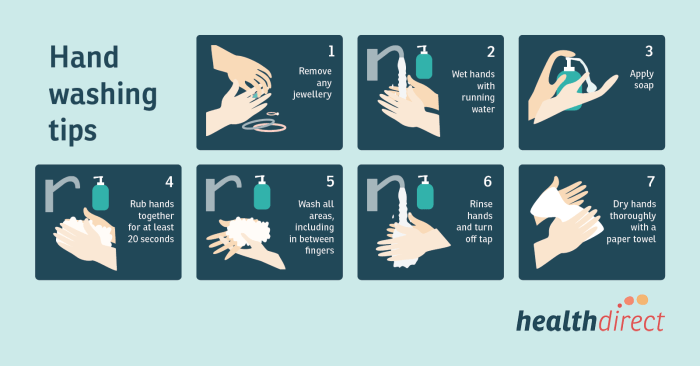
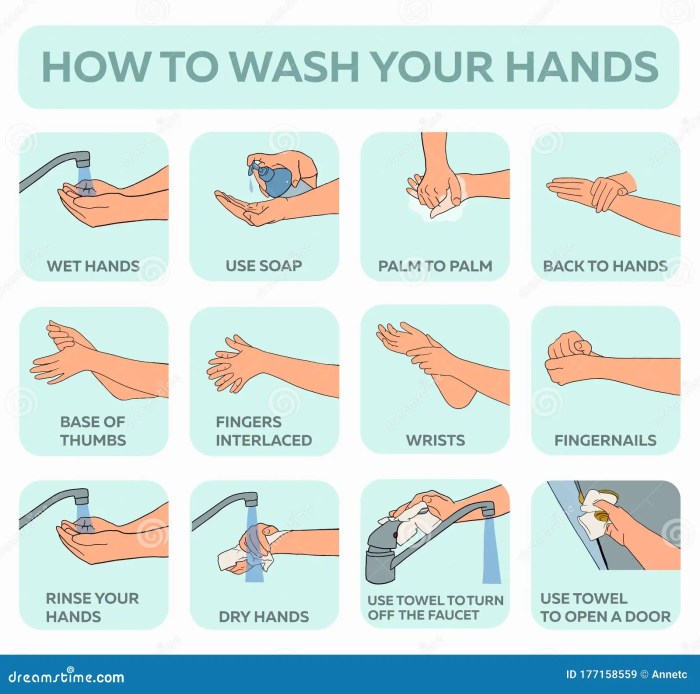
  • Handwashing is one of the most important hygiene practices for disease prevention.
  • Proper handwashing with soap and water can eliminate harmful germs and bacteria.
  • Regular handwashing, especially before eating and after using the restroom, can significantly reduce the chances of contracting illnesses.

Coughing and Sneezing Etiquette

  • Proper coughing and sneezing etiquette can prevent the spread of diseases, including respiratory infections.
  • It is essential to cover your mouth and nose with a tissue or your elbow when coughing or sneezing to prevent the release of droplets containing germs.
  • By following good coughing and sneezing practices, individuals can protect those around them from getting sick.

Cleanliness in Living Spaces

  • Maintaining cleanliness in living spaces is vital for disease prevention.
  • Regular cleaning of surfaces, floors, and frequently touched objects can help eliminate germs and bacteria that cause illnesses.
  • Proper ventilation and sunlight exposure can also contribute to a healthier living environment by reducing the presence of pathogens.

Stress Management

Stress can have a significant impact on our immune system and overall health. When we experience stress, our body releases hormones like cortisol and adrenaline, which can suppress the immune response, making us more susceptible to illnesses. Chronic stress can weaken our immune system over time, leading to a higher risk of infections and other health issues.

Strategies for Managing Stress Effectively

  • Practice relaxation techniques such as deep breathing, meditation, or yoga to calm the mind and body.
  • Engage in regular physical activity, as exercise can help reduce stress levels and improve overall well-being.
  • Ensure you get an adequate amount of sleep each night, as lack of sleep can contribute to increased stress.
  • Connect with friends and family for social support, as having a strong support system can help alleviate stress.
  • Avoid unhealthy coping mechanisms like excessive alcohol consumption or smoking, as these can worsen stress in the long run.

Link Between Stress Reduction and Disease Prevention

Stress reduction plays a crucial role in disease prevention by strengthening the immune system and improving overall health. By managing stress effectively through various strategies, individuals can lower their risk of developing chronic conditions such as heart disease, diabetes, and autoimmune disorders. Prioritizing stress management in daily life can lead to better physical and mental well-being, ultimately supporting a healthier immune system and reducing the likelihood of illness.

Healthy Lifestyle

Maintaining a healthy lifestyle is crucial for disease prevention and overall well-being. It involves a combination of factors such as diet, exercise, mental well-being, and healthy habits. By incorporating these components into daily routines, individuals can significantly reduce the risk of various illnesses and improve their quality of life.

Components of a Healthy Lifestyle

  • Proper Nutrition: A balanced diet rich in fruits, vegetables, whole grains, lean proteins, and healthy fats is essential for providing the body with necessary nutrients to function optimally.
  • Regular Exercise: Physical activity helps strengthen the immune system, improve cardiovascular health, maintain a healthy weight, and reduce the risk of chronic diseases.
  • Mental Well-being: Managing stress, getting enough sleep, practicing mindfulness, and fostering positive relationships are key aspects of mental well-being that contribute to overall health.

Tips for Incorporating Healthy Habits

  • Plan and prepare meals in advance to ensure healthy eating habits.
  • Schedule regular exercise sessions and find activities that you enjoy to make fitness a fun part of your routine.
  • Practice relaxation techniques such as deep breathing, meditation, or yoga to reduce stress and promote mental well-being.
  • Stay hydrated, get enough sleep, and prioritize self-care to maintain a healthy lifestyle.

Role of Diet, Exercise, and Mental Well-being

  • Diet: Eating a nutritious and well-rounded diet provides essential nutrients that support the immune system, boost energy levels, and reduce the risk of chronic diseases.
  • Exercise: Regular physical activity helps improve cardiovascular health, strengthen muscles and bones, enhance mood, and promote overall well-being.
  • Mental Well-being: Managing stress, practicing mindfulness, fostering positive relationships, and getting enough sleep are vital for mental health and emotional well-being, which in turn impact physical health.
  • Medical Innovations

    In recent years, advancements in medical technology have revolutionized disease prevention practices and treatment methods. These innovative breakthroughs have significantly improved healthcare outcomes and paved the way for a brighter future in the field of medicine.

    Artificial Intelligence in Healthcare

    Artificial intelligence (AI) has made a significant impact on disease prevention by enabling more accurate diagnostics and personalized treatment plans. Machine learning algorithms can analyze vast amounts of medical data to identify patterns and predict potential health risks. This technology has enhanced early detection of diseases and improved patient outcomes.

    Precision Medicine

    Precision medicine involves tailoring medical treatment to individual characteristics such as genetics, lifestyle, and environment. This approach allows healthcare providers to develop personalized prevention strategies and targeted therapies. By understanding the unique factors influencing a patient’s health, precision medicine has shown promising results in disease prevention and management.

    Telemedicine and Remote Monitoring

    Telemedicine and remote monitoring technologies have transformed the way healthcare is delivered, especially in the context of disease prevention. Patients can now consult with healthcare professionals remotely, reducing the risk of exposure to infectious diseases. Remote monitoring devices enable real-time tracking of vital signs and symptoms, allowing for early intervention and prevention of complications.

    Nutritional Supplements

    Disease prevention through proper hygiene practices

    Disease prevention through proper hygiene practices – When it comes to boosting immunity and preventing diseases, nutritional supplements play a crucial role in supporting overall health. These supplements provide essential vitamins, minerals, and other nutrients that may be lacking in our diets, helping our bodies function optimally and strengthen our immune system.

    Consulting with Healthcare Professionals

    Before incorporating any nutritional supplements into your daily routine, it is important to consult with healthcare professionals such as doctors or nutritionists. They can provide personalized guidance based on your individual health needs, ensuring that you are taking the right supplements in the correct dosage.

    Key Supplements for Disease Prevention

    • Vitamin C: Known for its immune-boosting properties, vitamin C helps protect against infections and supports the body’s natural defense mechanisms.
    • Vitamin D: Essential for bone health and immune function, vitamin D deficiency has been linked to increased susceptibility to certain diseases.
    • Zinc: This mineral is crucial for the proper functioning of the immune system and can help reduce the duration and severity of colds.
    • Probiotics: These beneficial bacteria support gut health, which is closely linked to immune function and overall well-being.
    • Omega-3 Fatty Acids: Found in fish oil supplements, omega-3s have anti-inflammatory properties that can support heart health and reduce the risk of chronic diseases.

    Fitness Routine: Disease Prevention Through Proper Hygiene Practices

    Regular physical activity plays a crucial role in disease prevention by boosting overall health and well-being. Exercise helps strengthen the immune system, improve cardiovascular health, regulate blood sugar levels, and reduce the risk of chronic diseases.

    Benefits of Regular Physical Activity

    • Improves cardiovascular health and reduces the risk of heart disease
    • Helps maintain a healthy weight and prevent obesity-related conditions
    • Boosts mood and mental well-being by releasing endorphins
    • Enhances muscle strength, flexibility, and endurance
    • Improves sleep quality and overall energy levels

    Examples of Fitness Routines

    • Cardiovascular exercises such as running, cycling, or swimming
    • Strength training with weights or bodyweight exercises
    • Flexibility exercises like yoga or Pilates
    • High-intensity interval training (HIIT) for a quick and effective workout
    • Combination workouts that incorporate different types of exercises for a well-rounded routine

    Exercise and Immune System, Disease prevention through proper hygiene practices

    Regular exercise helps boost the immune system by promoting healthy circulation, reducing inflammation, and improving immune cell function. By staying active, individuals can lower their risk of infections and illnesses, leading to a stronger and more resilient body.

    Health Screenings

    Regular health screenings play a crucial role in detecting diseases early, allowing for timely intervention and treatment. This preventive measure can significantly impact one’s overall health and well-being.

    Types of Screenings

    • Mammograms for breast cancer screening
    • Colonoscopies for colorectal cancer detection
    • Blood pressure checks for hypertension
    • Blood tests for cholesterol levels
    • Pap smears for cervical cancer screening

    Guidelines for Routine Health Screenings

    It is recommended to consult with a healthcare provider to determine the appropriate screenings based on age, gender, family history, and personal health.

    • Follow the recommended screening schedule provided by healthcare professionals.
    • Prepare for screenings as advised, which may include fasting or specific preparations.
    • Be proactive in scheduling screenings and keeping track of results for future reference.
    • Discuss any concerns or symptoms with your healthcare provider promptly to address potential health issues.

    Sleep Hygiene

    Good sleep hygiene is essential for maintaining overall health and well-being. It refers to a set of healthy habits and practices that promote quality sleep on a regular basis. Adequate sleep is crucial for various bodily functions, including immune system regulation, hormone production, and cognitive performance.

    Significance of Good Sleep Hygiene

    • Adequate sleep plays a vital role in supporting the immune system, helping the body fight off infections and illnesses.
    • Proper sleep hygiene can improve mood, reduce stress levels, and enhance overall mental health.
    • Quality sleep is necessary for optimal brain function, memory consolidation, and learning ability.

    Tips for Improving Sleep Quality and Duration

    • Establish a consistent sleep schedule by going to bed and waking up at the same time each day, even on weekends.
    • Create a relaxing bedtime routine to signal your body that it’s time to wind down, such as reading a book or taking a warm bath.
    • Ensure your sleep environment is conducive to rest, with a comfortable mattress, pillows, and a cool, dark, and quiet room.
    • Avoid stimulants like caffeine and nicotine close to bedtime, and limit alcohol consumption, as they can disrupt sleep patterns.

    Link Between Sleep Deprivation and Increased Susceptibility to Illnesses

    • Chronic sleep deprivation can weaken the immune system, making the body more vulnerable to infections, colds, and other illnesses.
    • Lack of sleep can lead to inflammation in the body, contributing to the development of chronic conditions like heart disease, diabetes, and obesity.
    • Poor sleep quality and duration have been associated with an increased risk of mental health disorders, such as depression and anxiety.

    Mental Clarity

    Mental clarity plays a crucial role in disease prevention and overall well-being. By enhancing cognitive function and reducing stress, individuals can boost their immunity and lower the risk of various health issues.

    Enhancing Mental Clarity through Mindfulness and Relaxation

    Mindfulness and relaxation techniques are effective ways to enhance mental clarity. Practices such as meditation, deep breathing exercises, and yoga can help calm the mind, improve focus, and reduce anxiety. By incorporating these techniques into daily routines, individuals can experience increased mental clarity and better cognitive function.

    Benefits of Mental Clarity on Overall Well-being and Immunity

    • Improved decision-making: Clearer thinking leads to better decision-making in various aspects of life, including health choices and disease prevention.
    • Reduced stress: Mental clarity helps to reduce stress levels, which in turn can strengthen the immune system and lower the risk of illnesses.
    • Enhanced productivity: When the mind is clear and focused, individuals are more productive and efficient in their daily tasks, leading to better overall well-being.
    • Better emotional health: Mental clarity is linked to improved emotional health, helping individuals to manage emotions and cope with challenges effectively.

    Hydration Importance

    Disease prevention through proper hygiene practices
    Proper hydration plays a crucial role in supporting the immune system and preventing diseases. Dehydration can lead to a range of health issues and weaken the body’s ability to fight off infections. It is essential to maintain optimal hydration levels to ensure overall well-being.

    Tips for Staying Hydrated

    • Carry a reusable water bottle with you throughout the day to remind yourself to drink water regularly.
    • Set reminders on your phone or computer to take water breaks at specific intervals.
    • Infuse your water with fruits or herbs for added flavor to encourage increased intake.
    • Drink water before, during, and after exercise to replenish fluids lost through sweat.
    • Monitor your urine color – pale yellow indicates good hydration levels.

    Effects of Dehydration on Health

    Dehydration can have detrimental effects on overall health and increase susceptibility to diseases. Some consequences of dehydration include:

    • Impaired cognitive function and concentration
    • Increased risk of kidney stones and urinary tract infections
    • Digestive issues such as constipation
    • Mood swings and irritability
    • Reduced physical performance and endurance

    Clarifying Questions

    How often should I wash my hands to prevent diseases?

    It is recommended to wash your hands frequently, especially after using the restroom, before eating, and after being in public places.

    Can proper coughing and sneezing etiquette really help prevent the spread of diseases?

    Yes, covering your mouth and nose when coughing or sneezing can significantly reduce the transmission of germs to others.

    Why is maintaining cleanliness in living spaces important for disease prevention?

    Clean living spaces help eliminate harmful bacteria and viruses that can cause illnesses, thus reducing the risk of infections.

    Is stress management linked to disease prevention through hygiene practices?

    While stress management is not directly related to hygiene practices, reducing stress can boost immunity and overall health, complementing disease prevention efforts.

Lifestyle changes for disease prevention: Tips for a Healthier Future

Lifestyle changes for disease prevention

Stress Management

Stress management plays a crucial role in disease prevention as chronic stress can weaken the immune system and increase the risk of various health conditions. It is essential to incorporate stress-relief techniques into daily life to maintain overall well-being.

Examples of Stress-Relief Techniques

  • Practice deep breathing exercises: Deep breathing can help calm the mind and reduce stress levels.
  • Engage in physical activity: Regular exercise is a great way to release endorphins and alleviate stress.
  • Try meditation or mindfulness: These practices can help improve focus and reduce anxiety.
  • Spend time in nature: Being outdoors and connecting with nature can have a calming effect on the mind.

Impact of Stress on Health and the Immune System

Stress can have a profound impact on overall health and the immune system. Chronic stress can lead to inflammation in the body, making individuals more susceptible to illnesses. It can also affect sleep patterns, digestion, and mental health. Managing stress effectively is essential for maintaining a strong immune system and preventing the onset of various diseases.

Healthy Lifestyle: Lifestyle Changes For Disease Prevention

Maintaining a healthy lifestyle is crucial for disease prevention and overall well-being. A healthy lifestyle encompasses various components such as diet, exercise, and mental well-being. By incorporating these elements into your daily routine, you can significantly improve your health and reduce the risk of developing chronic diseases.

Role of Diet

Diet plays a key role in maintaining a healthy lifestyle. A balanced diet rich in fruits, vegetables, whole grains, lean proteins, and healthy fats is essential for providing your body with the necessary nutrients to function optimally. Limiting processed foods, sugary beverages, and excessive salt intake can help prevent various health conditions such as obesity, heart disease, and diabetes.

Role of Exercise

Regular physical activity is another vital component of a healthy lifestyle. Engaging in aerobic exercises, strength training, and flexibility exercises can improve cardiovascular health, build muscle strength, and enhance overall fitness. Aim for at least 150 minutes of moderate-intensity exercise per week to reap the benefits of physical activity and reduce the risk of chronic diseases.

Role of Mental Well-being

Mental well-being is often overlooked but is equally important for maintaining a healthy lifestyle. Managing stress, practicing mindfulness, and getting an adequate amount of sleep are essential for overall mental health. Engaging in activities you enjoy, seeking support from loved ones, and practicing relaxation techniques can help improve your mental well-being and reduce the risk of mental health disorders.

Transitioning to a Healthier Lifestyle

Transitioning to a healthier lifestyle can be daunting, but it is achievable with gradual changes. Start by setting realistic goals, such as incorporating more fruits and vegetables into your meals, taking short walks during the day, or practicing mindfulness for a few minutes each day. Small changes over time can lead to significant improvements in your health and well-being.

Medical Innovations

In recent years, there have been significant advancements in the field of preventive medicine that have revolutionized the way we approach disease prevention and management. These innovations have been made possible due to the integration of technology in healthcare, leading to improved outcomes and better quality of life for patients.

AI in Disease Diagnosis

Artificial intelligence (AI) has played a crucial role in disease prevention by enhancing diagnostic accuracy and efficiency. AI-powered algorithms can analyze vast amounts of medical data to detect patterns and identify potential health risks at an early stage. This technology has significantly improved the early detection of diseases such as cancer, cardiovascular conditions, and neurological disorders.

Telemedicine and Remote Monitoring

Telemedicine has become increasingly popular, allowing patients to consult with healthcare providers remotely. This has been particularly beneficial for individuals living in remote areas or those with limited access to healthcare facilities. Additionally, remote monitoring devices enable continuous tracking of vital signs and health parameters, providing valuable data for preventive interventions.

Precision Medicine

Precision medicine focuses on personalized treatment plans tailored to an individual’s genetic makeup, lifestyle, and environmental factors. By analyzing a patient’s unique characteristics, healthcare providers can deliver targeted therapies that are more effective and have fewer side effects. This approach has been particularly successful in the treatment of genetic disorders and certain types of cancer.

Robotic Surgery

Robotic surgery has revolutionized the field of surgery, allowing for more precise and minimally invasive procedures. This technology enables surgeons to operate with enhanced precision, reducing the risk of complications and speeding up recovery times. Robotic surgery has been widely adopted in various specialties, including urology, gynecology, and cardiac surgery.

Nutritional Supplements

Nutritional supplements play a crucial role in supporting disease prevention by providing essential vitamins, minerals, and other nutrients that may be lacking in a person’s diet. These supplements are designed to bridge the gap between what people need and what they actually consume through their regular diet.

Benefits of Nutritional Supplements

  • Provide essential nutrients: Nutritional supplements can help fill in the gaps in your diet, ensuring you get all the necessary vitamins and minerals for optimal health.
  • Support overall well-being: Certain supplements can boost immunity, improve energy levels, and promote better cognitive function.
  • Aid in specific health conditions: Some supplements are targeted towards specific health concerns such as bone health, heart health, or skin conditions.

Potential Risks of Nutritional Supplements

  • Overconsumption: Taking too many supplements can lead to an overdose of certain nutrients, causing adverse effects on health.
  • Interactions with medications: Some supplements may interact with prescription medications, leading to complications or reduced effectiveness of the medication.
  • Poor quality supplements: Not all supplements are created equal, and some may contain harmful ingredients or contaminants. It’s essential to choose reputable brands.

Choosing the Right Supplements

  • Consult a healthcare professional: Before starting any new supplement regimen, it’s crucial to speak with a healthcare provider to determine your specific needs and potential interactions with medications.
  • Look for quality certifications: Choose supplements that have been tested by third-party organizations for quality, purity, and potency.
  • Consider your individual needs: Select supplements based on your age, gender, health goals, and any existing health conditions you may have.

Fitness Routine

Lifestyle changes for disease prevention
Regular physical activity is crucial for preventing various diseases and maintaining overall health and well-being. Incorporating a fitness routine into your lifestyle can help improve cardiovascular health, strengthen muscles, and boost mental well-being.

Effective Exercises for Different Age Groups

  • For children and adolescents: Encourage activities like running, swimming, biking, and team sports to promote healthy growth and development.
  • For adults: Incorporate a mix of cardio, strength training, and flexibility exercises such as jogging, weight lifting, yoga, and Pilates to improve overall fitness levels.
  • For older adults: Focus on exercises that improve balance, coordination, and flexibility like Tai Chi, water aerobics, and walking to maintain mobility and prevent falls.

Contribution to Overall Health and Well-being

Regular physical activity not only helps in disease prevention but also has numerous benefits for overall health. Exercise can help reduce stress, improve mood, boost energy levels, and enhance cognitive function. Additionally, staying active can lower the risk of chronic conditions such as heart disease, diabetes, and obesity. Remember to consult with a healthcare professional before starting any new fitness routine, especially if you have any underlying health conditions.

Health Screenings

Regular health screenings play a crucial role in disease prevention by allowing early detection and treatment of potential health issues. These screenings are essential for maintaining overall health and well-being, as they can help identify risk factors and conditions before they become serious problems.

Recommended Screenings by Age Groups

  • For adults in their 20s and 30s, screenings such as blood pressure, cholesterol, and skin cancer checks are typically recommended.
  • Individuals in their 40s and 50s should consider additional screenings like mammograms, colonoscopies, and bone density tests.
  • As people reach their 60s and beyond, screenings for conditions such as diabetes, vision and hearing loss, and cognitive function become more important.

Common Screenings Based on Risk Factors

  • Individuals with a family history of certain diseases may need more frequent screenings to monitor their health status and catch any issues early.
  • Those with lifestyle factors like smoking, obesity, or sedentary habits should undergo screenings for heart disease, diabetes, and other related conditions.

Importance of Early Detection, Lifestyle changes for disease prevention

Regular health screenings can lead to early detection of diseases, increasing the chances of successful treatment and improved outcomes. By identifying health problems in their early stages, individuals have the opportunity to make necessary lifestyle changes and seek appropriate medical interventions to prevent further complications. Remember, prevention is always better than cure when it comes to maintaining good health.

Disease Prevention

Lifestyle changes for disease prevention – Preventing common diseases through lifestyle changes is a crucial aspect of maintaining overall health and well-being. By making strategic modifications to our daily habits, we can significantly reduce the risk of developing chronic conditions and lead a healthier life.

Key Strategies for Disease Prevention

Implementing the following key strategies can help in preventing various common diseases:

  • Regular exercise: Engaging in physical activity on a consistent basis can boost immunity and promote overall health.
  • Healthy diet: Consuming a balanced diet rich in fruits, vegetables, whole grains, and lean proteins can provide essential nutrients to the body.
  • Quitting smoking: Tobacco use is linked to numerous health issues, so quitting smoking is imperative for disease prevention.
  • Managing stress: Chronic stress can weaken the immune system, making individuals more susceptible to illnesses.

Reducing Risk of Chronic Conditions

Lifestyle modifications play a vital role in reducing the risk of chronic conditions such as heart disease, diabetes, and hypertension. By maintaining a healthy weight, monitoring blood pressure and blood sugar levels, and avoiding excessive alcohol consumption, individuals can significantly lower their chances of developing these conditions.

Success Stories in Disease Prevention

There are numerous inspiring success stories of individuals who have prevented diseases through lifestyle changes. For instance, a middle-aged individual who adopted a plant-based diet and engaged in regular exercise successfully reversed their diabetes diagnosis. Another individual who quit smoking and incorporated stress-reducing activities into their daily routine saw a significant improvement in their overall health and well-being.

Sleep Hygiene

Good sleep hygiene plays a crucial role in disease prevention as it is essential for overall health and well-being. Poor sleep can have a detrimental impact on various aspects of physical and mental health, making it vital to establish healthy sleep habits.

Importance of Good Sleep Hygiene

Maintaining good sleep hygiene is important for disease prevention as it helps regulate essential bodily functions, such as hormone production, immune system functioning, and cognitive processes. Adequate and quality sleep is necessary for the body to repair and rejuvenate itself, promoting overall health and reducing the risk of chronic diseases.

  • Avoid stimulants like caffeine and electronic devices before bedtime.
  • Create a relaxing bedtime routine to signal to your body that it’s time to sleep.
  • Ensure your sleep environment is comfortable, quiet, and dark.
  • Stick to a consistent sleep schedule by going to bed and waking up at the same time every day.

Impact of Poor Sleep on Health

Poor sleep can lead to a range of health issues, including increased risk of heart disease, obesity, diabetes, and mental health disorders. It can also impair cognitive function, mood regulation, and immune system response, affecting overall well-being and quality of life.

  • Chronic sleep deprivation can disrupt hormone levels, leading to weight gain and metabolic disorders.
  • Insufficient sleep is linked to an increased risk of developing conditions like hypertension and cardiovascular disease.
  • Poor sleep quality can contribute to mood disorders such as depression and anxiety.

Tips for Improving Sleep Quality

Improving sleep quality involves adopting healthy habits and creating a conducive sleep environment to ensure restful and rejuvenating sleep. By following these tips, you can enhance your sleep hygiene and promote better overall health.

  1. Avoid consuming heavy meals and alcohol close to bedtime.
  2. Engage in regular physical activity during the day to promote better sleep quality.
  3. Practice relaxation techniques like deep breathing or meditation to reduce stress and promote relaxation before bedtime.

Mental Clarity

Mental clarity plays a crucial role in disease prevention as it directly impacts our overall well-being. When our mind is clear and focused, we are better equipped to make healthy choices and maintain a balanced lifestyle.

Furthermore, mental well-being has a significant influence on our physical health. Chronic stress, anxiety, and negative thought patterns can weaken our immune system, making us more susceptible to various illnesses. On the other hand, a calm and clear mind can boost our immune function and improve our body’s ability to fight off infections and diseases.

Techniques for Enhancing Mental Clarity

  • Practice Mindfulness: Engaging in mindfulness activities such as meditation, deep breathing exercises, and yoga can help calm the mind and improve focus.
  • Stay Active: Regular physical exercise not only benefits the body but also enhances cognitive function and mental clarity.
  • Get Sufficient Sleep: Prioritize quality sleep to allow your brain to rest and recharge, promoting mental clarity and sharpness.
  • Healthy Diet: Consuming nutrient-rich foods like fruits, vegetables, whole grains, and omega-3 fatty acids can support brain health and cognitive function.
  • Stay Hydrated: Dehydration can impair cognitive function, so make sure to drink an adequate amount of water throughout the day.

Hydration Importance

Maintaining proper hydration is crucial for overall health and plays a significant role in disease prevention. Adequate hydration is essential for various bodily functions and can have a profound impact on our well-being.

Benefits of Hydration

  • Helps regulate body temperature and prevent overheating
  • Aids in digestion and nutrient absorption
  • Supports kidney function by flushing out toxins
  • Improves skin health and appearance
  • Boosts energy levels and overall cognitive function

Tips for Ensuring Hydration

  • Carry a reusable water bottle with you throughout the day
  • Set reminders to drink water regularly
  • Incorporate hydrating foods like fruits and vegetables into your diet
  • Avoid excessive caffeine and alcohol consumption, as they can dehydrate the body
  • Monitor your urine color – pale yellow indicates proper hydration

Popular Questions

How important is stress management for disease prevention?

Stress management plays a vital role in preventing diseases by reducing the negative impact of stress on overall health and the immune system.

What is the significance of regular health screenings in disease prevention?

Regular health screenings are crucial for early detection of potential health issues, allowing for timely intervention and prevention of diseases.

How does hydration contribute to disease prevention?

Proper hydration is essential for maintaining overall health and preventing diseases as it supports various bodily functions and processes.