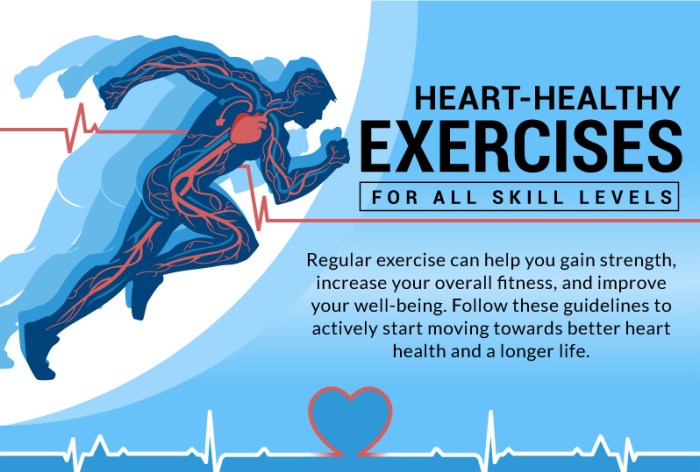
How regular exercise contributes to heart disease prevention is a topic that has garnered increasing attention in recent years, as researchers continue to unravel the complex interplay between physical activity and cardiovascular health. While it’s widely known that exercise is beneficial for overall well-being, its specific impact on heart health deserves closer examination.
From strengthening the heart muscle and improving blood flow to reducing blood pressure and cholesterol levels, regular exercise emerges as a potent weapon in the fight against heart disease. This article delves into the mechanisms by which exercise protects the cardiovascular system, exploring different types of physical activity, recommended guidelines, and the crucial role of a healthy lifestyle in conjunction with exercise.
Healthy Lifestyle
A healthy lifestyle plays a crucial role in heart disease prevention. By adopting healthy habits, you can significantly reduce your risk of developing heart disease and improve your overall well-being.
Diet
A heart-healthy diet is essential for preventing heart disease. It focuses on consuming nutrient-rich foods while limiting unhealthy fats and sugars.
- Fruits and Vegetables:Aim for at least five servings of fruits and vegetables daily. These are rich in vitamins, minerals, and antioxidants that protect your heart. Examples include apples, bananas, berries, broccoli, carrots, and spinach.
- Whole Grains:Choose whole grains over refined grains, as they provide more fiber, which helps lower cholesterol levels and regulate blood sugar. Examples include brown rice, quinoa, oats, and whole-wheat bread.
- Lean Protein:Include lean protein sources like fish, poultry, beans, and lentils in your diet. These are good sources of protein and omega-3 fatty acids, which are beneficial for heart health.
- Healthy Fats:Opt for healthy fats like those found in olive oil, avocados, nuts, and seeds. These fats help lower bad cholesterol levels and improve heart health.
- Limit Saturated and Trans Fats:These fats raise bad cholesterol levels and increase your risk of heart disease. Reduce your intake of red meat, butter, fried foods, and processed foods that are high in saturated and trans fats.
- Limit Sugar:Excess sugar can contribute to weight gain, high blood pressure, and increased triglyceride levels, all of which are risk factors for heart disease. Limit your intake of sugary drinks, desserts, and processed foods.
Sleep, How regular exercise contributes to heart disease prevention
Adequate sleep is crucial for heart health. When you sleep, your body repairs and rejuvenates itself, including your cardiovascular system.
- Regular Sleep Schedule:Maintaining a regular sleep schedule, even on weekends, helps regulate your body’s natural sleep-wake cycle, promoting better sleep quality.
- Adequate Sleep Duration:Most adults need around 7-8 hours of sleep per night. Aim for this amount of sleep to allow your body sufficient time to rest and recover.
- Sleep Environment:Create a conducive sleep environment by ensuring your bedroom is dark, quiet, and cool.
Smoking Cessation
Smoking is one of the most significant risk factors for heart disease. Quitting smoking is one of the most effective ways to reduce your risk.
- Benefits of Quitting:Quitting smoking immediately reduces your risk of heart disease and other health problems. The benefits of quitting smoking start within hours of your last cigarette.
- Support Resources:Seek support from healthcare professionals, support groups, or online resources to help you quit smoking.
- Nicotine Replacement Therapy:Nicotine replacement therapy (NRT) can help reduce withdrawal symptoms and cravings. NRT is available in various forms, including patches, gum, and lozenges.
Medical Innovations
The fight against heart disease has been significantly aided by advancements in medical technology and treatments. These innovations have led to improved methods for early detection, prevention, and management of heart disease, offering a brighter outlook for patients.
Minimally Invasive Procedures
Minimally invasive procedures have revolutionized the treatment of heart disease, offering a less invasive alternative to traditional open-heart surgery. These procedures, performed through small incisions, minimize tissue damage, leading to faster recovery times and reduced complications.
- Angioplasty and Stenting:This procedure involves inserting a thin, flexible tube called a catheter into a blocked artery. A balloon at the tip of the catheter is inflated to open the artery, and a stent, a small mesh tube, is placed to keep the artery open.
This procedure is used to treat coronary artery disease, a common form of heart disease.
- Transcatheter Aortic Valve Replacement (TAVR):This procedure involves replacing a damaged aortic valve with a new valve inserted through a catheter. TAVR is a minimally invasive alternative to open-heart surgery for patients with aortic stenosis, a narrowing of the aortic valve.
- Ablation:This procedure uses heat or cold to destroy abnormal heart tissue that causes irregular heartbeats. Ablation is often used to treat atrial fibrillation, a common type of irregular heartbeat.
Drug Therapies
Advances in drug therapy have provided new and effective treatments for heart disease, improving patient outcomes and quality of life.
- Statins:These drugs lower cholesterol levels in the blood, reducing the risk of heart disease. Statins are commonly prescribed to patients with high cholesterol levels and those with a history of heart disease.
- ACE inhibitors:These drugs help relax blood vessels, lower blood pressure, and reduce the risk of heart attack and stroke. ACE inhibitors are often prescribed to patients with high blood pressure and heart failure.
- Beta-blockers:These drugs slow the heart rate and reduce blood pressure, improving heart function and reducing the risk of heart attack and stroke. Beta-blockers are often prescribed to patients with high blood pressure, heart failure, and after a heart attack.
- Aspirin:This drug helps prevent blood clots from forming, reducing the risk of heart attack and stroke. Aspirin is often prescribed to patients with a history of heart disease or at high risk of developing heart disease.
Benefits, Risks, and Limitations
| Medical Innovation | Benefits | Risks | Limitations |
|---|---|---|---|
| Angioplasty and Stenting | Reduces chest pain, improves blood flow, and lowers the risk of heart attack. | Bleeding, blood clots, and allergic reactions. | Not effective for all types of coronary artery disease. |
| TAVR | Less invasive than open-heart surgery, shorter recovery time, and lower risk of complications. | Bleeding, stroke, and infection. | Not suitable for all patients with aortic stenosis. |
| Ablation | Effective in treating irregular heartbeats, improving quality of life. | Bleeding, stroke, and infection. | Not effective for all types of irregular heartbeats. |
| Statins | Lower cholesterol levels, reduce the risk of heart disease. | Muscle pain, liver damage, and allergic reactions. | Not effective for all types of high cholesterol. |
| ACE inhibitors | Lower blood pressure, reduce the risk of heart attack and stroke. | Cough, dizziness, and kidney problems. | Not effective for all types of high blood pressure. |
| Beta-blockers | Slow the heart rate, reduce blood pressure, and improve heart function. | Fatigue, dizziness, and shortness of breath. | Not effective for all types of high blood pressure. |
| Aspirin | Prevent blood clots, reduce the risk of heart attack and stroke. | Bleeding, stomach upset, and allergic reactions. | Not suitable for all patients, including those with bleeding disorders. |
Health Screenings
Regular health screenings play a crucial role in early detection and prevention of heart disease. By identifying potential risk factors and abnormalities early on, individuals can take proactive steps to manage their heart health and reduce their chances of developing serious complications.
Types of Screenings
These screenings help identify risk factors and potential issues related to heart health.
- Blood Pressure Checks:Regular blood pressure checks are essential for monitoring hypertension, a major risk factor for heart disease. A healthy blood pressure reading is typically less than 120/80 mmHg. High blood pressure can damage blood vessels and increase the risk of heart attacks, strokes, and other cardiovascular problems.
- Cholesterol Tests:Cholesterol levels are measured to assess the risk of heart disease. High levels of LDL (“bad”) cholesterol can lead to plaque buildup in arteries, while high levels of HDL (“good”) cholesterol can help remove plaque. Doctors recommend getting your cholesterol checked every 4-6 years, or more often if you have risk factors.
- Electrocardiograms (EKGs):An EKG records the electrical activity of the heart, helping to detect abnormalities such as irregular heart rhythms, heart attacks, and other heart conditions. EKGs are typically recommended for people with a family history of heart disease, those with symptoms such as chest pain or shortness of breath, or as part of a routine physical exam.
Frequency and Timing of Screenings
The frequency and timing of screenings depend on various factors, including age, family history, and individual risk factors.
- Age:The American Heart Association recommends starting regular blood pressure and cholesterol screenings at age 20. The frequency of these screenings increases with age, as the risk of heart disease rises. For example, individuals over 40 should get their blood pressure checked at least once a year, and those over 60 should get it checked every 3-6 months.
- Family History:If you have a family history of heart disease, you may need to start screenings earlier and have them more frequently. For instance, if your parent or sibling had a heart attack before age 55, you should begin getting screened for heart disease at a younger age.
- Risk Factors:Certain risk factors, such as smoking, high blood pressure, high cholesterol, diabetes, and obesity, can increase your risk of heart disease. Individuals with these risk factors may need more frequent screenings to monitor their heart health.
Disease Prevention
Preventing heart disease is a crucial aspect of maintaining overall health and well-being. It involves proactive measures to reduce the risk of developing heart disease in the first place. This is known as primary prevention, which is distinct from secondary prevention, which focuses on preventing further complications or recurrence in individuals who have already experienced heart disease.
Primary Prevention
Primary prevention of heart disease focuses on preventing the disease from developing in the first place. This involves adopting healthy lifestyle habits and addressing modifiable risk factors that contribute to heart disease. These include:
- Diet: A balanced diet rich in fruits, vegetables, whole grains, and lean protein can lower cholesterol levels and blood pressure, reducing the risk of heart disease.
- Exercise: Regular physical activity strengthens the heart muscle, improves blood circulation, and helps control weight, all of which contribute to heart health.
- Stress Management: Chronic stress can elevate blood pressure and increase the risk of heart disease. Techniques like yoga, meditation, and deep breathing can help manage stress levels.
- Smoking Cessation: Smoking damages blood vessels and increases the risk of heart disease. Quitting smoking is essential for preventing heart disease.
- Alcohol Consumption: Excessive alcohol intake can raise blood pressure and increase the risk of heart disease. Moderation is key, with recommendations varying depending on individual factors.
Genetic Testing
Genetic testing can play a role in identifying individuals at increased risk of heart disease. Certain genetic variations can predispose individuals to conditions like high cholesterol or heart rhythm abnormalities. Genetic testing can help tailor prevention strategies based on an individual’s genetic predisposition.
For example, individuals with a genetic predisposition to high cholesterol may benefit from more aggressive cholesterol-lowering medications or dietary modifications.
Mental Clarity
A healthy mind is just as important as a healthy body when it comes to heart health. Stress and anxiety can have a significant negative impact on the cardiovascular system, increasing the risk of heart disease.
Techniques for Promoting Mental Clarity and Reducing Stress
Stress and anxiety can have a significant impact on your heart health. They can trigger the release of hormones that increase your heart rate and blood pressure, which can put strain on your cardiovascular system. Chronic stress can also lead to unhealthy habits, such as smoking, poor diet, and lack of exercise, which further increase the risk of heart disease.
- Mindfulnessis a practice that involves focusing your attention on the present moment without judgment. It can help to reduce stress and anxiety by calming the mind and body. Mindfulness techniques include meditation, deep breathing exercises, and yoga.
- Meditationis a practice that involves focusing your attention on a single point, such as your breath or a mantra. Regular meditation can help to reduce stress, improve sleep, and increase self-awareness.
- Cognitive Behavioral Therapy (CBT)is a type of therapy that helps people identify and change negative thoughts and behaviors. CBT can be effective in reducing stress and anxiety and improving mental well-being.
Benefits of Regular Exercise for Mental Well-being
Regular exercise can have a significant positive impact on mental health, reducing stress, anxiety, and depression. It releases endorphins, which have mood-boosting effects, and can help to improve sleep quality, which is essential for overall well-being.
- Reduced Stress and Anxiety: Exercise can help to reduce stress and anxiety by releasing endorphins, which have mood-boosting effects. It can also help to improve sleep quality, which is essential for managing stress.
- Improved Mood: Exercise can help to improve mood by releasing endorphins, which have mood-boosting effects. It can also help to reduce feelings of sadness and anxiety.
- Increased Self-Esteem: Exercise can help to increase self-esteem by providing a sense of accomplishment and improving physical fitness. It can also help to boost confidence and self-image.
- Reduced Risk of Heart Disease: Exercise can help to reduce the risk of heart disease by improving cardiovascular health, lowering blood pressure, and reducing cholesterol levels.
Cardiovascular Health
A healthy cardiovascular system is essential for overall well-being and disease prevention. It’s responsible for delivering oxygen-rich blood to every cell in the body, and any disruption to this process can have serious consequences. Maintaining optimal cardiovascular health can significantly reduce the risk of heart disease, stroke, and other related conditions.
Factors Contributing to Cardiovascular Health
Maintaining optimal cardiovascular health involves a combination of lifestyle choices and proactive measures.
- Diet: A balanced diet rich in fruits, vegetables, whole grains, and lean protein can help lower cholesterol levels, regulate blood pressure, and reduce the risk of heart disease. Limiting saturated and trans fats, processed foods, and excessive salt intake is crucial.
- Exercise: Regular physical activity strengthens the heart muscle, improves blood circulation, lowers blood pressure, and helps maintain a healthy weight. Aim for at least 150 minutes of moderate-intensity aerobic activity or 75 minutes of vigorous-intensity aerobic activity per week.
- Stress Management: Chronic stress can contribute to high blood pressure, increased heart rate, and unhealthy lifestyle choices. Effective stress management techniques such as yoga, meditation, deep breathing exercises, and spending time in nature can help reduce stress levels and promote cardiovascular health.
- Sleep: Adequate sleep is crucial for cardiovascular health. During sleep, the body repairs and rejuvenates itself, including the cardiovascular system. Aim for 7-9 hours of quality sleep each night.
Regular Checkups and Screenings
Regular checkups and screenings play a vital role in monitoring cardiovascular health and identifying potential risks early on. These assessments can help detect high blood pressure, high cholesterol, diabetes, and other conditions that can contribute to heart disease.
- Blood Pressure Check: Regular blood pressure checks are essential to monitor for hypertension, a major risk factor for heart disease. Aim for a blood pressure reading of less than 120/80 mmHg.
- Cholesterol Test: Cholesterol tests measure the levels of different types of cholesterol in the blood. High levels of LDL (“bad”) cholesterol can increase the risk of heart disease.
- Blood Sugar Test: Blood sugar tests are used to check for diabetes, which can damage blood vessels and increase the risk of heart disease.
- Electrocardiogram (ECG): An ECG measures the electrical activity of the heart, which can help detect abnormalities in heart rhythm or structure.
- Echocardiogram: An echocardiogram uses sound waves to create images of the heart, allowing doctors to assess its structure and function.
Mental Resilience
Mental resilience is the ability to bounce back from adversity, adapt to change, and maintain a positive outlook in the face of challenges. This is especially important for heart health, as stress can significantly impact cardiovascular function. Building mental resilience can help you navigate life’s stressors more effectively, protecting your heart in the process.
Techniques for Building Mental Resilience
Developing mental resilience involves adopting strategies that help you cope with stress and maintain a positive outlook. These techniques can be incorporated into your daily routine, strengthening your ability to manage challenging situations.
- Mindfulness: Mindfulness practices like meditation and deep breathing help you focus on the present moment, reducing stress and anxiety. By becoming more aware of your thoughts and feelings, you can learn to observe them without judgment, allowing you to manage them more effectively.
- Positive Self-Talk: Engaging in positive self-talk involves replacing negative thoughts with more encouraging and realistic ones. This can help you challenge self-defeating beliefs and develop a more positive outlook. For example, instead of thinking “I can’t handle this,” you might reframe the thought to “I can find a way to manage this situation.”
- Problem-Solving Skills: Developing effective problem-solving skills empowers you to address challenges head-on. This involves breaking down problems into smaller, manageable steps, identifying potential solutions, and evaluating their effectiveness. By taking a proactive approach to problem-solving, you reduce the stress associated with feeling overwhelmed.
Immune Support
A robust immune system is crucial for overall health, and it plays a vital role in preventing and managing heart disease. When your immune system is functioning optimally, it can effectively combat infections and inflammation, both of which are major contributors to cardiovascular problems.
The Relationship Between Immune Function and Cardiovascular Health
A strong immune system can help protect your heart in several ways. For instance, it can effectively clear harmful pathogens, such as bacteria and viruses, that can trigger inflammation and damage blood vessels. Furthermore, a healthy immune system can regulate inflammation, preventing excessive inflammation that can lead to atherosclerosis, a condition where plaque builds up in the arteries.
This plaque buildup can restrict blood flow, increasing the risk of heart attacks and strokes.
Boosting Immunity and Reducing Heart Disease Risk
Maintaining a healthy lifestyle is paramount for bolstering your immune system and lowering your risk of heart disease. This involves a multifaceted approach that encompasses regular exercise, a balanced diet, and effective stress management.
Exercise
Regular physical activity has been proven to enhance immune function. Moderate-intensity exercise, such as brisk walking, cycling, or swimming, can stimulate the production of white blood cells, which are essential for fighting infections. Exercise also helps reduce inflammation, which can protect your heart.
Diet
A nutritious diet rich in fruits, vegetables, and whole grains is vital for a healthy immune system. These foods are packed with antioxidants and vitamins that strengthen the immune system and protect against oxidative stress, a major contributor to heart disease.
Stress Management
Chronic stress can weaken the immune system and increase the risk of heart disease. Techniques such as yoga, meditation, and deep breathing exercises can help manage stress levels, promoting both immune health and cardiovascular well-being.
Foods and Supplements for Immune Support and Heart Health
Consuming a balanced diet rich in immune-boosting foods is essential. Here are some examples:
- Fruits and Vegetables:Berries, citrus fruits, leafy greens, broccoli, and bell peppers are rich in antioxidants and vitamins that support immune function.
- Whole Grains:Oatmeal, brown rice, and quinoa provide fiber, which promotes gut health, a key aspect of a strong immune system.
- Nuts and Seeds:Almonds, walnuts, chia seeds, and flaxseeds are excellent sources of healthy fats, fiber, and antioxidants, all of which contribute to heart health and immune function.
- Lean Protein:Chicken, fish, beans, and lentils provide protein, which is essential for building and repairing tissues, including those in the immune system.
In addition to a healthy diet, certain supplements can support immune function and heart health. Consult with your healthcare provider before taking any supplements, as they may interact with other medications or have potential side effects.
- Vitamin C:This powerful antioxidant helps boost immune function and protect against oxidative stress.
- Vitamin D:Plays a crucial role in immune function and may help reduce inflammation.
- Zinc:Essential for immune cell development and function.
- Omega-3 Fatty Acids:Found in fatty fish like salmon and tuna, these healthy fats can reduce inflammation and improve heart health.
Stress Relief
Stress is a common part of life, but chronic stress can have a detrimental impact on your heart health. When you’re stressed, your body releases hormones like adrenaline and cortisol, which can increase your heart rate, blood pressure, and blood sugar levels.
Over time, this can lead to a number of cardiovascular problems, including heart disease, stroke, and arrhythmias.
Managing Stress for Heart Health
Stress relief techniques are essential for maintaining cardiovascular health. They can help lower blood pressure, reduce heart rate, and improve overall well-being.
Relaxation Techniques
Relaxation techniques can be powerful tools for managing stress. They help calm the mind and body, reducing the physical and emotional effects of stress.
- Deep Breathing:Deep, slow breaths can activate the parasympathetic nervous system, which helps calm the body and lower blood pressure.
- Progressive Muscle Relaxation:This technique involves tensing and relaxing different muscle groups in your body, which can help relieve muscle tension and promote relaxation.
- Meditation:Meditation involves focusing on the present moment and quieting the mind. It can help reduce stress, improve emotional regulation, and promote relaxation.
- Yoga:Yoga combines physical postures, breathing techniques, and meditation, which can help reduce stress, improve flexibility, and increase mindfulness.
Physical Activity
Regular physical activity is a proven stress reliever. It releases endorphins, which have mood-boosting effects and can help reduce stress hormones.
- Cardiovascular Exercise:Activities like running, swimming, or cycling can help release endorphins and reduce stress.
- Strength Training:Strength training can help build muscle, improve bone density, and reduce stress.
- Outdoor Activities:Spending time in nature can be a great way to reduce stress and improve your mood.
Social Support
Connecting with others can provide a sense of belonging and reduce stress.
- Friends and Family:Spending time with loved ones can help you feel supported and less stressed.
- Support Groups:Joining a support group can provide a safe space to share your experiences and connect with others who understand what you’re going through.
Incorporating Stress Relief into Daily Life
Creating a balanced approach to stress management is key.
- Schedule Time for Relaxation:Make time for activities that help you relax, such as reading, listening to music, or taking a bath.
- Practice Mindfulness:Pay attention to the present moment without judgment.
- Set Realistic Goals:Avoid overcommitting yourself and setting unrealistic expectations.
- Learn to Say No:It’s okay to decline requests if you’re feeling overwhelmed.
- Prioritize Sleep:Aim for 7-8 hours of sleep each night.
- Seek Professional Help:If you’re struggling to manage stress on your own, don’t hesitate to seek professional help from a therapist or counselor.
Closure: How Regular Exercise Contributes To Heart Disease Prevention
In conclusion, the evidence overwhelmingly supports the notion that regular exercise plays a vital role in preventing heart disease. By strengthening the heart, improving blood flow, and reducing risk factors, exercise empowers individuals to take control of their cardiovascular health.
While it’s essential to consult with a healthcare professional before embarking on any new exercise regimen, incorporating physical activity into daily life can be a powerful step towards a healthier and longer life.
FAQ
Is it too late to start exercising if I’m already at risk for heart disease?
It’s never too late to start exercising! Even if you have existing heart conditions, your doctor can help you create a safe and effective exercise plan. Exercise can still significantly improve your heart health and reduce your risk of further complications.
How much exercise is enough to benefit my heart health?
Aim for at least 150 minutes of moderate-intensity aerobic activity or 75 minutes of vigorous-intensity aerobic activity per week. You can also incorporate strength training exercises twice a week.
What if I don’t enjoy traditional exercise?
There are many ways to be active! Find activities you enjoy, such as dancing, gardening, swimming, or hiking. The key is to find something that motivates you to move your body regularly.
Can exercise completely eliminate my risk of heart disease?
While exercise is a powerful tool for preventing heart disease, it’s not a guarantee. Other factors like genetics, diet, and stress levels also play a role. However, exercise significantly reduces your risk and improves your overall health.