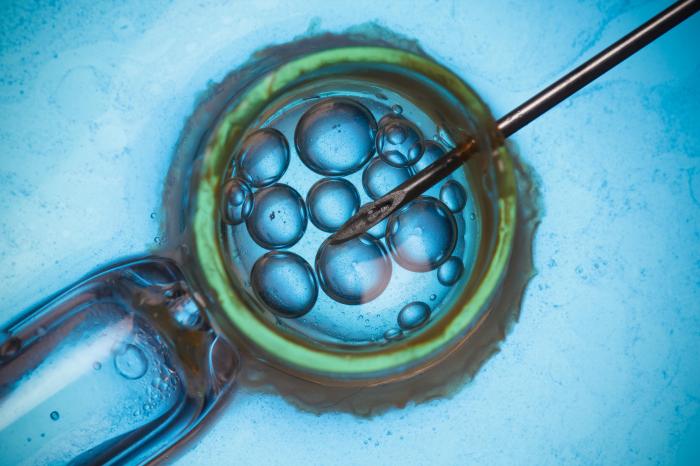
Advances in Fertility Treatments
Advances in fertility treatments – With the continuous advancement in technology, assisted reproductive techniques have seen significant progress in recent years. These innovations have revolutionized the field of fertility treatments, offering new possibilities for individuals struggling with infertility.
Latest Technology in Assisted Reproductive Techniques
One of the latest technologies in assisted reproductive techniques is the use of time-lapse imaging systems. These systems allow embryologists to monitor embryo development without disturbing the embryos, providing valuable information to select the best embryo for transfer, increasing the chances of a successful pregnancy.
Comparison of Traditional Fertility Treatments with Modern Advancements
- Traditional fertility treatments, such as intrauterine insemination (IUI) and in vitro fertilization (IVF), have been enhanced with modern advancements like intracytoplasmic sperm injection (ICSI) and preimplantation genetic testing (PGT). These advancements have improved success rates and reduced the risk of genetic abnormalities in offspring.
- Modern fertility treatments also include techniques like egg freezing and sperm freezing, providing individuals with the option to preserve their fertility for future use.
Impact of Genetic Testing on Fertility Treatment Outcomes
Genetic testing plays a crucial role in fertility treatment outcomes by identifying genetic abnormalities in embryos before implantation. This helps in selecting the healthiest embryos for transfer, reducing the risk of miscarriage and genetic disorders in offspring.
Role of Cryopreservation in Fertility Preservation
Cryopreservation, the process of freezing and storing eggs, sperm, or embryos, has become a vital component of fertility preservation. It allows individuals to preserve their fertility potential before undergoing treatments that may affect their reproductive capacity, such as chemotherapy or radiation therapy.
Stress Management
Stress can have a significant impact on fertility, as it can disrupt hormone levels and interfere with the reproductive system. High levels of stress can lead to irregular menstrual cycles, decreased libido, and even affect sperm quality in men.
Strategies for Reducing Stress During Fertility Treatments
- Practice relaxation techniques such as deep breathing, yoga, or tai chi to help calm the mind and body.
- Engage in regular physical activity like walking or swimming to release endorphins and reduce stress levels.
- Seek support from loved ones or join a support group to share your feelings and experiences during this challenging time.
- Consider therapy or counseling to address any underlying emotional issues that may be contributing to stress.
Mindfulness and Meditation for Stress Management
- Practice mindfulness by staying present in the moment and accepting your thoughts and feelings without judgment.
- Engage in daily meditation to promote relaxation, reduce anxiety, and improve overall well-being.
- Use guided imagery or visualization techniques to create a sense of calm and positivity during fertility treatments.
Importance of Seeking Professional Help for Stress-Related Issues
- Consult a mental health professional or therapist if you are struggling to cope with stress during fertility treatments.
- Consider seeing a fertility counselor who can provide emotional support and help you develop coping strategies.
- Explore alternative therapies such as acupuncture or massage to promote relaxation and reduce stress levels.
Healthy Lifestyle: Advances In Fertility Treatments
Maintaining a healthy lifestyle is crucial when it comes to fertility. Diet, nutrition, exercise, and habits like smoking and alcohol consumption can significantly impact fertility.
Impact of Diet and Nutrition on Fertility
Eating a balanced diet rich in nutrients is essential for reproductive health. Nutrients like folate, iron, and antioxidants play a key role in fertility. A diet high in processed foods, sugar, and unhealthy fats can negatively affect reproductive function.
Tips for Maintaining a Healthy Lifestyle to Improve Fertility
- Include a variety of fruits, vegetables, whole grains, and lean proteins in your diet.
- Stay hydrated and limit caffeine intake.
- Manage stress through relaxation techniques like yoga or meditation.
- Get regular exercise to maintain a healthy weight and improve overall health.
Role of Exercise in Enhancing Fertility
Regular physical activity can help regulate hormones, improve circulation, and reduce stress – all of which can positively impact fertility. However, excessive exercise can also have a negative effect on fertility, so it’s important to find a balance.
Effects of Smoking and Alcohol Consumption on Fertility
Smoking and alcohol consumption can significantly decrease fertility in both men and women. Smoking can damage eggs and sperm, while alcohol can disrupt hormone levels and affect reproductive function.
It’s important to quit smoking and limit alcohol intake when trying to conceive.
Medical Innovations
Medical innovations in fertility treatments have been rapidly evolving, offering new hope to individuals struggling with infertility. From breakthrough research to cutting-edge technologies, the field of fertility care continues to advance at a remarkable pace.
Recent Breakthroughs in Fertility Treatment Research
Research in fertility treatments has led to significant breakthroughs in recent years. Scientists have made progress in understanding the complex mechanisms involved in infertility, paving the way for more effective treatment options. For example, studies on mitochondrial replacement therapy have shown promising results in addressing certain types of infertility issues.
Potential of Artificial Intelligence in Fertility Diagnostics
Artificial intelligence (AI) is revolutionizing fertility diagnostics by analyzing vast amounts of data to identify patterns and predict outcomes. AI algorithms can help in predicting a woman’s chances of conceiving through IVF or natural conception based on various factors like age, hormone levels, and previous fertility treatments. This technology has the potential to personalize fertility care and improve success rates.
Personalized Medicine in Fertility Care
Personalized medicine is transforming fertility care by tailoring treatment plans to individual patients based on their genetic makeup, lifestyle, and medical history. By utilizing genetic testing and other advanced techniques, fertility specialists can optimize treatment strategies for better outcomes. This personalized approach allows for more precise and effective interventions, ultimately increasing the chances of successful conception.
Robotic Surgery in Fertility Procedures
Robotic surgery has become increasingly prominent in fertility procedures, offering higher precision, smaller incisions, and faster recovery times. This innovative technology allows surgeons to perform complex fertility surgeries with enhanced dexterity and control, leading to improved outcomes for patients. Robotic-assisted procedures have revolutionized the field of fertility care, making treatments safer and more efficient.
Nutritional Supplements
When it comes to improving fertility, incorporating essential vitamins and minerals into your diet can play a crucial role in enhancing reproductive health.
Essential Vitamins and Minerals for Improving Fertility
- Vitamin D: Helps regulate hormone levels and improve egg quality.
- Folic Acid: Essential for fetal development and reducing the risk of birth defects.
- Zinc: Supports healthy sperm production and overall reproductive health.
- Iron: Important for maintaining healthy blood levels and supporting fertility.
Benefits of Herbal Supplements in Fertility Treatments
- Herbal supplements like chasteberry and maca root can help regulate menstrual cycles and improve hormonal balance.
- Ginseng and Tribulus terrestris are known to enhance libido and improve reproductive function.
Role of Antioxidants in Boosting Fertility
- Antioxidants like Vitamin C, E, and selenium help reduce oxidative stress, which can negatively impact fertility.
- These antioxidants protect reproductive cells from damage and improve overall fertility health.
Recommendations for Incorporating Supplements into a Fertility Diet
- Consult with a healthcare provider or fertility specialist to determine the right supplements for your individual needs.
- Choose high-quality supplements from reputable brands to ensure effectiveness and safety.
- Integrate supplements into your daily routine by establishing a consistent schedule for consumption.
- Monitor your progress and make adjustments as needed based on your fertility goals and overall health.
Fitness Routine
Regular exercise plays a crucial role in enhancing fertility and overall reproductive health. Creating an ideal fitness routine can help improve fertility outcomes and increase the chances of successful conception.
Impact of Weight Management on Fertility
Maintaining a healthy weight is essential for optimizing fertility. Excess body fat can disrupt hormone levels and menstrual cycles, leading to ovulatory issues. On the other hand, being underweight can also negatively impact fertility by affecting hormone production. Finding a balance through a combination of regular exercise and a nutritious diet is key to achieving a healthy weight for fertility.
Balancing Exercise Intensity during Fertility Treatments
When undergoing fertility treatments, it is important to adjust your exercise routine to avoid putting excessive strain on the body. Opt for low-impact exercises such as walking, swimming, or gentle yoga to reduce stress and support reproductive health. Consult with your healthcare provider to determine the appropriate level of intensity for your fitness routine during fertility treatments.
Benefits of Yoga or Pilates for Fertility Health
Yoga and Pilates are excellent forms of exercise for improving fertility health. These practices help reduce stress, increase circulation to the reproductive organs, and promote relaxation. By incorporating yoga or Pilates into your fitness routine, you can enhance your overall well-being and support your fertility journey.
Health Screenings
Preconception health screenings play a crucial role in identifying any underlying issues that may affect fertility. These screenings are essential for both partners to ensure a healthy start to the journey of conception.
Importance of Preconception Health Screenings
- Health screenings before conception can help identify any medical conditions or lifestyle factors that could impact fertility.
- These screenings can also detect any potential risks that may affect the health of the mother and baby during pregnancy.
- By addressing any health concerns early on, couples can take proactive steps to optimize their chances of conception and have a healthy pregnancy.
Common Fertility-Related Tests and Significance
- Common fertility tests for women include hormone level testing, ovarian reserve testing, and imaging tests like ultrasounds to assess the reproductive organs.
- For men, semen analysis is a key test to evaluate sperm count, motility, and morphology.
- These tests provide valuable insights into the reproductive health of both partners and help determine the best course of action for fertility treatment.
Identifying Underlying Fertility Issues
- Health screenings can uncover underlying conditions such as polycystic ovary syndrome (PCOS), endometriosis, or hormonal imbalances that may affect fertility.
- Identifying these issues early on allows for targeted treatment strategies to improve fertility outcomes.
- Health screenings can also help rule out any potential obstacles to conception, ensuring a smoother path to pregnancy.
Fertility Assessments for Both Partners, Advances in fertility treatments
- Both partners should undergo fertility assessments to evaluate their reproductive health and identify any potential concerns.
- These assessments may include blood tests, imaging studies, and physical exams to assess overall health and fertility potential.
- Understanding the fertility status of both partners is essential in developing a personalized treatment plan to address any fertility challenges they may face.
Disease Prevention

Fertility health can be affected by various diseases, which can hinder the ability to conceive. Preventive measures are crucial to protect fertility health and improve outcomes. Managing chronic conditions effectively can also play a significant role in enhancing fertility. Additionally, vaccinations are essential in preventing infections that can impact fertility.
Diseases Affecting Fertility
- Sexually transmitted infections (STIs) such as Chlamydia and Gonorrhea can lead to infertility if left untreated.
- Endometriosis, a condition where tissue similar to the lining of the uterus grows outside the uterus, can cause fertility issues.
- Polycystic ovary syndrome (PCOS) can disrupt ovulation and affect fertility.
Preventive Measures for Fertility Health
- Practice safe sex to reduce the risk of STIs that can impact fertility.
- Maintain a healthy weight through diet and exercise to manage conditions like PCOS and improve fertility outcomes.
- Seek early treatment for conditions such as endometriosis to prevent complications that may affect fertility.
Managing Chronic Conditions for Improved Fertility
- Regularly monitor and manage conditions like diabetes and hypertension to minimize their impact on fertility.
- Consult with healthcare providers to develop a treatment plan that addresses both the chronic condition and fertility goals.
- Adopt a healthy lifestyle that includes regular exercise and a balanced diet to support overall health and fertility.
Vaccinations for Preventing Infections Affecting Fertility
- Ensure that vaccinations for diseases such as HPV and Rubella are up to date to prevent infections that can affect fertility.
- Discuss with healthcare providers about recommended vaccinations based on individual health history and fertility goals.
- Stay informed about new vaccination developments that may impact fertility health and discuss them with healthcare providers.
Sleep Hygiene
Sleep plays a crucial role in overall health and well-being, including fertility. Quality sleep is essential for reproductive health, hormone regulation, and overall stress management during fertility treatments.
Link between Sleep Quality and Fertility
Poor sleep quality can disrupt hormonal balance, leading to irregular menstrual cycles, decreased ovulation, and reduced sperm quality. Adequate rest is essential for the body to repair tissues, regulate hormones, and maintain a healthy reproductive system.
Tips for Improving Sleep Hygiene during Fertility Treatments
- Avoid caffeine and heavy meals close to bedtime.
- Create a relaxing bedtime routine to signal to your body that it’s time to sleep.
- Keep your bedroom dark, cool, and quiet to promote restful sleep.
- Avoid screens and electronic devices before bed to reduce exposure to blue light that can disrupt sleep patterns.
Impact of Sleep Disorders on Reproductive Health
Sleep disorders such as insomnia, sleep apnea, and restless leg syndrome can negatively impact fertility by disrupting hormone production, ovulation, and sperm quality. Seeking treatment for sleep disorders is crucial for optimizing reproductive health.
Benefits of a Consistent Sleep Schedule for Fertility
- Regulates hormone production essential for fertility.
- Improves overall mental and emotional well-being during fertility treatments.
- Enhances immune function and overall health, supporting reproductive processes.
Mental Clarity
Maintaining mental well-being is crucial during fertility treatments as stress and emotional challenges can impact the overall success of the procedures. It is essential to focus on strategies that promote emotional balance and a positive mindset throughout the fertility journey.
Importance of Mental Well-being
- Emotional well-being can influence hormone levels and reproductive functions, affecting fertility outcomes.
- Stress management techniques can help reduce anxiety and improve the body’s response to fertility treatments.
- Mental clarity can enhance decision-making abilities and increase resilience during challenges in the fertility journey.
Strategies for Emotional Balance
- Practice mindfulness and relaxation techniques such as meditation or deep breathing exercises.
- Engage in hobbies or activities that bring joy and distract from fertility-related stress.
- Seek support from loved ones, support groups, or mental health professionals to express emotions and receive guidance.
Benefits of Therapy or Counseling
- Therapy can provide a safe space to explore emotions, fears, and concerns related to fertility treatments.
- Counseling can offer coping strategies, communication skills, and tools to manage stress effectively.
- Professional guidance can improve mental health outcomes and overall well-being during the fertility journey.
Tips for Cultivating a Positive Mindset
- Acknowledge and accept your emotions without judgment, allowing yourself to feel and process them.
- Focus on gratitude and positive affirmations to shift your perspective towards hope and optimism.
- Avoid comparing your fertility journey to others and practice self-compassion and kindness towards yourself.
Hydration Importance
Proper hydration plays a crucial role in optimizing fertility and reproductive health. Dehydration can have a significant impact on reproductive functions, affecting hormone levels and the overall health of the reproductive system.
Fluid Choices and Fertility Health
Staying adequately hydrated is essential for fertility. Different fluids can have varying effects on fertility health:
- Water: The best choice for hydration, as it helps regulate body temperature, aids in nutrient absorption, and supports overall bodily functions.
- Herbal Teas: Certain herbal teas like green tea or red raspberry leaf tea can provide additional benefits for reproductive health.
- Fruit Juices: While natural fruit juices can contribute to hydration, it’s important to consume them in moderation due to their sugar content.
Recommendations for Hydration
It is recommended to drink at least 8-10 glasses of water per day to stay adequately hydrated for optimal fertility. Additionally, monitoring urine color can be a simple way to check hydration levels – clear or light-colored urine indicates proper hydration.
Essential FAQs
How do modern advancements in fertility treatments differ from traditional methods?
Modern advancements in fertility treatments utilize cutting-edge technology and personalized approaches, offering higher success rates and fewer risks compared to traditional methods.
What role does cryopreservation play in fertility preservation?
Cryopreservation allows individuals to preserve their fertility by freezing eggs, embryos, or sperm for future use, providing options for fertility preservation in cases of medical treatments or personal choice.
Are there any potential side effects of genetic testing in fertility treatments?
Genetic testing in fertility treatments may uncover genetic abnormalities that could impact treatment outcomes, leading to difficult decisions regarding the viability of embryos and potential emotional challenges for individuals undergoing the process.
How can individuals incorporate nutritional supplements into their fertility diet?
Individuals can incorporate essential vitamins, minerals, and antioxidants into their fertility diet through supplements, ensuring they meet their nutritional needs for optimal reproductive health.
What are the benefits of yoga or Pilates for fertility health?
Yoga and Pilates offer benefits for fertility health by reducing stress, improving circulation, and promoting overall well-being, making them valuable additions to a fertility-focused fitness routine.